The Liberia National Arms Commission, in collaboration with the United Nations Office on Disarmament Affairs (UNODA) and with support from the United States of America, the United Kingdom, and Canada, has launched a two-day workshop on biological weapons to strengthen the country’s capacity to prevent and respond to bio-terrorism.
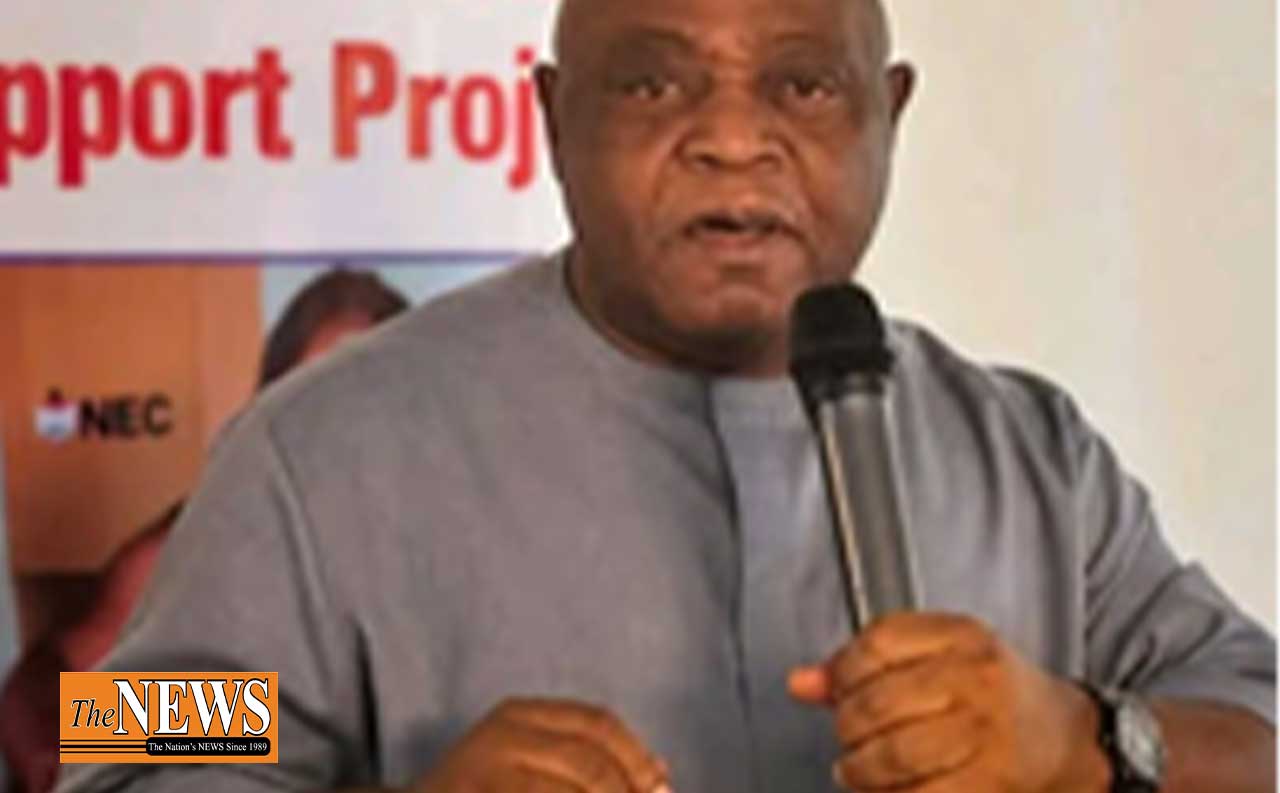
Speaking at the opening of the workshop in Monrovia on Tuesday, April 28, 2026, Arms Commission Chairman James Fromayan said the workshop is a reflection of a shared commitment to safeguarding the nation, the region, and humanity from the grave threats that biological and chemical weapons pose to Liberia and the international community.
He noted that Liberia, as a state party to the convention in 1972 and having ratified its instrument in 2016, recognizes the risks associated with the misuse of biological agents and toxic chemicals are not distant or abstract; they are real, evolving, and demand vigilance, preparedness, and cooperation from countries to educate, coordinate, and strengthen national capacity to prevent the proliferation and misuse of dangerous materials.
He called on participants to see the training as a key step in a direction that brings together stakeholders from diverse sections of the security agencies, academia, and civil society to learn about the negative impact and craft a solution.
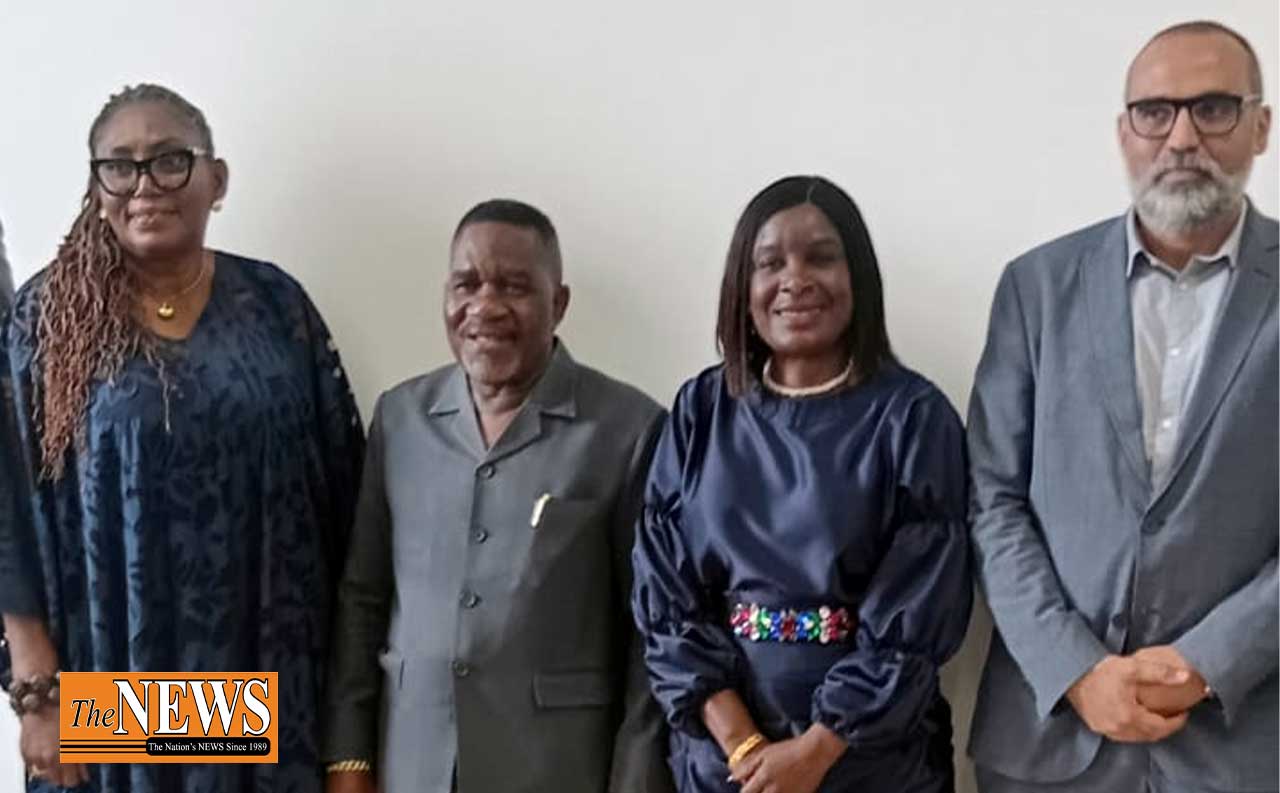
Meanwhile, the United Nations Office for Disarmament Affairs Africa legal officer, James Prett, said the United Nations Office for Disarmament Affairs Africa has dealt with diverse biosecurity challenges, not only developing world-leading expertise in responding to biological incidents, but has made tremendous progress towards comprehensive national implementation of the BWC over the years.
“This includes marked increases in the number of states adopting national biosecurity initiatives and preparing legislative and regulatory frameworks, designating national contact points, and submitting confidence-building measure reports. Note that the Biological Weapons Convention is a fundamental pillar of global peace and security architecture,” he added.
“It is a cornerstone of international disarmament and puts pressure on multilateral non-proliferation and disarmament regimes, as well as challenges certain international norms and standards, which are used only for peaceful purposes. This contributes to strengthening states’ scientific and technological capacities and supports preparedness, risk reduction, and management,” he noted.
He disclosed that over the course of the next two days, they will discuss state party rights and obligations under the Convention.
Speaking on behalf of the Minister of Justice, the Deputy Minister for Administration, Cora Hare-Konuwa, welcomed participants to the two-day stakeholder engagement on the implementation of the Biological Weapons Convention (BWC).
She described the event as important, geared toward strengthening international peace, security, and public safety.
According to her, on November 4, 2016, Liberia ratified the Biological Weapons Convention, thereby affirming the nation’s commitment to the global prohibition of biological weapons. She emphasized that the ratification is not merely a legal act but a moral declaration that Liberia stands firmly against the misuse of science and technology for destructive purposes.
“The Biological Weapons Convention, as you know, is a cornerstone of international disarmament architecture. It embodies humanity’s collective resolve to ensure that advances in biology and biotechnology serve only peaceful, life-enhancing ends,” she added.
The workshop, convened by the Arms Commission in collaboration with UNODA, brought together thirty-five participants from across government’s ministries, agencies, and commissions. It was held to strengthen Liberia’s national capacity for implementing the BWC, to foster inter-agency coordination and cooperation, identify gaps and propose practical measures for compliance, monitoring, and enforcement.