Liberia has joined two other African members of the United Nations Security Council in demanding an immediate halt to escalating hostilities in Yemen, warning that continued fighting around the strategic Bab el-Mandeb Strait threatens international shipping, food security and already vulnerable African economies.
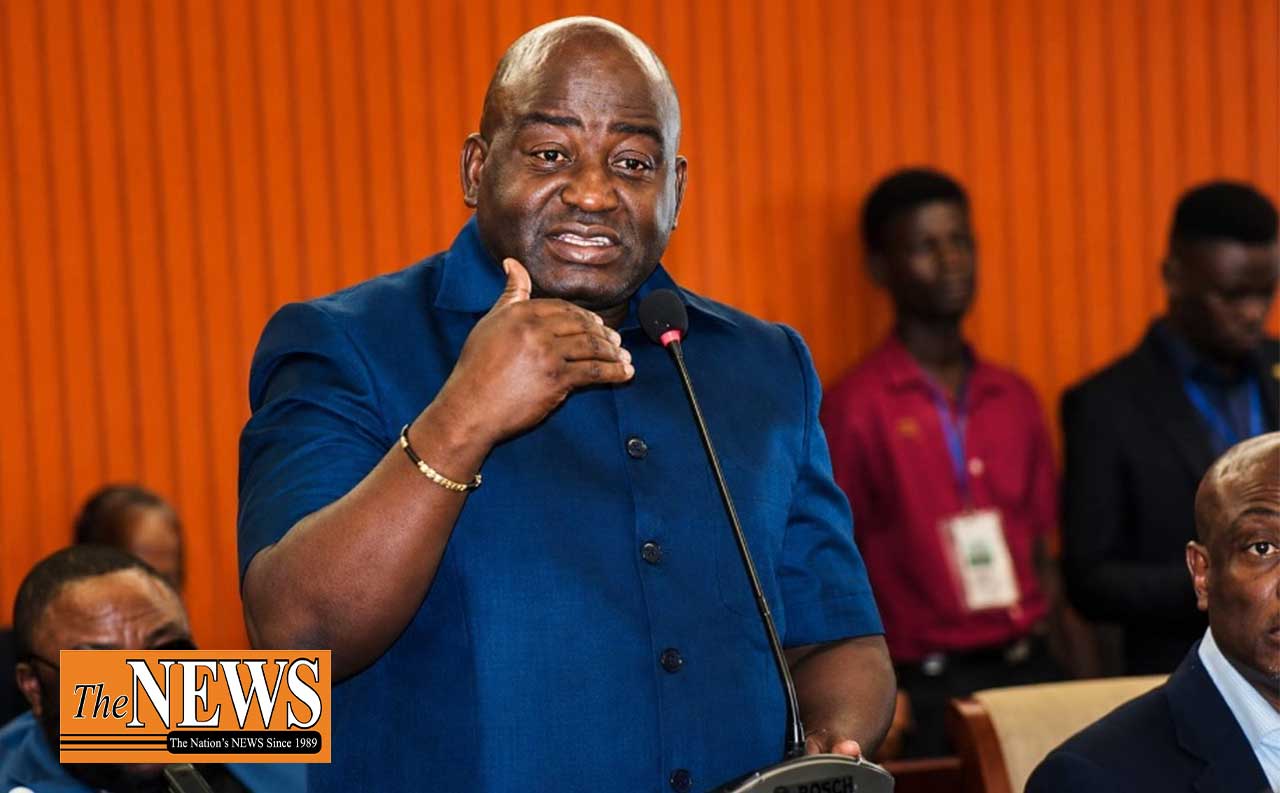
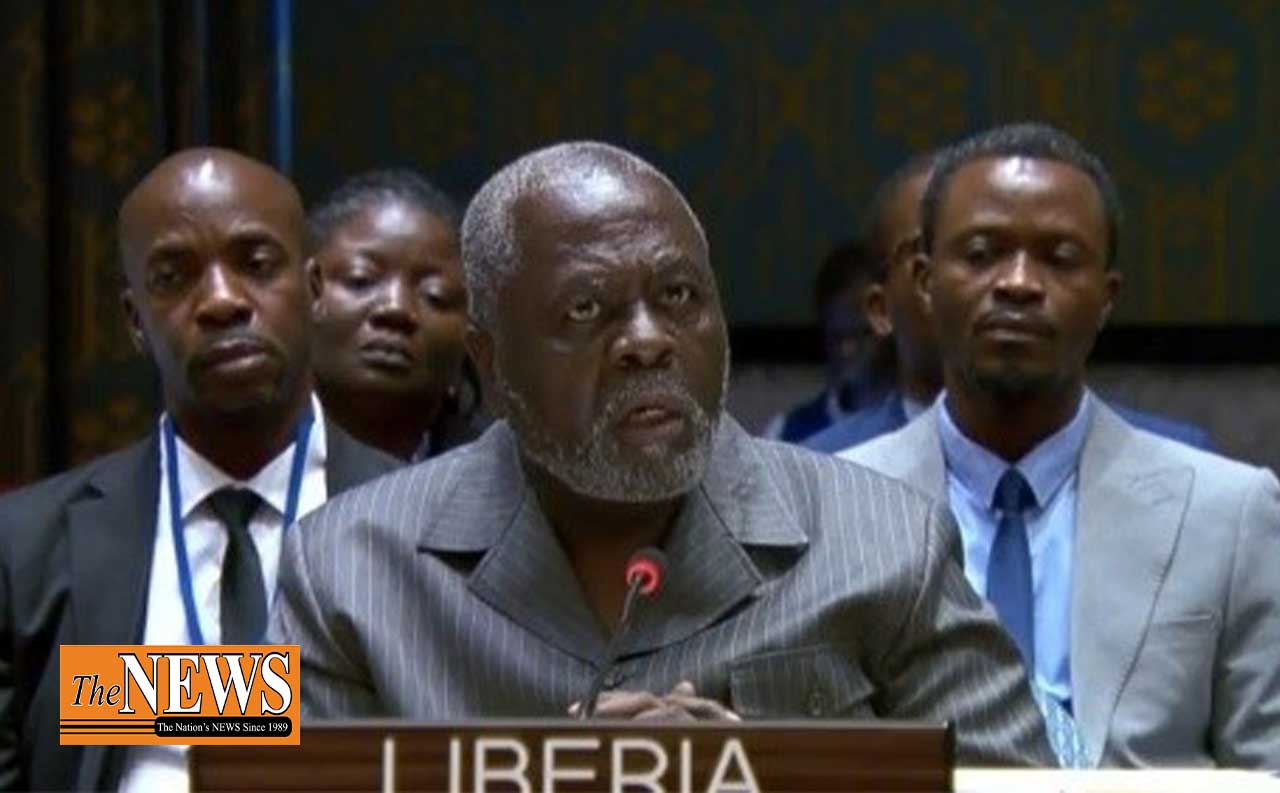
Liberia’s Permanent Representative to the United Nations, Ambassador Lewis G. Brown II, delivered the position on behalf of the African Three, or A3, Liberia, the Democratic Republic of the Congo and Somalia, during a Security Council meeting on Yemen on Tuesday, September 15, 2026. The UN record confirms that Brown spoke for the three African members during the emergency session.
The A3 raised concern over intensified fighting along Yemen’s western coast and developments around strategically important locations near the Bab el-Mandeb Strait, one of the world’s critical maritime corridors.
The UN also reported that fighting had intensified along Yemen’s west coast as the Houthis advanced toward the Bab el-Mandeb, reportedly capturing several islands in the southern Red Sea. UN Assistant Secretary-General Khaled Khiari warned that the situation around the strait had become increasingly volatile.
Speaking, Brown said the African members were concerned that further military escalation could deepen mistrust, complicate efforts to restart an inclusive political process and pose wider risks to regional security and international navigation. The A3 stressed that there is no military solution to Yemen’s prolonged conflict and reaffirmed support for the country’s sovereignty, unity, independence and territorial integrity.
It called for restraint by the parties and urged the preservation of diplomatic space for an inclusive, Yemeni-led and Yemeni-owned political process under the auspices of the United Nations. For Africa, the group said, instability around the Red Sea and Bab el-Mandeb is not a distant crisis because the waterways connect African economies to international trade and critical supplies.
Disruptions to commercial shipping, it warned, can increase freight and insurance costs and ultimately raise the prices of essential imports, including food, fuel and fertilizer, placing additional pressure on developing economies.
The African representatives also demanded protection for merchant vessels, civilian seafarers and international maritime routes, while emphasizing that freedom of navigation must be respected in accordance with international law.
Beyond the security implications, the A3 sounded the alarm over Yemen’s worsening humanitarian crisis, stressing the need to protect civilians, hospitals, ports, water systems and other civilian infrastructure from the consequences of renewed hostilities.
The group further demanded the immediate, safe and unconditional release of United Nations personnel, humanitarian workers and civil society staff arbitrarily detained in Yemen, insisting that humanitarian access must not be obstructed or used as leverage in the conflict. It also pushed for confidence-building measures, including reopening critical transit routes, ensuring nationwide payment of public-sector salaries and establishing a permanent nationwide ceasefire that could provide a foundation for renewed UN-led negotiations.
Brown warned that repeated expressions of international concern without concrete progress would do little to end the crisis. “The international community cannot remain trapped in a cycle of concern without consequence and condemnation without change,” the A3 statement declared.
Closing the intervention, Liberia and its African partners urged the Security Council to demonstrate unity and political resolve to prevent the fighting from developing into a wider regional catastrophe. “The choice before this Council is clear: we can either invest the political will required for peace today, or pay the compounded price of a wider catastrophe tomorrow,” Brown said, calling for a future of peace and dignity for the Yemeni people.