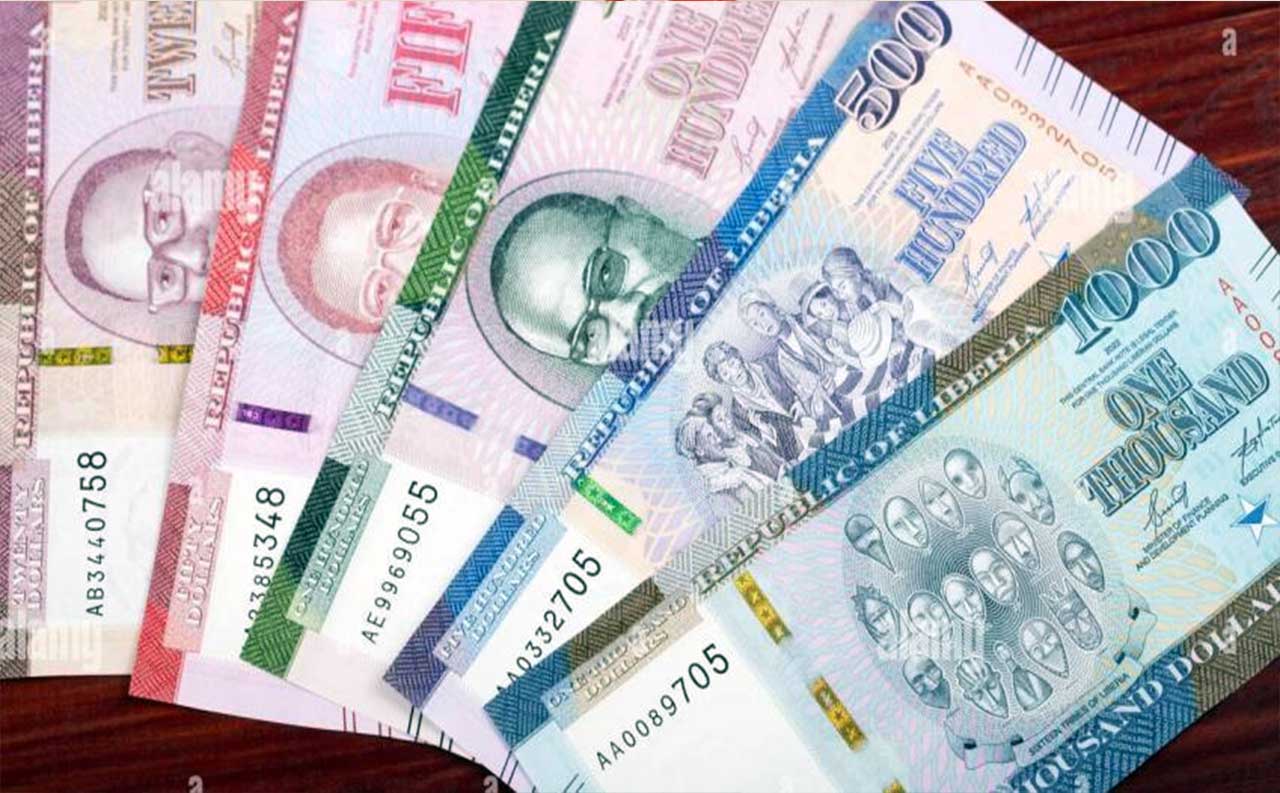
Amid public debates over the Central Bank of Liberia’s (CBL) proposal to print L$79 billion in additional banknotes based on past currency controversies and growing concerns about inflation and economic stability, this publication has taken a closer examination of the proposal.
The proposal suggests that the initiative is less about expanding money supply indiscriminately but more about addressing structural pressures within Liberia’s cash-dependent economy.
The proposed amount, according to the document, does not represent a one-time injection of liquidity into the economy, as popular perception suggests. Instead, it reflects a projected requirement over a five-year period from 2026 to 2030, calibrated against expected economic growth, inflation trends, and the operational needs of the financial system.
“Liberia’s economy remains heavily reliant on physical cash, particularly in rural areas and informal markets where digital financial services have yet to achieve full penetration. Over time, currency in circulation has expanded significantly, indicating a steady rise in transaction demand. At the same time, the stock of available banknotes in the CBL’s vaults has declined to relatively low levels, raising legitimate concerns about liquidity adequacy,” the document noted.
In such a context, the risk of a cash shortage is not theoretical. Cash-dependent economies have experienced transaction bottlenecks when currency supply fails to keep pace with demand. This makes CBL’s proposal a preemptive attempt to avoid such disruptions, particularly given the long lead time, often exceeding a one-year period, required to print and deliver new banknotes.
Enhancing Banknote Quality
Another critical dimension highlighted is the issue of currency quality. The document estimates that approximately seven percent of banknotes become mutilated each year, a rate that is not unusual in cash-intensive economies but significant. Over time, this leads to a deterioration in the usability of currency, complicating transactions and increasing the cost of currency management.
The printing intends to replace these notes, suggesting that much of the initiative is aimed at maintaining, rather than expanding, the effective money supply. It incorporates a strategic element tied to reserve management. Through the CBL’s gold purchasing program, Liberian dollars will be used to acquire gold, which is then held as part of the country’s international reserves. Experts say that in principle, such operations can strengthen reserve buffers and enhance confidence in the domestic currency, provided they are conducted within a disciplined monetary framework. The emphasis on sterilization and asset backing in the proposal indicates an awareness of the inflationary risks typically associated with monetary expansion.
Nevertheless, these explanations may not totally eliminate public skepticism as the country still recovers from its past- the widely debated “missing billions” narrative which has left a legacy of mistrust around currency-related policies.
With this narrative still lurking, many knowledgeable persons in the field of economics would suggest that even economically sound interventions can be misinterpreted if communication is insufficient or poorly timed. This underscores the importance of transparency and sustained engagement with both the public and the media.
The proposal explicitly states that the planned printing is not intended to fund government expenditure, a critical distinction in assessing its potential macroeconomic impact. The CBL has consistently highlighted its adherence to separating its monetary policy decisions from fiscal activities, reducing risks that the printing of additional banknotes will translate into unchecked inflation.
The proposal reveals that most of the banknotes to be produced will replicate existing denominations already in circulation, with only a potential addition of a higher denomination (L$2000) subject to future approval, suggesting continuity rather than a structural overhaul of the currency system.
The L$79 billion proposal reflects a balancing act common to many central banks in developing economies: ensuring sufficient liquidity to support economic activity while maintaining price stability and public confidence. The risks of inaction, particularly the possibility of cash shortages and declining currency quality, appear to weigh heavily in the Bank’s assessment.
Whether the proposal succeeds will depend not only on its technical design but also on execution by the CBL, as the document calls for lawmakers to reflect on the key rationale presented.