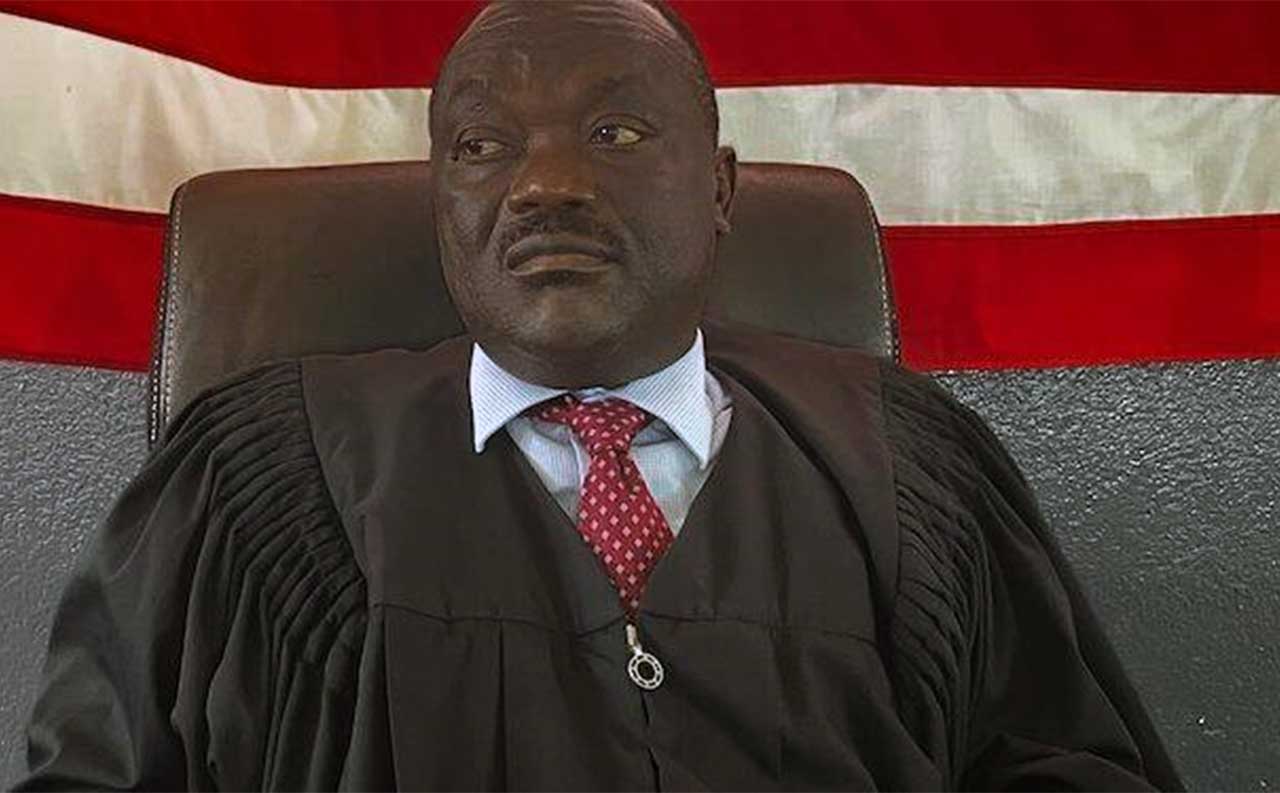
The Presiding Judge of Criminal Court “C” at the Temple of Justice has launched a formal investigation into alleged jury misconduct in the high-profile US$6.2 million economic sabotage case involving former Finance and Development Planning Minister Samuel D. Tweah Jr. and several former government officials.
The probe follows reports that some empaneled jurors may have engaged in improper communication with individuals believed to be linked to the defendants during the jury’s deliberations. If confirmed, the allegations could seriously undermine the integrity of the trial and influence the outcome of the defense’s pending motion for a new trial. Judge Ousman F. Feika has ordered all jurors, alternates, and relevant court officers to appear before the court on May 20 to respond to questions surrounding the alleged misconduct. According to court sources, the judge seeks to determine whether any juror violated provisions of the Criminal Procedure Law governing the confidentiality and independence of jury deliberations. While the inquiry is underway, further arguments on the defense’s request for a new trial have been put on hold.
Legal analysts say the suspension reflects the gravity of the allegations and the court’s responsibility to safeguard due process. The ongoing trial stems from accusations that former Minister Tweah and several ex-officials made financial decisions that resulted in the mismanagement or unexplained loss of US$6.2 million in public funds. Prosecutors charged the defendants with multiple economic and financial crimes, including Economic Sabotage, Misapplication of Public Money, Theft of Property, Criminal Conspiracy and Money Laundering.
The defendants, however, maintain their innocence, arguing that all expenditures were authorized and executed within legal and administrative procedures. The case has drawn national attention due to the profile of the officials involved and the magnitude of the alleged losses. The allegations of jury tampering come at a critical moment in a trial that has already held public interest for months. Civil society organizations, anti-corruption groups, and legal commentators have intensified calls for transparency, urging the judiciary to ensure that jurors are shielded from improper external influence.
Court proceedings are expected to resume after the May 20 inquiry, when Judge Feika will determine whether the claims of misconduct carry merit. Depending on the findings, the court may invalidate the jury’s deliberations, uphold the defense’s push for a new trial, or issue sanctions against any individuals involved in wrongdoing. The trial lasted for more than 60 days, with a 12-member jury returning a highly anticipated verdict on May 8, 2026, acquitting two defendants Samuel D. Tweah Jr. and Moses P. Cooper while convicting three others on select charges.
The mixed verdict followed weeks of arguments, cross-examinations, and intense national debate surrounding one of Liberia’s most closely watched corruption trials. Despite all five defendants being jointly charged under a single indictment, the jury delivered split decisions some defendants were cleared entirely, others convicted, and several counts resulted in hung verdicts where the jury was unable to reach the threshold required for a unanimous decision.
As the misconduct investigation proceeds, uncertainty hangs over the next phase of the case. Any verified breach of jury protocol could shift the trajectory of the trial and reignite legal battles over its outcome. For now, public attention remains fixed on Criminal Court “C” as Liberia continues to confront corruption cases that challenge both the justice system and the nation’s confidence in public accountability.