War victims, survivors and families affected by Liberia’s civil conflicts are expected to take center stage in the establishment of a proposed national Peace, Reconciliation and Memorial Museum, as the government moves to preserve the country’s painful history and strengthen efforts toward lasting national healing.
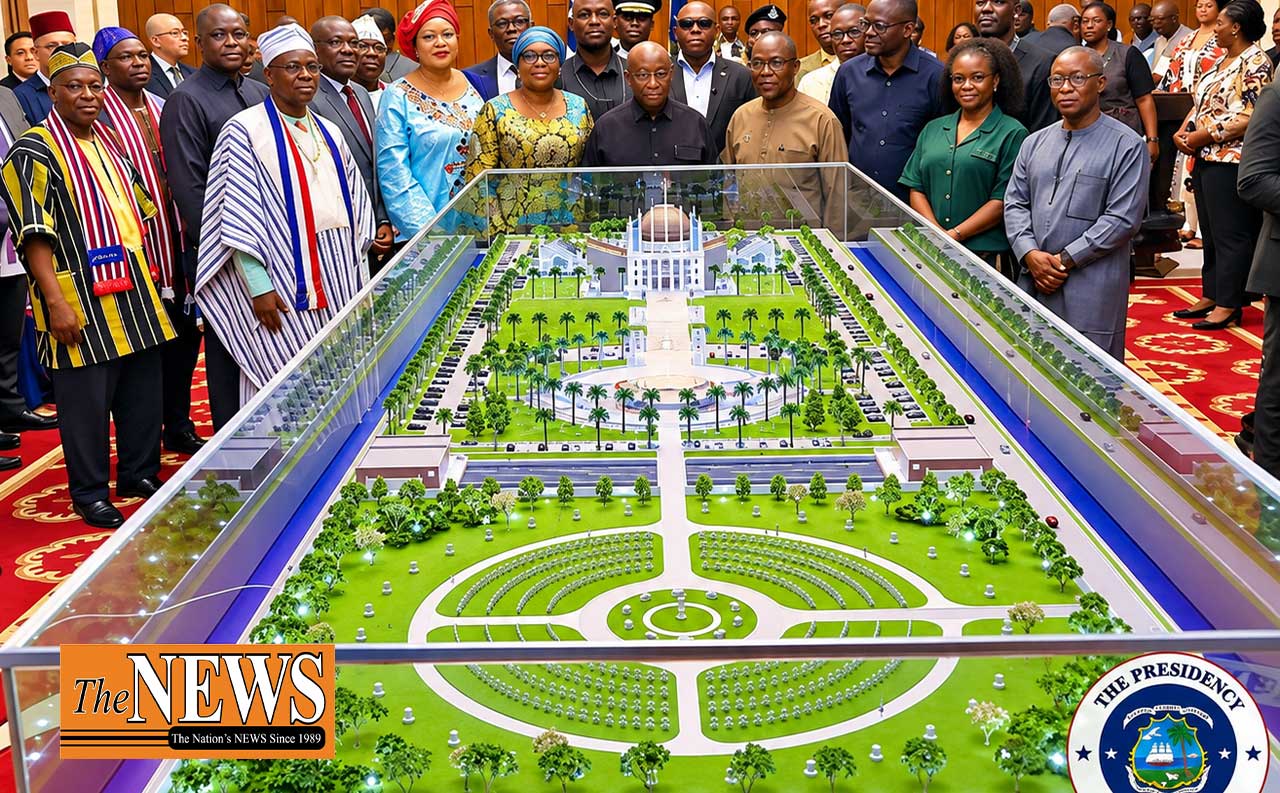
The initiative, spearheaded by President Joseph N. Boakai, seeks to establish a world-class museum within three years, providing a permanent institution where victims will be honored, survivors’ experiences documented, and future generations educated about the devastating consequences of war.
Also, the commitment was highlighted during the inaugural meeting of the National Steering Committee for the Liberia Peace, Reconciliation and Memorial Museum, held at the Executive Pavilion in Monrovia, with the participation of senior government officials, members of the diplomatic corps, international organizations, traditional and religious leaders, civil society representatives, victims, survivors and delegations from Rwanda and South Africa.
Speaking Tuesday, November 16, 2026, at the opening ceremony, Liberia’s Minister of State Without Portfolio, Haja Mamaka Bility, who chairs the steering committee, described the proposed museum as more than a physical structure, saying it represents Liberia’s determination to confront its past and build a future grounded in unity, dignity and shared national identity.
Minister Bility disclosed that President Boakai, UNDP Resident Representative Ambassador Aliou Mamadou Dia and herself signed the project charter on Friday, November 13, 2026, establishing the foundation for the implementation of the initiative.
She explained that the three-day inaugural engagement would focus on reviewing the project charter, implementation plan and budget, while outlining the responsibilities of five technical working groups tasked with advancing the project. According to her, financing for the initial 90 days will provide the basis for costing the technical, operational and logistical activities required to move the initiative forward.
“We are building not just a structure but a shrine that embodies our true aspirations and resilience as Africans, emphasizing the importance of creating an institution that reflects Liberia’s historical experiences and national aspirations,” Minister Bility said.
However, she noted that the museum emerged from President Boakai’s National Historical Recovery Initiative, launched in Buchanan on July 26, 2026, which called for Liberians at home and abroad to acknowledge their history as a foundation for building a united, prosperous and dignified nation.
The Minister Without Portfolio also recognized the contributions of delegations from Rwanda and South Africa, whose experiences in memorialization, reconciliation and post-conflict recovery are expected to provide valuable lessons for Liberia.
She stressed that the museum must belong to every Liberian, particularly victims, survivors, families and communities whose experiences must be reflected in the country’s collective history.
“A museum is not built in three days, but the commitment is made in a moment, and this is that moment,” she declared, calling on members of the steering committee to use the three-day engagement to make concrete decisions that will advance the project.
Also speaking, UNDP Resident Representative and Co-Chairperson of the National Steering Committee, Ambassador Dia, said Liberia’s journey toward lasting peace cannot be complete without acknowledging the experiences of victims, protecting the dignity of survivors and preserving historical lessons for future generations.
He described the proposed museum as an opportunity to give Liberia’s painful history a permanent home, stressing that it must become a living national institution rather than simply a building containing historical artifacts.
The UNDP representative said the museum should provide a platform that honors and hears survivors, where young people learn, and future generations understand both the cost of conflict and their responsibility to protect peace.
“Their stories and perspectives must not be peripheral to the process. They must help shape its very foundation,” Ambassador Dia emphasized, underscoring the importance of meaningful participation by victims, survivors, families, women, young people, historians, educators and local communities.
He further referenced the experiences of Rwanda and South Africa, noting that both countries offer important lessons in preserving historical memory, confronting painful national histories, promoting truth-telling and strengthening reconciliation.
According to him, Rwanda’s experience demonstrates the importance of honoring victims and educating future generations about the consequences of hatred and division, while South Africa’s transition from apartheid to democracy provides lessons in national dialogue, institutional transformation and reconciliation.
However, Ambassador Dia stressed that Liberia’s museum must remain firmly rooted in the country’s own history, culture and national aspirations, even as it draws lessons from other African nations.
He reaffirmed UNDP’s commitment to supporting the Liberian Government in developing a nationally owned, inclusive, transparent and sustainable institution, while calling for continued cooperation among government, development partners, civil society and the private sector.
The proposed museum is expected to serve as a national center for remembrance, historical education and reconciliation, ensuring that the experiences of Liberia’s civil conflicts are preserved and that the voices of those directly affected are not forgotten.
Ultimately, the proposed institution is expected to help ensure that Liberia’s painful history becomes a lesson for future generations and that the promise of lasting peace is carried beyond the present generation.