Liberia’s tax sector is entering a new era as the newly established Liberian Institute of Tax Practitioners (LITP) has finalized the validation and alignment of its bylaws, setting the stage for the full rollout of operations aimed at regulating and professionalizing tax practice across the country.
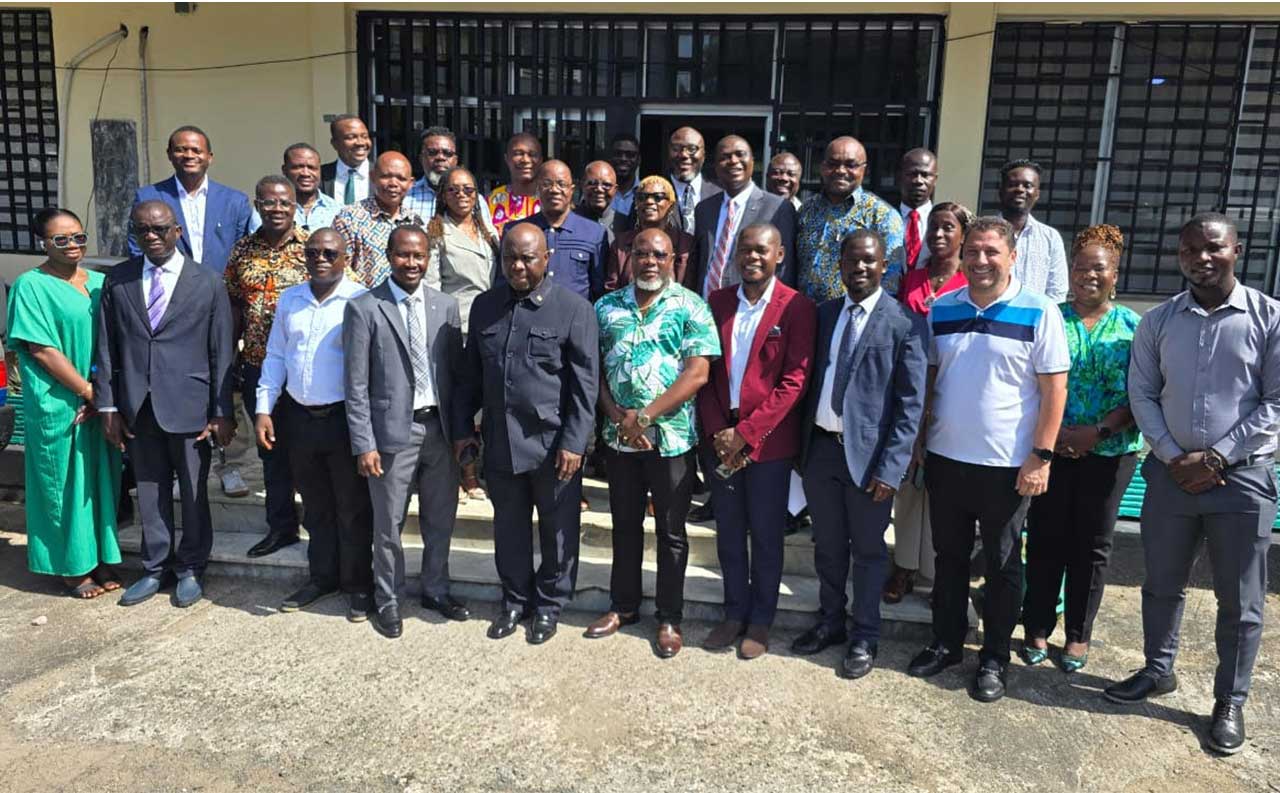
The major breakthrough came recently, when veteran tax professionals, financial experts and legal practitioners concluded a one-day validation exercise to ensure the institute’s bylaws are fully aligned with the Act that officially established the body in April this year.
Created by law to strengthen tax administration and elevate professional standards, the LITP now stands as Liberia’s official regulatory institution responsible for the training, licensing and oversight of tax practitioners nationwide. Speaking during the exercise, LITP Acting Vice President, Arthur Fumbah, described the validation process as a crucial milestone in positioning the institute for effective national operations.
“This exercise is very important because the institute is the legal regulatory body charged with implementing, overseeing training and licensing tax practitioners in Liberia,” Fumbah said. He disclosed that the institute is now transitioning toward its first elections, expected in September, while also preparing to host a delegation from the West Africa Union of Tax Institutes for possible regional collaboration and partnership.
According to Fumbah, the anticipated partnership could help standardize tax practices in Liberia, improve compliance and strengthen the country’s domestic revenue generation efforts.
“We are moving rapidly because we are preparing for the visitation from the West Africa Union of Tax Institutes, and the results from this exercise will be submitted to our governing council,” he noted.
Fumbah praised the support from legal experts who participated in the exercise and pledged continued collaboration to ensure the institute develops a strong operational framework.
He also called on tax practitioners across Liberia to actively participate in the institute’s upcoming elections and membership enrollment process, stressing that the success of the institution will depend on collective commitment from professionals in the sector.
The Acting Vice President further revealed that the Government of Liberia has assured the institute of its full political support as the body begins operations and expands into the country’s fifteen counties.
“Government expects a lot from this institution. We have the opportunity to build one of the strongest professional bodies in Liberia if we remain committed and work hard for our people,” Fumbah emphasized.
The establishment of the Liberian Institute of Tax Practitioners is being viewed by many experts as a major step toward improving accountability, tax compliance and professional integrity within Liberia’s revenue and financial governance system.