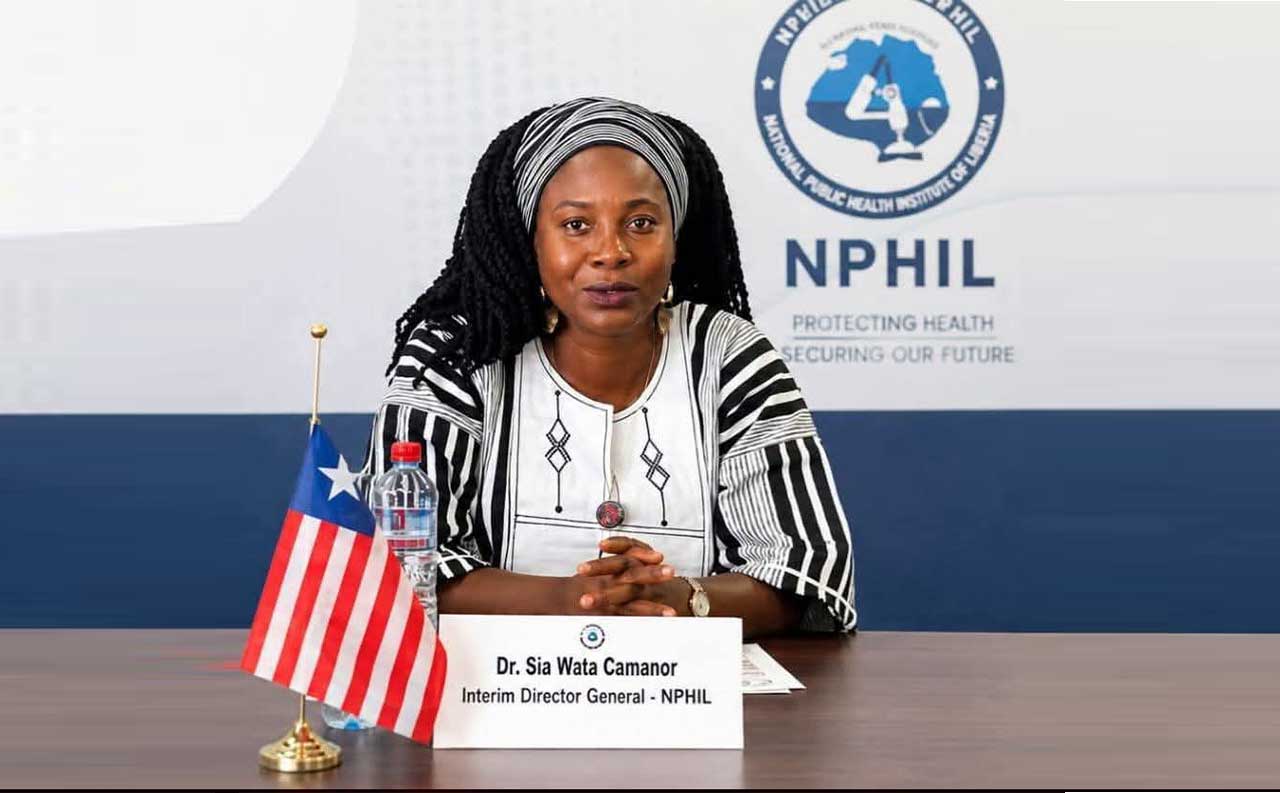
Following the confirmation of an Ebola case in Nigeria and the ongoing Bundibugyo Ebola outbreak, Liberia directs all health facilities, border entry points, public buildings, and other institutions to strengthen screening and strictly enforce Infection Prevention and Control (PC) protocols with immediate effect.
Nigeria confirmed a case of Ebola in a female patient who travelled from Uganda in East Africa to Abuja, the capital of the West African state. The patient, who health sources have told the BBC is not Nigerian and is the wife of a diplomat, is in isolation and receiving medical care after being admitted to a hospital in Abuja.
She developed symptoms on Wednesday 7 October, four days after arriving in the country, according to the World Health Organization (WHO). Health authorities have begun contact-tracing to prevent further spread, with 44 close contacts of the woman identified.
Following this latest news, the Liberian health authorities have moved swiftly to prescribe protocols, including:
- Functional handwashing stations with soap and water or appropriate hand sanitizers at entrances.
- Screening for symptoms and relevant travel or exposure history, following national guidance. Temperature checks alone are insufficient.
- Strict compliance with hand hygiene, appropriate protective equipment, environmental cleaning, and safe waste disposal.
- Adequate IPC supplies and refresher training for frontline personnel.
- Immediate separation and reporting of suspected cases to the County Health Teams and NPHIL, with safe referral through designated channels.
Facility heads, county health authorities, border officials, and institutional managers must ensure implementation and promptly report gaps requiring support. The Ministry of Health has encouraged the public to remain vigilant, adhere to recommended preventive measures, and cooperate fully with health authorities in protecting our communities. Official communication channels will continue to share timely and accurate updates.
Ebola is a rare but deadly disease caused by a virus. As the disease progresses, vomiting and diarrhoea develop and it can lead to organ failure. Some, but not all, patients develop internal and external bleeding. The disease spreads from one person to another by contact with infected bodily fluids such as blood or vomit.