The Ministry of Gender, Children and Social Protection, with support from the United Nations Children’s Fund (UNICEF), has completed the reunification of 100 children removed from orphanage homes across Montserrado County under the pilot phase of the Liberia Care Support Scheme (LCSS).
The intervention forms part of the Government of Liberia’s broader efforts to strengthen child protection, promote family-based care, and ensure that children living in unsafe or unsuitable institutional settings are reintegrated into safe, supportive, and nurturing family environments.
Implemented through the LCSS pilot, the initiative targets orphanage homes that fail to provide safe and appropriate care for children, while prioritizing the best interests, protection, and long-term well-being of affected children through family tracing, caregiver assessment, reunification, and post-placement monitoring.
As part of the process, the Ministry’s social workers and supervisors conducted family tracing, case reviews, and placement assessments to identify and verify eligible parents, caregivers, and family members capable of providing appropriate care. Following these assessments, all 100 targeted children were successfully reunified with their families or caregivers across Montserrado County.
Prior to reunification, the Ministry conducted a parental coaching and skills training exercise to prepare families and caregivers to receive, care for, and support their children. The training focused on strengthening caregiving capacities and equipping participants with practical knowledge and skills to promote children’s safety, development, and overall well-being following their return home.
The first phase of the training engaged 26 parents and caregivers and was followed by the successful reunification of 49 children with their families. The second phase brought together an additional 27 parents and caregivers, bringing the total number trained to 53.
Following the second phase, the remaining 51 children were reunified, bringing the total number of children reunified under the pilot to 100.
In addition to reunification and parental capacity-building, the Ministry, with support from UNICEF, provided conditional cash transfer assistance to eligible families and caregivers following confirmation of completed reunification. Under the pilot arrangement, each of the 100 children was eligible for a one-time support package of US$200, intended to help families meet some of the immediate needs associated with receiving and caring for their children.
The financial assistance complements the broader reunification process by helping vulnerable households address essential needs as children transition from institutional settings back into family and community life. Social workers also conducted follow-up and monitoring to assess children’s adjustment, review their living conditions, and identify any additional protection or support needs after reunification.
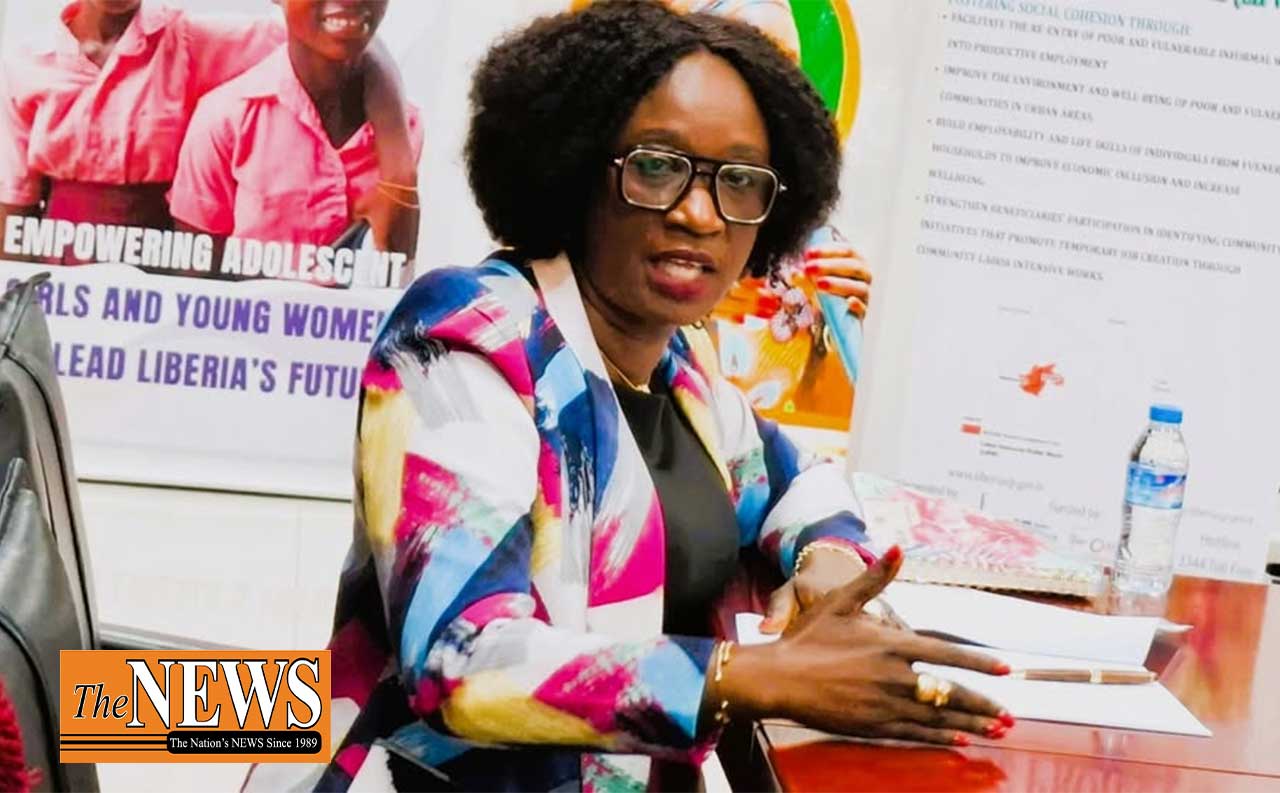
Gender Minister Hon. Gbeme Horace-Kollie has congratulated the social workers and other personnel whose dedication, professionalism, and tireless efforts made the successful reunification of the 100 children possible. She acknowledged that, while the completion of the pilot intervention represents a significant milestone, the task ahead remains enormous, requiring sustained commitment, adequate resources, and continued collaboration to ensure the safety, protection, and well-being of vulnerable children across Liberia.
The Gender Minister reaffirmed the Ministry’s unwavering commitment to strengthening child protection systems, supporting vulnerable families, and advancing family-based care as a preferred alternative to institutional placement whenever it is in the best interests of the child. She emphasized the importance of continued monitoring and support to ensure that reunified children remain in safe, stable, and nurturing family environments.
The Minister also expressed profound appreciation to UNICEF for its invaluable financial and technical support to the Liberia Care Support Scheme pilot, noting that such partnerships are critical to advancing the Government’s child protection priorities.
She called on other international development partners, donors, and humanitarian organizations to join the Government’s efforts by investing in family strengthening, social protection interventions, and sustainable child welfare programs that safeguard children’s rights and help vulnerable families provide the care and support their children deserve.