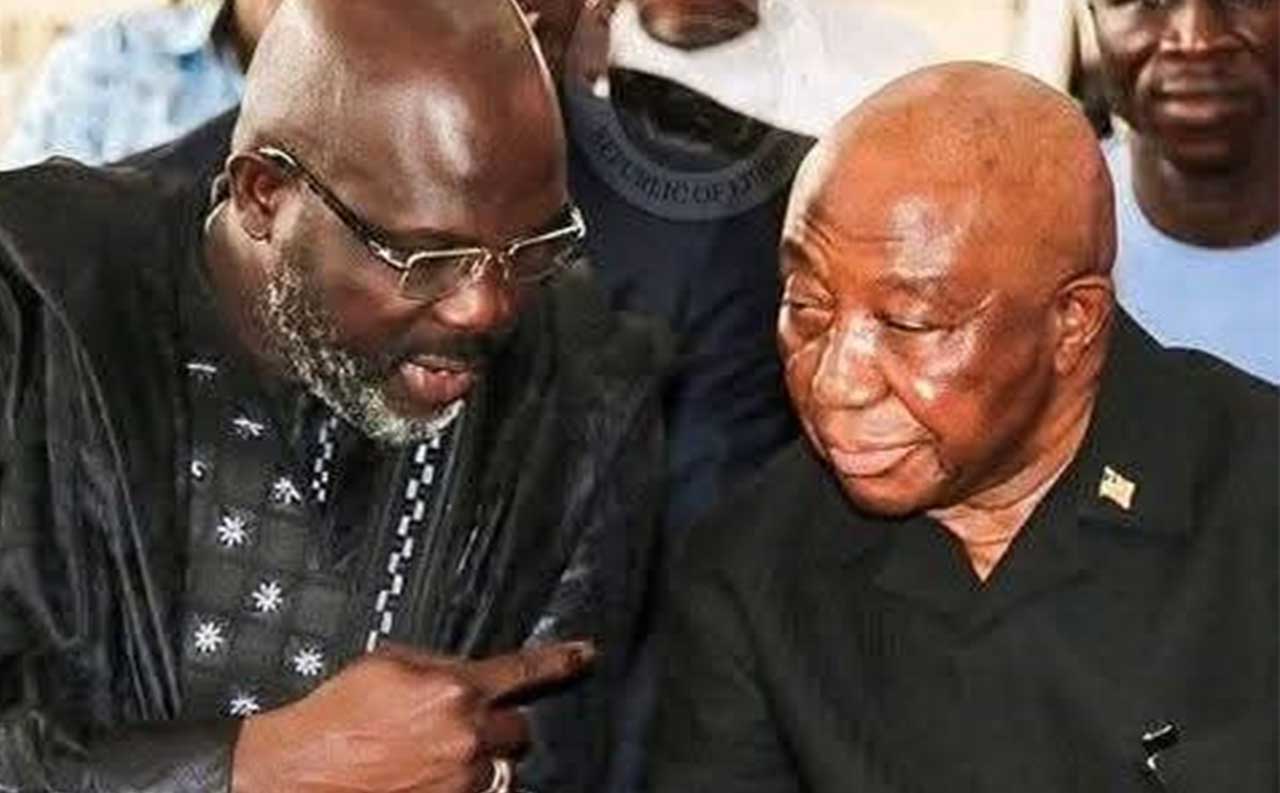
With the wave of political tension between the governing Unity Party (UP) and the former ruling Congress or Democratic Change (CDC), many Liberians have expressed concerns over the claims and counter-claims between Liberian politicians and have voiced their frustration over the emerging crisis between former President George M. Weah and current President Joseph Nyuman Boakai.
Recent comments from former Liberian President George M. Weah have added fuel to the ongoing political tension between the two leaders. The former President continues to brag about how he personally shouldered the medical bills of then Vice President Boakai when he was ill and taken abroad for medical attention. Ex-President Weah further accused President Boakai of ingratitude, alleging that the government is witch-hunting him and some of his former officials.
Weah’s latest statement has stirred fresh public debate after describing Boakai, then Vice President, as a ‘sensible enemy,’ citing a past movement when the current leader accepted assistance from him despite their long-standing political rivalry.
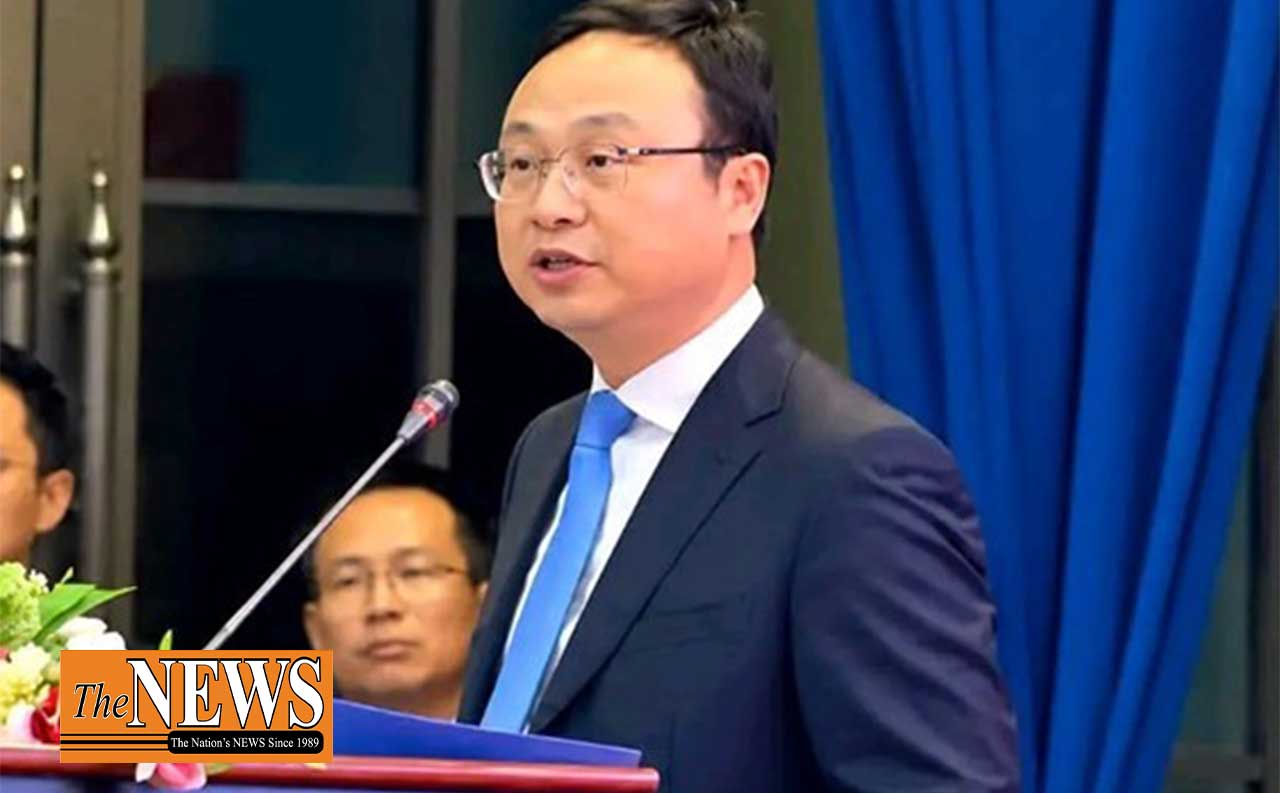
As the New Newspaper picks up the story, to ease the political tension between Mr. Weah and President Boakai, Liberia’s Ambassador-at-Large Sheik Al-Moustapha Kouyateh has added his voice to the many voices calling for national healing and reconciliation amongst political leaders, mostly former President Weah and current President Boakai.
Sheik Al-Moustapha Kouyateh, appearing on a local radio station on Tuesday, May 5, 2026, called on President Boakai to take a more direct role in uniting Liberians by engaging former President Weah face-to-face.
Sheik Kouyateh said genuine reconciliation has not yet been achieved. He alleged that aides surrounding both leaders are blocking progress, as they benefit from the division and use it to maintain influence and relevance.
These latest comments, especially from a Liberian Government official, political observers say, have ignited a direct approach in resolving the perceived rigmarole between the two national leaders in finding an amicable solution.
But the baffling question is, will the president and the former president agree to meet face-to-face, as their supporters are standing by to exacerbate the situation and continually benefit from the division by using it to maintain influence and relevance?