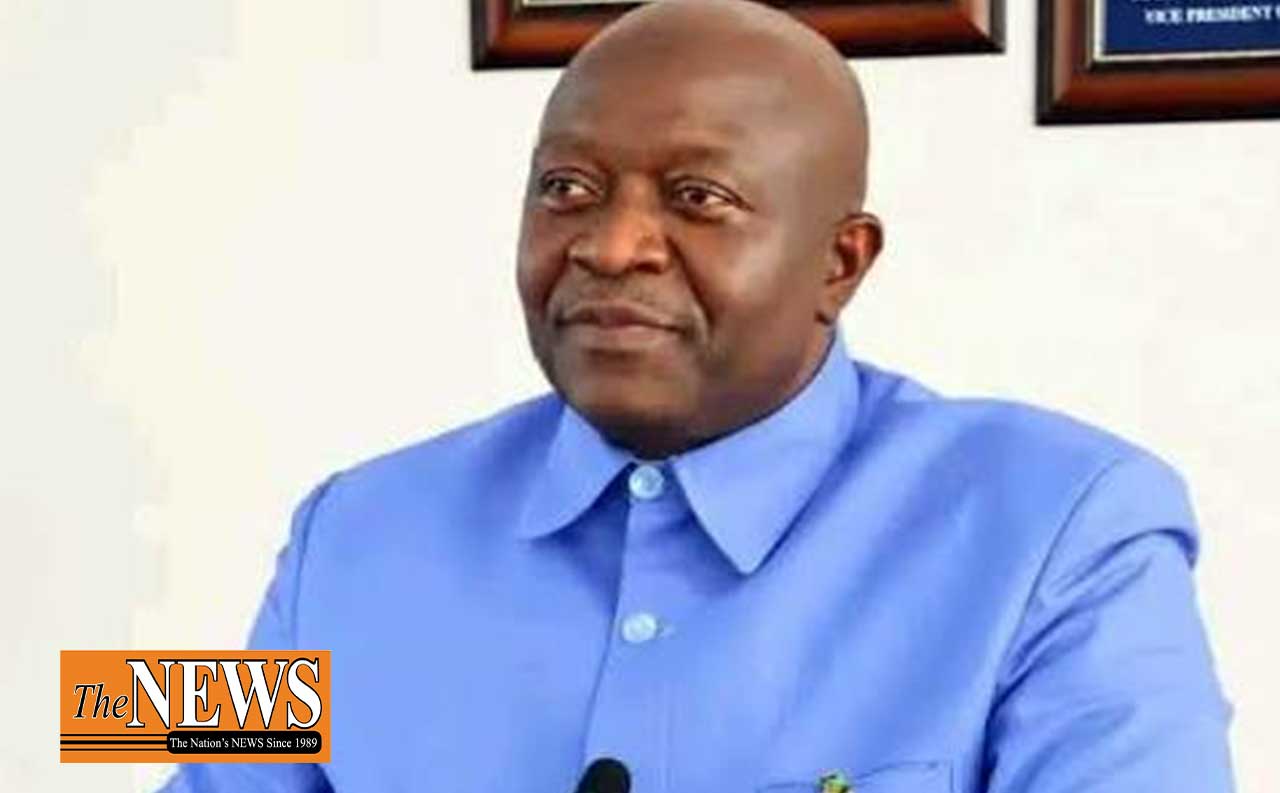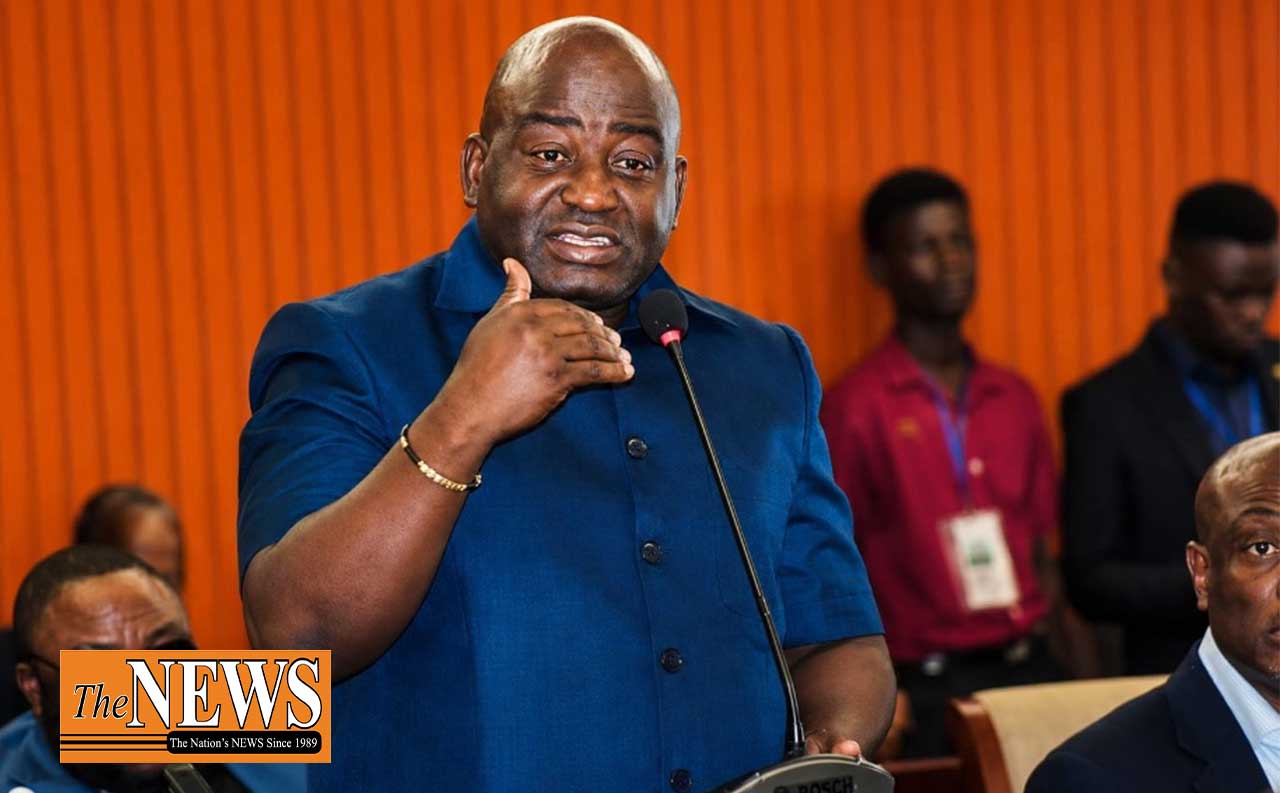
With government tax exemptions and wasteful spending potentially costing Liberia nearly US$200 million annually, Nimba County District No. 7 Representative Musa Hassan Bility is calling for a sweeping legislative review, while demanding answers over shipping delays that reportedly leave imported goods stranded for up to five months, threatening the survival of local businesses.
Bility has submitted two communications to the House of Representatives seeking urgent legislative intervention ahead of the FY2027 National Budget, arguing that public resources must be better managed and Liberian entrepreneurs protected from mounting business costs.
The lawmaker wants Plenary to establish a Special Legislative Committee to investigate government salaries, allowances, benefits, administrative expenditure, duty-free privileges and concessionary tax exemptions across the Legislature, ministries, senior government officials and state-owned enterprises.
He insists that efforts to reduce government waste must begin with public officials themselves, warning against imposing sacrifices on ordinary citizens while excessive benefits for those in power remain protected. “We cannot ask ordinary Liberians to make sacrifices while protecting excessive benefits for those holding public office,” Bility said in his communication.
US$200 million Fiscal Burden Under Scrutiny: Bility’s proposal places government spending and tax exemptions under scrutiny at a time when Liberia faces competing demands for public investment in infrastructure, healthcare, education and agriculture.
Preliminary estimates cited in his communication suggest that duty-free exemptions alone could account for more than US$100 million annually. When combined with excessive compensation and other wasteful expenditure, the potential fiscal burden could approach US$200 million each year.
However, Bility acknowledged that the figures require independent verification, calling for a detailed examination to establish the actual amounts involved and determine which savings or revenues could lawfully be recovered.
He has also proposed eliminating petroleum duty-free privileges, except those required for accredited diplomatic missions under applicable law. The proposed review, he said, must be conducted fairly and transparently, without selectively targeting individuals for political embarrassment or public applause.
Bility wants the committee to complete its work in time for its findings and recommendations to inform deliberations on the FY2027 National Budget.
Beyond cutting government waste, the lawmaker is proposing an annual US$1 million development allocation for each of Liberia’s 73 electoral districts, creating a potential US$73 million nationwide community development fund. The proposal would depend on the actual savings and revenue available after the review.
Under the proposed arrangement, District Development Councils would bring together development chairpersons representing communities, towns and villages to determine local priorities. Each council would be presided over by the elected Representative, with the county’s sitting Senators and the relevant Superintendent present during deliberations.
Bility argues that development funding should be driven by community needs rather than the personal interests of elected officials. He insists that the proposed funds must not become personal allocations for lawmakers or other public officials, calling instead for transparent expenditure, public accountability and independent audits.
Any remaining savings, he proposed, should principally support agriculture, healthcare, education and other essential national priorities. If implemented, the initiative would represent an effort to redirect resources identified through government expenditure reforms toward development projects in communities across Liberia.
In a separate communication, Bility has asked the House to summon the Managing Director of the National Port Authority and representatives of major shipping lines serving Liberia to explain prolonged delays affecting imported goods.
According to complaints cited in his communication, shipments that previously arrived within 30 to 45 days now take as long as five months, leaving importers struggling to obtain reliable information about the whereabouts of their goods and expected delivery dates.
“Containers are reportedly stranded at transit ports, including in neighboring Côte d’Ivoire, while traders face uncertainty over when their merchandise will reach Liberia,” the communication added.
According to Bility, the situation has reportedly forced some Liberian business owners to route goods through Côte d’Ivoire and Guinea, incurring additional transportation costs and logistical complications simply to keep their businesses operating.
Bility warned that delayed shipments can cripple businesses by tying up working capital, increasing financing costs, disrupting supplies and making it harder for entrepreneurs to meet obligations to employees, suppliers and lenders.
For small businesses operating on limited capital, he argues, a single prolonged delay can threaten years of investment and the financial security of entire families. “Doing business in our own country should not become a punishment,” Bility declared, warning that the country cannot remain silent while entrepreneurs lose businesses they worked hard to build.
Port Authority, Shipping Lines Face Questions: The proposed hearing would seek explanations for the causes of the delays, the circumstances surrounding containers stranded at transit ports, arrangements for onward delivery and responsibility for additional charges and losses suffered by importers.
Bility also wants the House to examine what immediate remedies the Government of Liberia can pursue and what measures are necessary to restore dependable shipping services. His communication calls for relevant shipment records, clear explanations of service disruptions and a corrective action plan containing specific timelines.
The proposed inquiry would place the National Port Authority and major shipping operators under legislative scrutiny over a problem that, according to the complaints cited by Bility, is increasing the cost and uncertainty of doing business in Liberia.
The lawmaker has urged his colleagues to give both communications prompt and serious consideration, arguing that the Legislature has a responsibility to scrutinize public expenditure and respond when economic conditions threaten the livelihoods of citizens. He maintains that Liberia’s national budget must deliver more resources to communities, while the country’s business environment must provide local entrepreneurs with a fair opportunity to survive, invest and grow.
The House’s response to the two requests will determine whether the proposed spending review and shipping inquiry proceed to formal legislative action. For Bility, the central demand is that public money be managed more responsibly and that businesses operating in Liberia receive answers and practical solutions to the challenges threatening their survival.