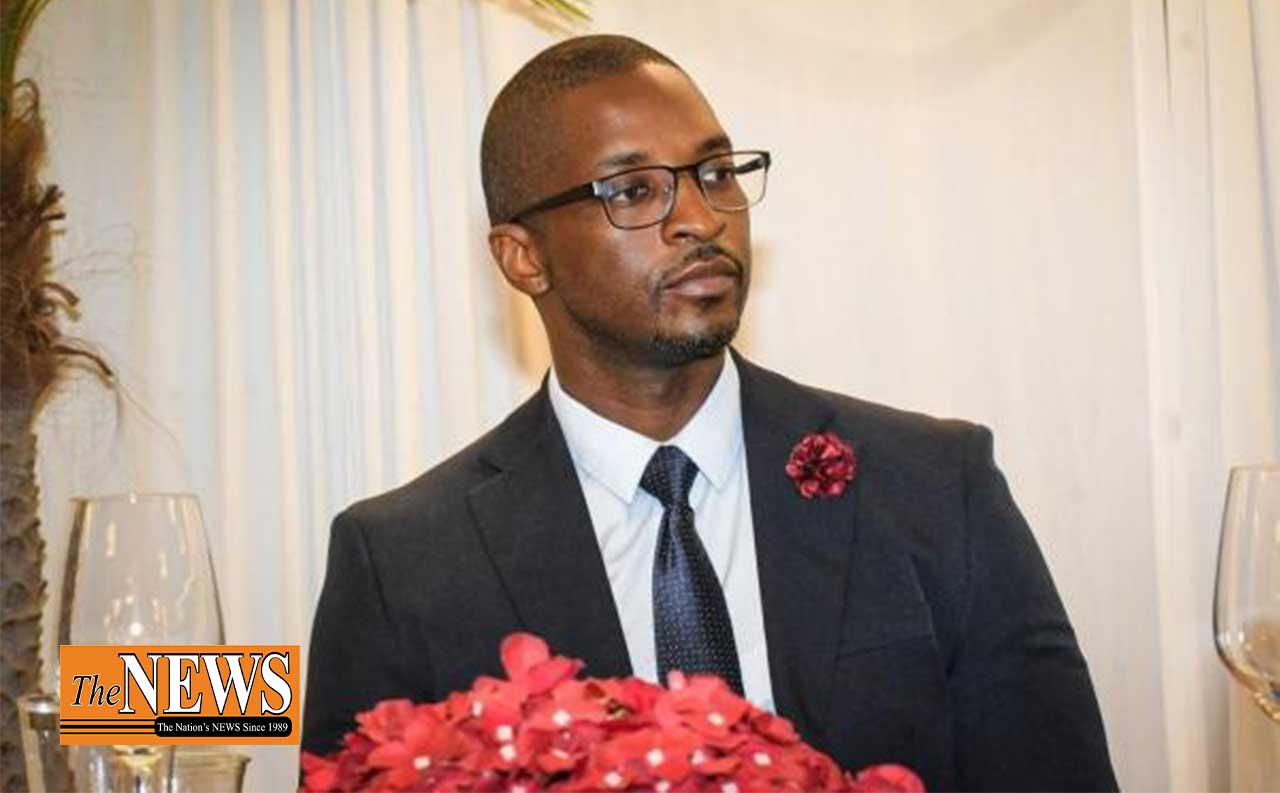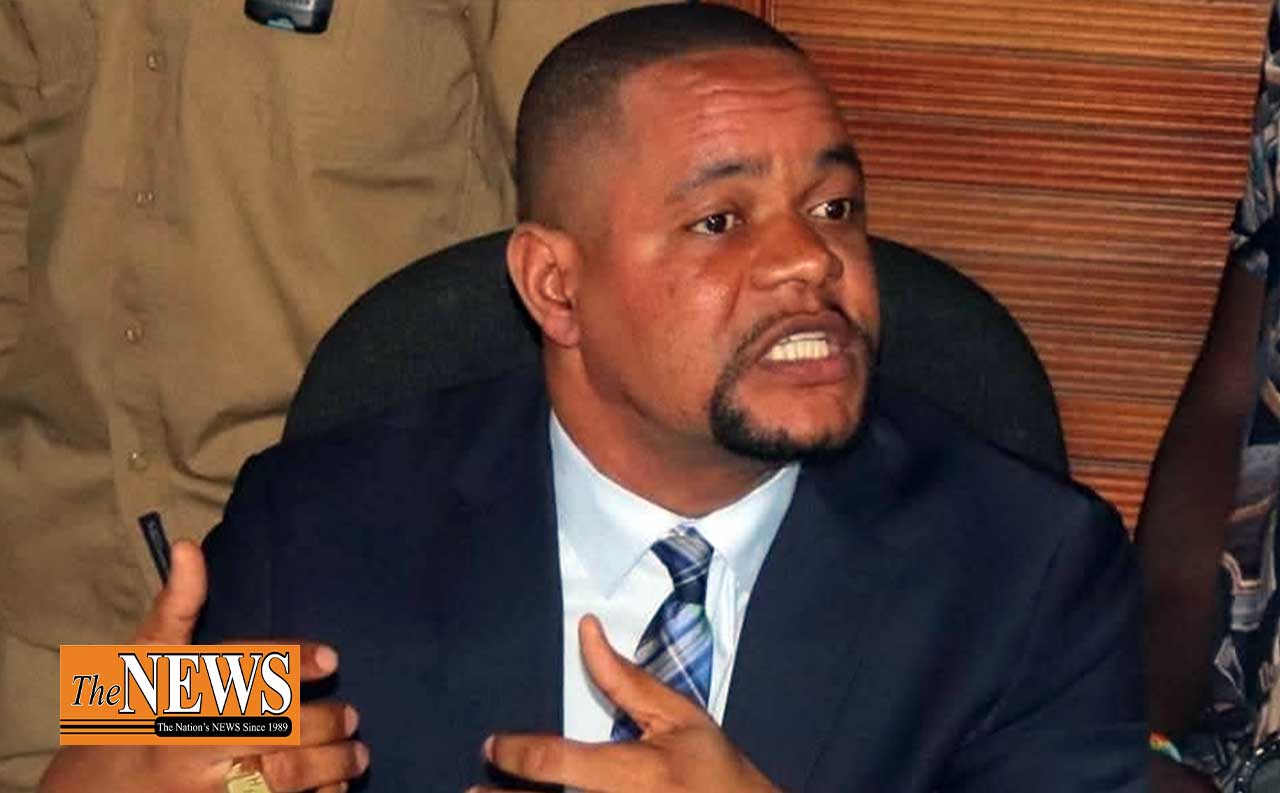
Henry Pedro Costa has sharply contrasted the former George Manneh Weah administration’s record on drug enforcement with the current government’s response to Liberia’s escalating narcotics crisis, arguing that the country’s latest string of major cocaine seizures reflects a stronger political will to confront international trafficking networks.
Appearing Saturday, August 23, 2026, on Spoon FM with host Stanton A. Witherspoon, Costa said the difference between the two administrations was not simply the number of narcotics intercepted but the manner in which the government responded to the trafficking threat.
Costa alleged that international cartels became increasingly established in Liberia during the CDC government, claiming that criminal organizations were able to develop relationships that facilitated the movement of narcotics through the country. “The cartels became very entrenched, very comfortable during the CDC time,” Costa said.
He alleged that trafficking networks cultivated relationships capable of facilitating the importation, transit and movement of their products through Liberia. Costa’s assessment places the controversial US$100 million cocaine seizure of October 2022 at the center of the debate.
Liberian authorities seized approximately 520 kilograms of cocaine hidden in a frozen-goods container during the operation. The shipment was believed to have originated in Colombia and passed through Brazil before reaching Liberia. According to the U.S. Department of State’s narcotics report, American investigators provided the intelligence that led Liberian authorities to the shipment.
Costa argued that this foreign intelligence support is evidence that the breakthrough did not originate from the Liberian government’s own detection system. “It was not the government that got this information,” he said.
According to Costa, the traffickers believed they could conceal the cocaine inside frozen-food containers without attracting attention. But U.S. investigators were already monitoring the shipment and passed information to Liberian authorities. “That’s why I say it was accidental, because it was not them,” Costa said.
He alleged that trafficking networks cultivated relationships capable of facilitating the importation, transit and movement of their products through Liberia.
There is, however, an important distinction between Costa’s political interpretation and the documented facts surrounding the case.
The available official record confirms that U.S. investigators tipped off Liberian security agencies, but it does not establish that the seizure itself was accidental. Liberia’s Ministry of Justice described the operation as a coordinated and well-planned multinational law-enforcement operation involving several agencies and international partners. The case also did not end with the seizure.
Several foreign nationals were arrested or pursued in connection with the shipment, while the cocaine was destroyed. The case later became the subject of continuing legal and political controversy, including questions surrounding the prosecution and treatment of defendants.
“I think we’ve seen a significant amount of political will on the part of the administration to deal with this,” Costa said. That assessment comes as the Boakai administration faces one of its most consequential security tests.
His comments have injected another political dimension into Liberia’s increasingly intense national debate over narcotics- a debate now focused not only on how much cocaine is being seized, but on whether successive governments have possessed the political will, intelligence capacity and institutional independence required to dismantle the criminal networks behind the shipments. “That makes me confident that we’re going to win against the cartels,” he said.
The record from the Weah years shows that major seizures did occur, including the historic 520-kilogram interception in 2022 and the subsequent January 2023 seizure. The current administration, meanwhile, has presided over even larger seizures and has expanded investigations into alleged local facilitators. The unresolved question is whether Liberia can convert those seizures into lasting prosecutions and dismantle the networks that have repeatedly attempted to use the country as a transit point.