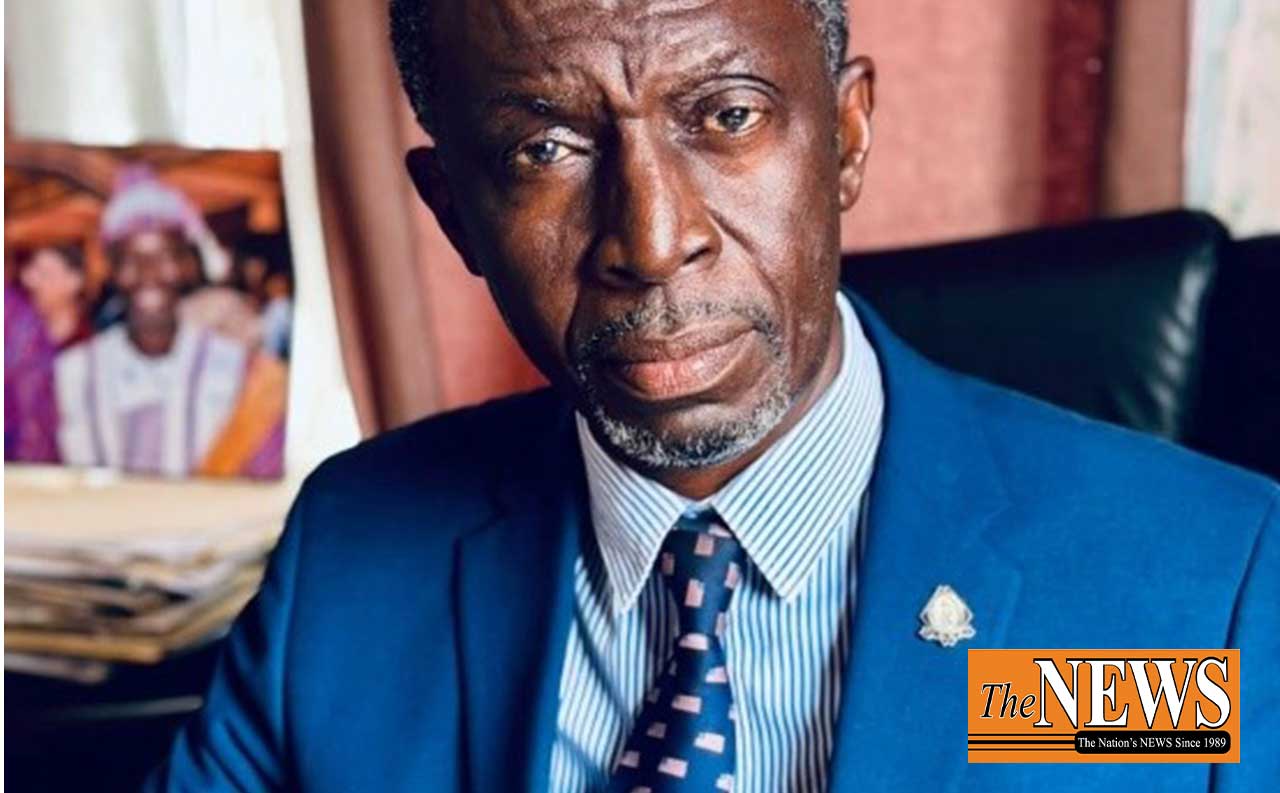
A seasoned Liberian security expert and former member of the Liberia National Police, Edward Morlu Johnson has pledged to assist Liberia in the eradication of drugs and other narcotics that are destroying Liberian youth if given the opportunity to serve as Director of the Liberia Drugs Enforcement Agency (LDEA).
Mr. Johnson is a well-trained, long-standing, responsible, and highly respected former officer of the Liberian National Police with a clean professional record. During his years of service, he worked in the operations department of the Liberian National Police and also served as Special Assistant to the deputy Director for Operations of the LNP.
After retiring from the police, Johnson went on to serve with the United Nations Development Programme (UNDP) where he worked for decades before retiring. He also headed the Security Department of the UNDP in Liberia. His years of dedicated service and the many successful projects undertaken under the UNDP during his tenure stand as a living testimony to his professionalism, leadership, and commitment.
Edward Morlu Johnson hails from Ngokohun Town in Lofa County. Mr. Johnson has held various positions within the security sector including, Special Assistant to the Deputy Director for Operations, Special Assistant at Ministry of Justice-March 2004, Security Coordinator with the United Nations Development Programme-UNDP in Liberia and Security and Risk Manager at Mary’s Meals Liberia.
Mr. Johnson attended the Voinjama Multilateral High School and is a product of the A.M.E. Zion University College 166 Benson Street. He has also proposed some measures to counter drugs trafficking and other narcotics related substance within the Republic of Liberia.
Transforming Liberia’s Counter-Narcotics Response- a strategic national vision for strengthening security institutions and protecting Liberia’s future. In his introductory note, Johnson noted that Liberia’s evolving narcotics challenge demands a decisive, coordinated, and forward-looking national response noting that the growing complexity of the global drug trade requires stronger institutions, effective legal frameworks, professional security leadership, and sustained cooperation among national and international partners.
“The fight against narcotics is no longer only a law enforcement responsibility. It is a national security priority that directly affects public safety, economic development, social stability, and the future of Liberia’s young population,” he noted.
He urged Liberians to continue building a resilient counter-narcotics framework capable of preventing emerging threats, strengthening national institutions, and protecting communities.
On strengthening the Liberia Drug Enforcement Agency, Johnson added that the Liberia Drug Enforcement Agency remains at the center of Liberia’s national response against narcotics threats.
He added, “Strengthening the institution is essential to ensuring that it has the professionalism, capacity, and public confidence required to fulfill its mandate.
Johnson named the priority areas that include, institutional strengthening; professional training and development; modernization of systems and capabilities; improved personnel welfare and strong accountability mechanisms.
According to him, a professional, capable, and effective LDEA is a critical pillar of Liberia’s national security architecture.
On modernizing laws and policy frameworks, Mr. Johnson noted that a strong counter-narcotics response requires a modern legal foundation capable of addressing current and future challenges. He noted, “Liberia should continue reviewing and strengthening its narcotics-related laws and policies to ensure they support:
On the effective enforcement, Johnson averred that Institutional accountability;
Justice and fairness are the key pillars in combatting drugs. On national security objectives, he said protection of constitutional principles is vital adding that the legal framework must remain responsive, effective, and aligned with Liberia’s national interests and international responsibilities.
On strengthening national security coordination, Mr. Johnson noted that narcotics trafficking is a complex challenge that requires a unified national response adding, that no single institution can address this threat alone. proffered that success depends on effective cooperation among including government institutions; security agencies; justice authorities and relevant national stakeholders.
According to him, a coordinated approach strengthens national preparedness; institutional cooperation; strategic planning and collective responsibility. He added that Liberia’s security depends on institutions working together toward a common national objective.
On building professional security capacity, the security expert noted that the strength of any security institution depends on the professionalism, commitment, and preparedness of its personnel adding that long-term success requires sustained investment in professional training; leadership development; institutional excellence and continuous improvement.
According to him, strong institutions are built by skilled professionals, ethical leadership, and a commitment to national service. He said narcotics trafficking is a global challenge that requires international cooperation and shared responsibility.
“Liberia should continue strengthening relationships with regional and international partners to promote cooperation; knowledge exchange; capacity development and Collective security efforts,” Mr. Johnson added. Through stronger partnerships, Liberia can enhance its ability to address evolving security challenges.
On the prevention and protection of communities, he added that a successful counter-narcotics strategy must go beyond enforcement and include prevention. “Liberia must continue promoting public awareness; youth protection; community engagement; rehabilitation and support services. He said protecting communities, especially young people, is an investment in Liberia’s future stability and development.