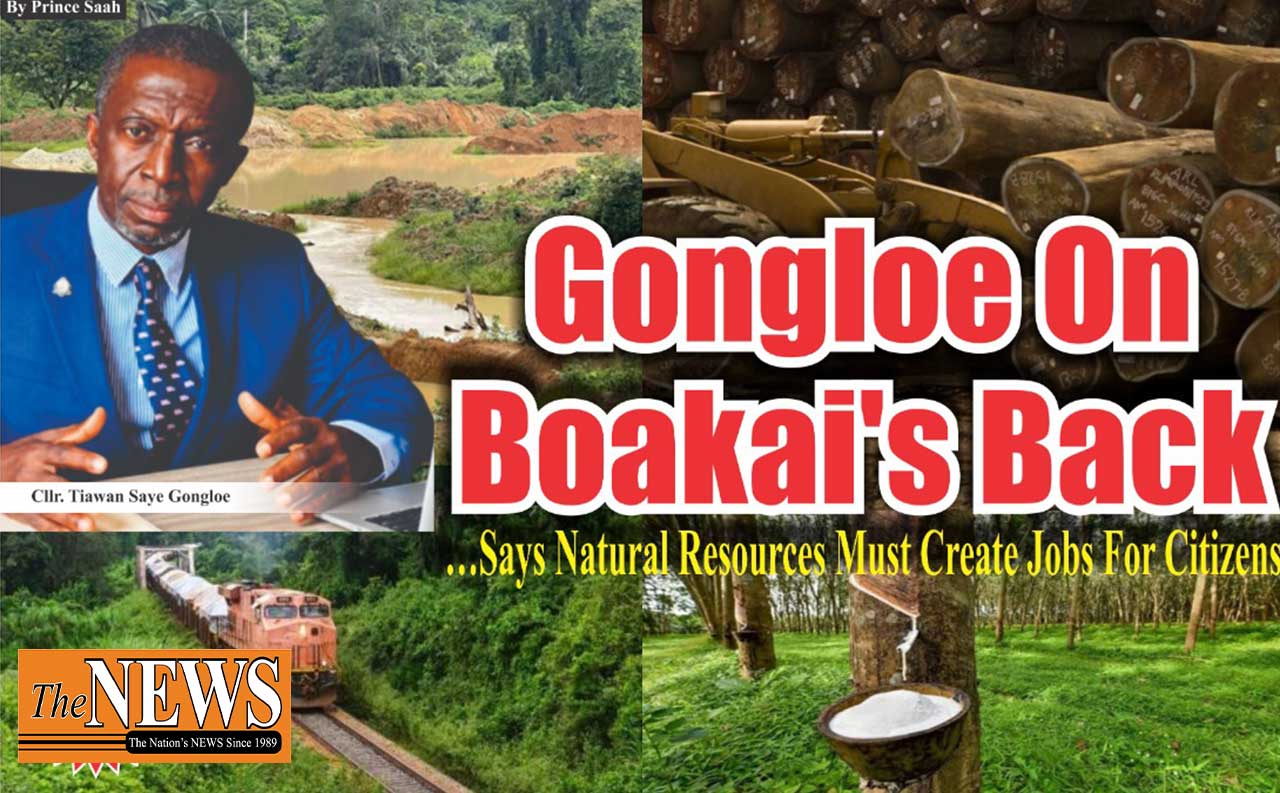
Liberia faces a growing national-security threat from international drug trafficking, with opposition political leader and lawyer Cllr. Tiawan Saye Gongloe warning that the country risks following the dangerous path of states where criminal networks eventually overpower state institutions.
In a hard-hitting commentary titled “Liberia Must Not Become the Next Haiti-The Cocaine Crisis Is a National Security Emergency,” Gongloe called on President Joseph N. Boakai to establish an independent Commission of Inquiry to investigate the country’s escalating cocaine crisis, including allegations of high-level official involvement.
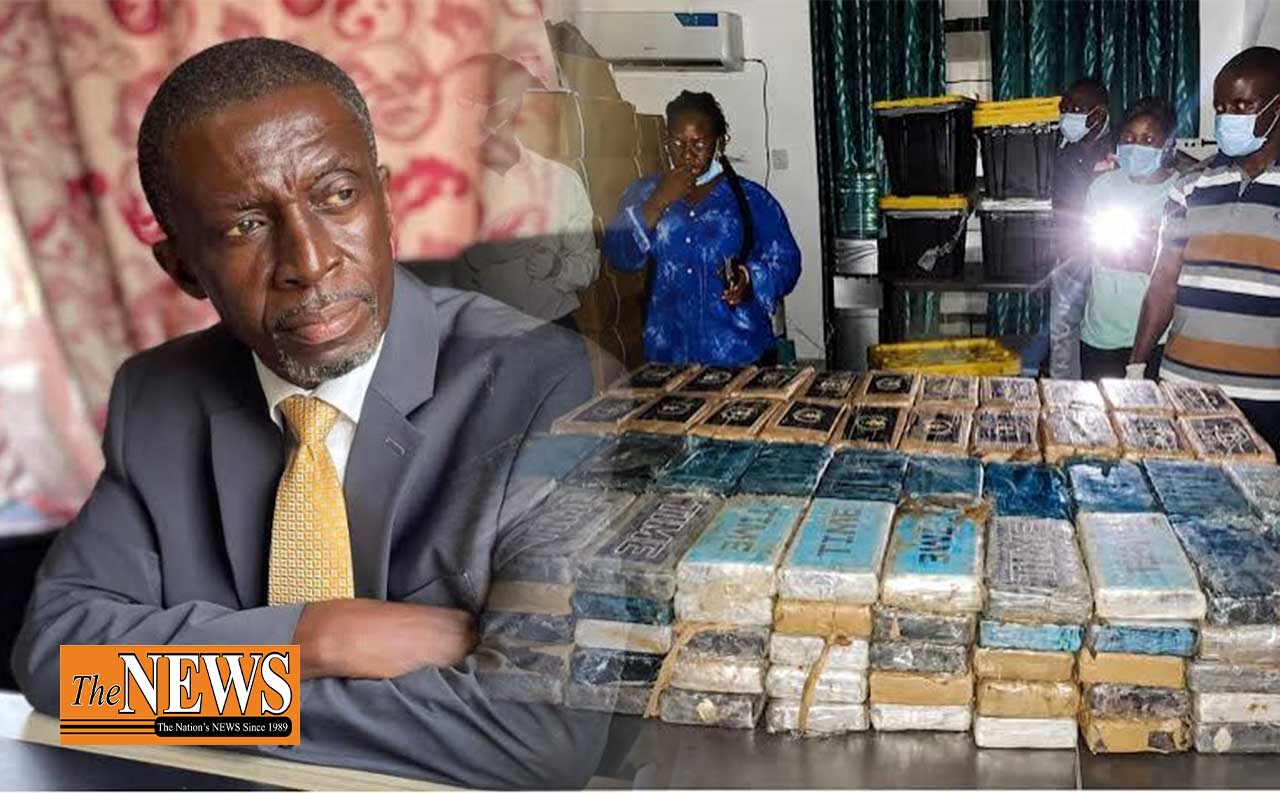
According to him, the discovery of 237.6 kilograms of cocaine at Roberts International Airport in June, followed by the seizure of approximately 3,971 kilograms, nearly four metric tons, in Duazon, Margibi County, demonstrates that Liberia is no longer dealing with ordinary street-level drug trafficking.
He argued that the volume and estimated financial value of the cocaine point to a sophisticated international criminal enterprise capable of exploiting Liberia’s security, financial and political systems. “The real national emergency is not merely the cocaine we have discovered. It is the system that made it possible for nearly four metric tons of cocaine to be found in Liberia,” Gongloe said.
However, the veteran Liberian lawyer demanded answers to a series of questions, including who brought the cocaine into Liberia, who received and transported it, who protected the operations and whether officials within the state facilitated the trafficking network.
Gongloe was careful to distinguish allegations from proven criminal conduct, stressing that no individual should be publicly condemned without evidence and due process. However, he said allegations reportedly made by senior security officials concerning possible involvement of high-ranking government figures cannot simply be ignored.
“If the evidence leads to a poor man, investigate him. If it leads to a police officer, investigate him. If it leads to a businessman, investigate him. If it leads to a minister, investigate him,” he said, insisting that the same standard must apply even if evidence reaches someone close to the President. At the center of Gongloe’s proposed investigation is a simple directive: “Follow the money.”
He urged authorities to investigate suspicious financial transactions, unexplained wealth, properties, businesses, bank accounts, airport and immigration records, shipping activities, communications and political relationships connected to the cocaine trade.
According to Gongloe, dismantling the drug network requires going beyond the physical seizure of cocaine to identifying its financiers, facilitators, protectors and beneficiaries. He also warned that the reported involvement of security personnel in the ongoing investigation has placed public confidence in Liberia’s security architecture at risk.
Gongloe acknowledged steps taken by President Boakai, including administrative actions, suspensions, dismissals, arrests and investigations involving individuals connected to the narcotics case.
He thanked the President for taking action but declared that “this is not enough.” Calling for independent probe, Gongloe said an independent commission should include experts in narcotics trafficking, criminal investigation, financial intelligence, forensic accounting, money laundering, organized crime, constitutional and criminal law, cybersecurity, border security and asset tracing. He argued that the commission must be sufficiently independent because some institutions responsible for fighting organized crime could themselves become subjects of investigation.
Its findings, he said, should be made public, subject only to legitimate national-security restrictions. Warning from Haiti, Gongloe drew a direct comparison between Liberia’s emerging narcotics crisis and Haiti’s prolonged struggle with armed criminal organizations. He cautioned that Liberia must act before criminal networks become powerful enough to control communities, corrupt institutions and challenge the authority of the state.
“A country does not wake up one morning and discover that gangs control its streets,” he warned, arguing that institutional collapse develops gradually through corruption, compromised security officers, political influence, recruitment of young people and growing criminal wealth.