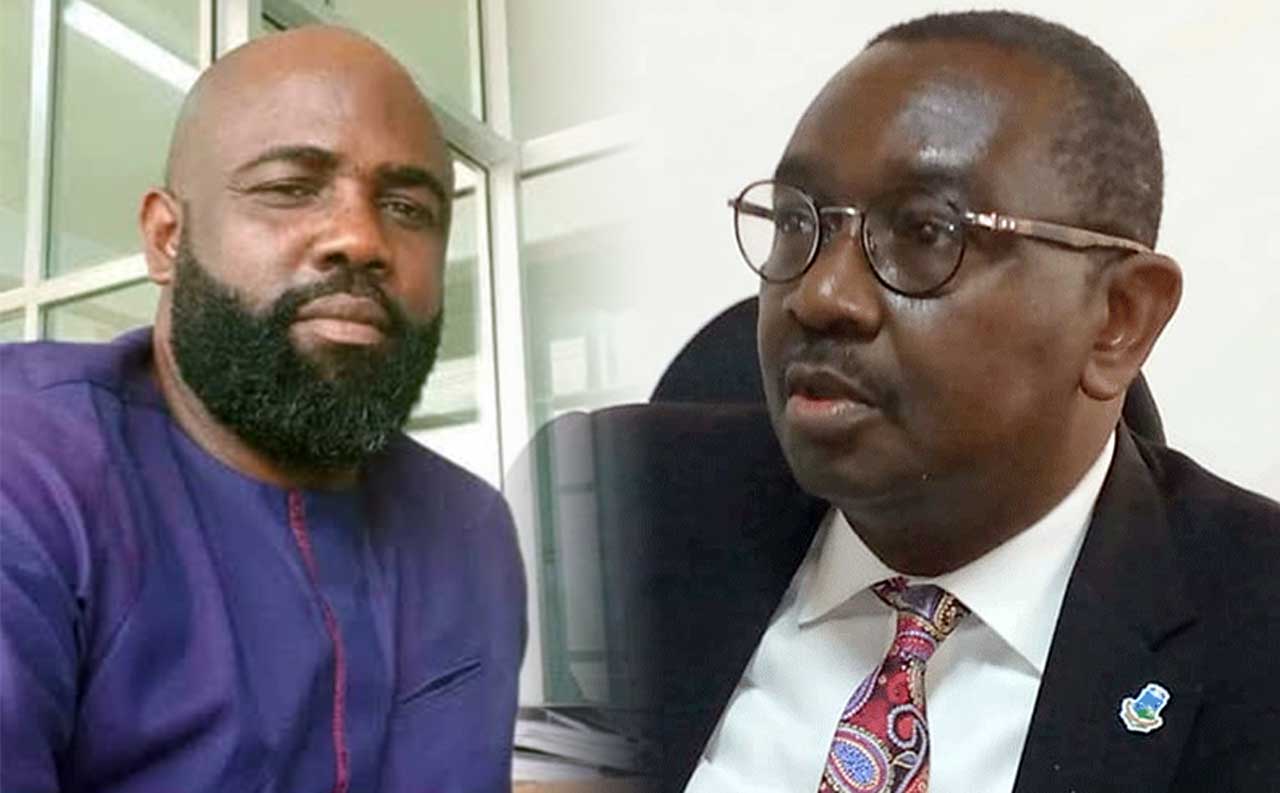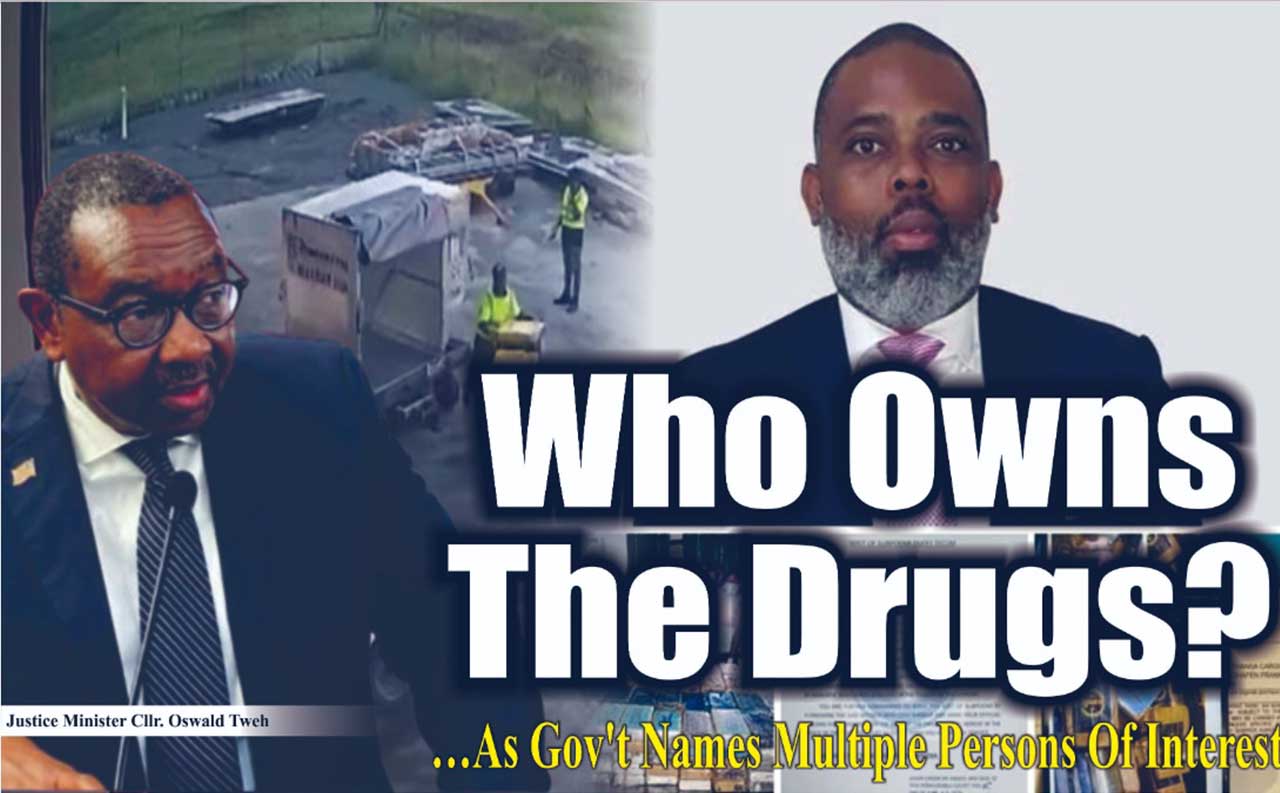
Former Minister of Finance Samuel D. Tweah Jr., through his lawyers, has rejected claims by the Solicitor General Cllr. Augustine C. Fayiah, suggesting that defendants in the ongoing US$6.2 million economic sabotage case confessed to committing a crime.
Speaking Thursday, March 12, 2026, after the alleged corruption case opened at Criminal Court ‘C’, Cllr. Arthur Johnson told court reporters that the previous statement by the Solicitor General was “not true” and misrepresented what actually occurred. According to him, no defendant has confessed to any criminal offense.
Cllr. Johnson said, “There is a difference between a confession to criminality and making a statement explaining an action,” the defense counsel said.
Tweah’s lead lawyer told court reporters that a confession means admitting to the crimes listed in the indictment which is not the case here.
He explained that the actions taken by the former Minister of Finance were carried out under Section 4D.2 of Liberia’s Public Finance Law, which gives the Finance Minister statutory authority to authorize payments that are approved within the national budget or recommended by branches of government.
Moreover, Cllr. Johnson argued that the payments in question were authorized through proper government channels and were executed by the appropriate administrative agents after approval at the level of the National Security Council, chaired by then-President George Manneh Weah.
“These were statutory responsibilities performed by the Minister of Finance. They were actions related to national security and stability during the election period,” he said.
The defense lawyer further criticized the Solicitor General’s earlier remarks, describing them as an attempt to influence public opinion and potential jurors.
“What we saw was an attempt at trial by television and trial by Facebook. The goal was to create the perception that the defendants had confessed to a crime,” he narrated.
Cllr. Johnson argued that if a confession had truly been made, the court would not be in the process of selecting jurors.
The defense maintained that no criminal act was committed and reiterated that the decisions made by the defendants were lawful actions taken in the interest of national security and the stability of Liberia during the election period.