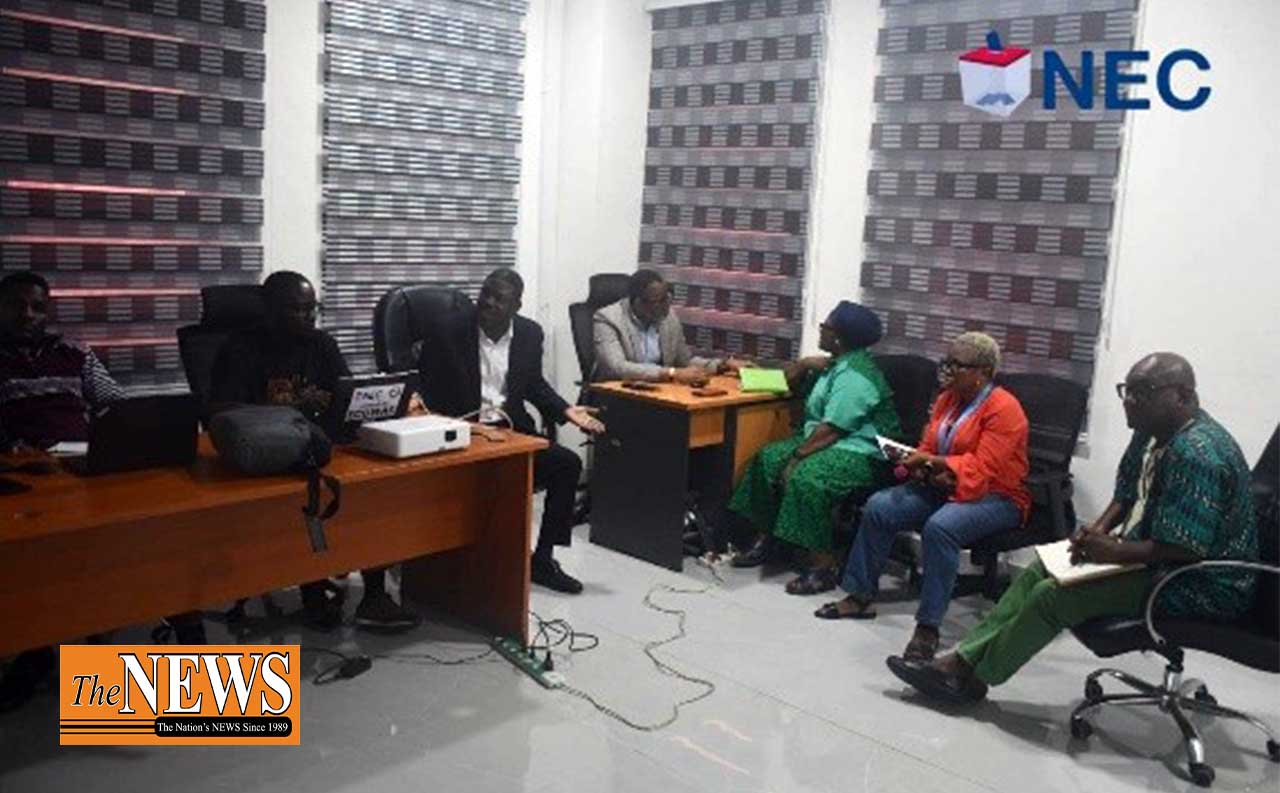
Liberia will take center stage in West Africa’s monetary integration drive when it hosts the ECOWAS West African Monetary Zone (WAMZ) strategic and technical meetings in February, an engagement that could shape the region’s readiness for a proposed single currency by 2027. Speaking Friday, January 23, 2025, at a media orientation workshop intended to equip journalists with key insights on strengthening media engagement for informed regional economic integration at the Central Bank of Liberia (CBL), Dr. Musa Dukuly, Deputy Governor, CBL, said the WAMZ meetings will bring together more than 100 participants, including central bank governors and technical experts from across the region, to review progress, share experiences, and chart a path forward for monetary convergence.
According to him, the gathering traces its roots to ECOWAS’ long-standing ambition for monetary integration, first launched under the ECOWAS Monetary Cooperation Program in 1987. He said the effort later evolved into a two-zone system: the CFA franc zone, anchored to the euro, and the West African Monetary Zone, established in 2000 to pave the way for a common currency among non-CFA countries.
Deputy Governor Dukuly narrated that Liberia is one of five WAMZ member states, alongside Ghana, Nigeria, Sierra Leone, and The Gambia, with Guinea as the only francophone participant in the bloc. He added that the West African Monetary Institute (WAMI), created in 2001, coordinates the zone’s activities and monitors countries’ performance against agreed convergence criteria.
According to him, the pending meetings will feature intensive technical discussions, including sessions of the College of Supervision, where regulators will examine financial sector risks, non-performing loans, climate-related threats, and regulatory best practices. “Governors are also expected to exchange views on monetary policy frameworks, policy harmonization, and macroeconomic stability,” he stated.
The Deputy Governor of CBL said Liberia’s recent transition from exchange-rate targeting to an interest-rate-based monetary policy places it in closer alignment with prevailing regional practices. Despite achievements, he explained that such as improved cross-border payments, unique bank identification systems, and policy-oriented research, WAMZ countries continue to face challenges.
Dukuly: “Persistent difficulty in meeting convergence benchmarks, including inflation below five percent, adequate foreign exchange reserves, and fiscal discipline, remains a major hurdle. Political sovereignty concerns and the need for legislative reforms have also slowed policy harmonization across the bloc.” He revealed that the meetings are expected to conclude with a detailed report and country-specific recommendations that will inform national policy actions and regional decisions.
He added that outcomes from the deliberations will help determine whether ECOWAS is prepared to move forward with a single regional currency by the 2027 target date. However, the Central Bank officials urged the media to engage constructively and responsibly, describing journalists as watchdogs and development partners whose reporting can either strengthen or undermine public confidence. “This meeting is very important for Liberia and the region. It will help define where we stand today and what we must do next to move the integration process forward,” he narrated.