The Executive Director of the Office for the Establishment of the War and Economic Crimes Court for Liberia (OWECC-L), Dr. Cllr. Jallah A. Barbu, has warned of potential danger to Liberia’s accountability process following reports that the National Legislature will not deliberate on the proposed War and Economic Crimes Court bill until January 2027.
Dr. Barbu said the delay raises concerns about the Legislature’s commitment to advancing the proposed court, which is intended to address serious crimes committed during Liberia’s civil conflicts and strengthen accountability for past atrocities.
According to Barbu, the House Speaker informed his office that lawmakers were concentrating on other pressing national matters, leaving the proposed legislation awaiting deliberation.
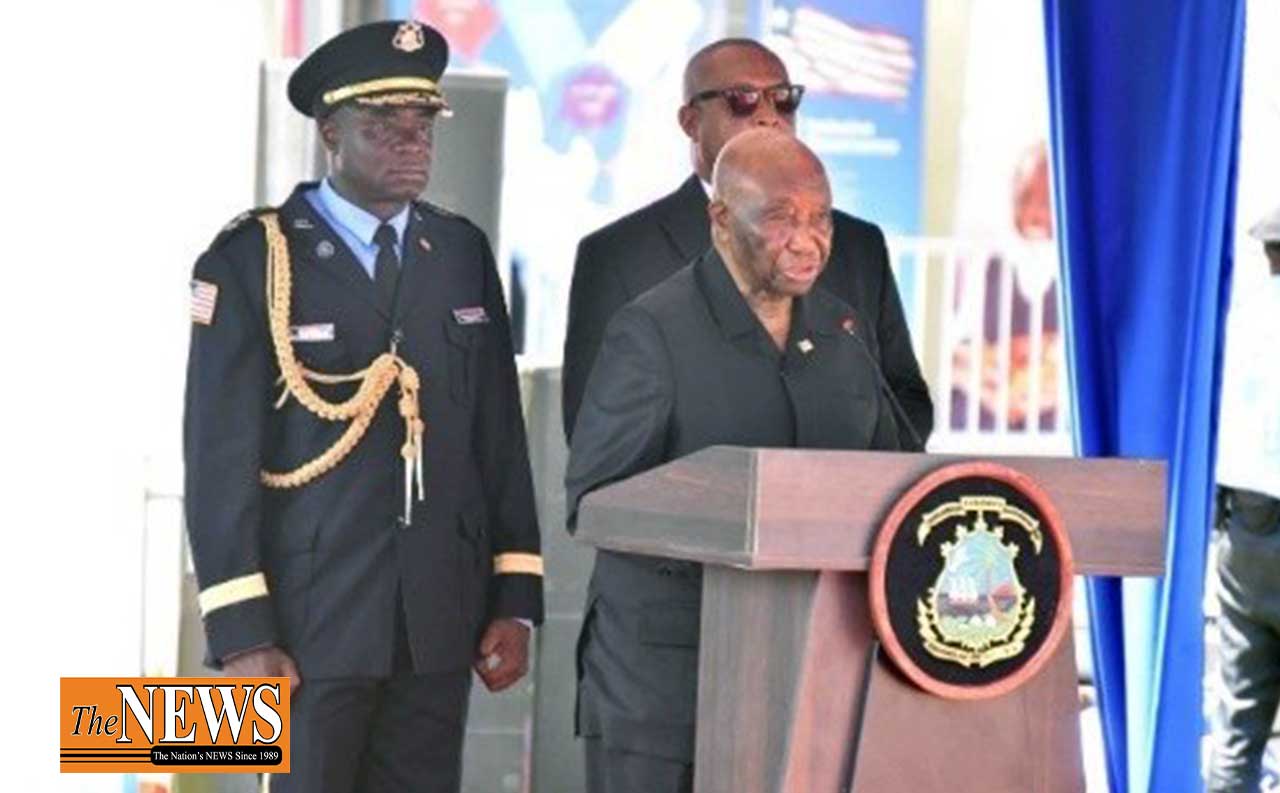
He disclosed this on Monday while speaking at a ceremony marking the dedication of an OWECC-L awareness billboard in West Point, central Monrovia.
During the ceremony, Barbu challenged lawmakers to show their commitment to public consultation by disclosing whether they had returned to their respective constituencies during the legislative break to discuss the proposed legislation with their constituents.
He stressed that establishing the court is a matter of national importance that requires public engagement and timely legislative action.
The OWECC-L executive director also challenged the Legislature over any possible attempt to hold him in contempt for allegedly inciting members of the public against lawmakers over the delay in passing the bill. Barbu’s remarks come amid growing public interest in the establishment of the proposed court, with citizens and civil society organizations calling for progress on the legislation.
In a further disclosure, Barbu said the proposed US$1.2 billion national budget does not contain a specific allocation for the War and Economic Crimes Court process. He argued that the reported absence of dedicated funding raises questions about how the government intends to finance the court’s establishment and eventual operations.
The court would require adequate resources to support its institutional development, investigative and prosecutorial arrangements, judicial administration, witness and victim protection, and other essential functions. Without a clear financing plan, concerns could persist over whether the proposed institution will have the resources necessary to fulfill its intended mandate once the legislation is enacted.
However, on the issue of funding, the proposed court should be distinguished from funding OWECC-L, the office currently responsible for coordinating the establishment process.
In May 2026, President Joseph Nyuma Boakai renewed OWECC-L’s mandate through Executive Order No. 164, providing for an annual US$2 million appropriation for the office through the Ministry of Justice. The order also directs the office to develop implementation frameworks and continue engaging the Legislature and potential funding partners.
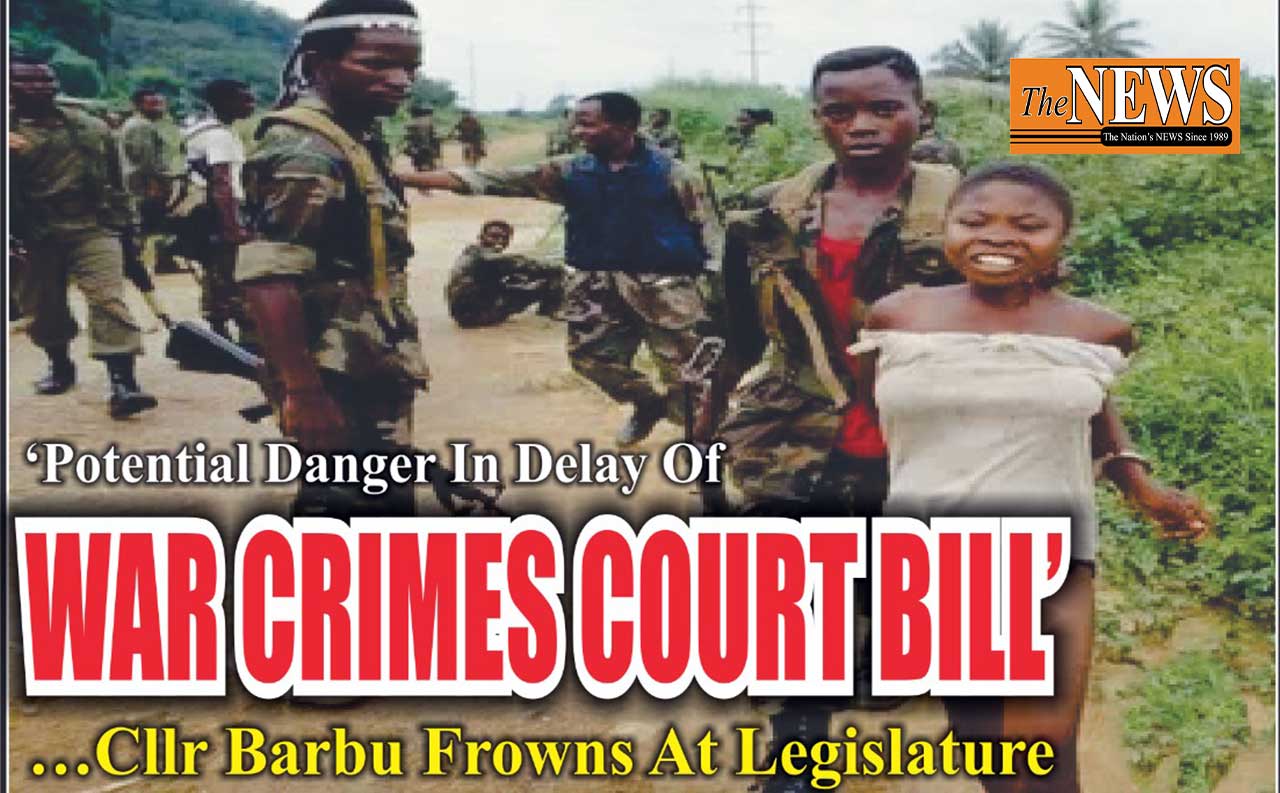
The proposed War and Economic Crimes Court is part of Liberia’s broader efforts to address unresolved accountability issues arising from the country’s civil conflicts. The Truth and Reconciliation Commission (TRC), established to investigate Liberia’s conflict-related experiences and recommend measures for national reconciliation, called for accountability for individuals bearing responsibility for serious violations committed during the wars.
The proposed court is expected to address crimes within its legal jurisdiction, including war crimes, crimes against humanity, and other grave violations, subject to the provisions of the legislation establishing it.
For many victims and survivors, the proposed institution represents an opportunity to pursue accountability for atrocities that have remained unresolved for decades.
President Boakai formally submitted proposed legislation to create the War and Economic Crimes Court, alongside a separate bill to establish a National Anti-Corruption Court, to the National Legislature in May 2026.
The bills require legislative consideration and enactment before the proposed courts take effect under relevant legal frameworks. The reported prospect of further delays has intensified questions about the timeline for establishing the court and the measures being taken to move the process forward.
In August 2026, OWECC-L acknowledged journalists’ concerns about the slow pace of legislative action, emphasizing that the Legislature must act on the proposed bills while the office continues preparing for the institutions’ eventual operationalization.
The office has also maintained that the establishment process requires coordinated action involving the Executive, Legislature, civil society organizations, victims and survivors, and international partners. Barbu’s latest remarks place renewed attention on the Legislature’s role in determining the next stage of the process.
If deliberations do not begin until January 2027, as he reported, further questions could arise about the time required to consider the bill, address possible amendments, secure its passage, and prepare the necessary institutional and financial arrangements.
As Liberia continues to debate how best to address the legacy of its civil conflicts, the proposed court remains a central issue in discussions about justice, accountability, reconciliation, and the rule of law.
The National Legislature’s reported position on the January 2027 timeline, the budgetary concerns Barbu raised, and the next steps toward considering the bill remain key issues requiring further clarification.