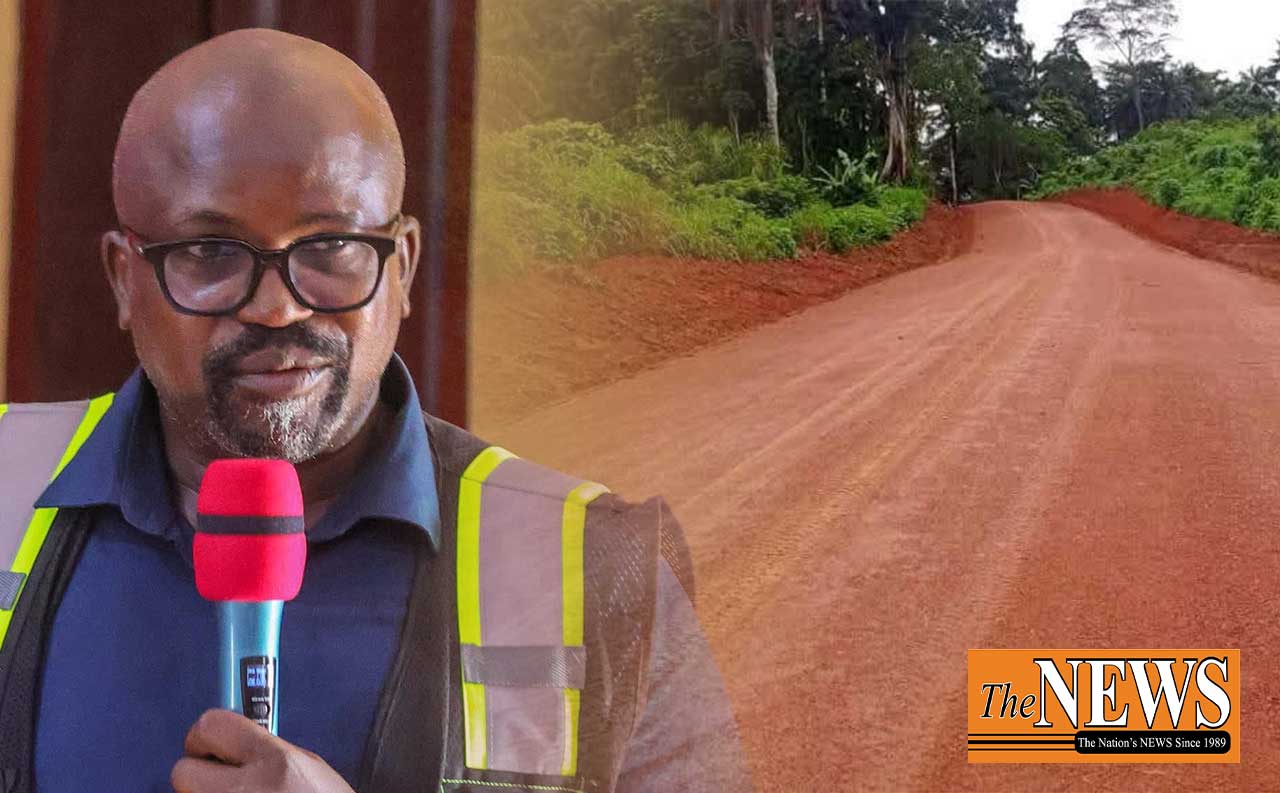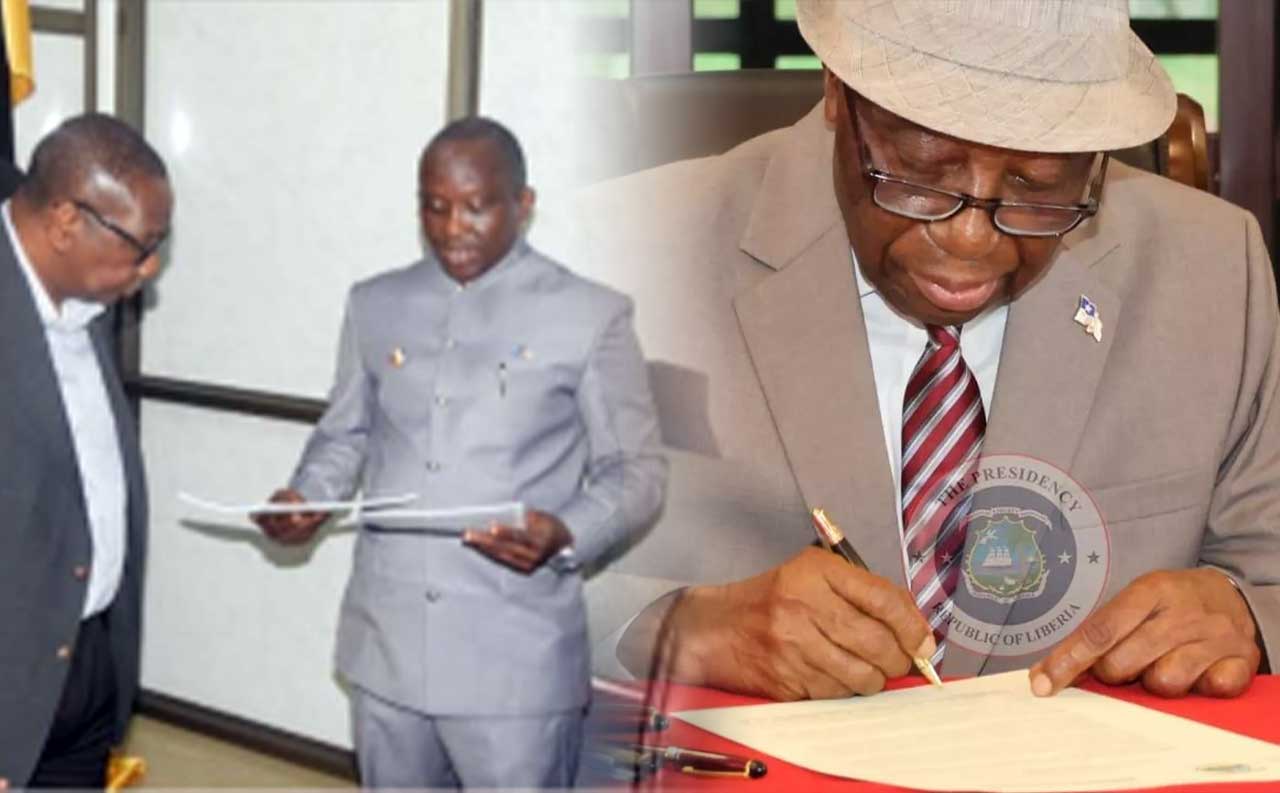
The Government of Liberia, through the Justice Minister and Attorney General, Cllr. N. Oswald Tweh, Sr., has refuted claims that the government is stalling the establishment of a War and Economic Crimes Court (WECC), describing such assertions as “false, misleading, and far-fetched,” while attributing delays to technical reviews and gaps in cooperation.
Speaking Thursday, April 23, 2026, at a high-level anti-corruption and accountability dialogue, the Justice Minister directly addressed concerns raised by the Executive Director of WECC, Dr. Jallah Barbu, emphasizing that the process remains firmly on course despite criticism.
According to the Minister, multiple draft bills for the court, including one submitted by Dr. Barbu, are currently undergoing harmonization to produce a single, comprehensive legislative instrument for submission. He stressed that this process is necessary to ensure legal coherence and effectiveness, not a sign of waning political will.
“The government has demonstrated clear and consistent commitment to establishing the court, pointing to two separate executive orders already issued as evidence of that commitment. Any suggestion that the government is attempting to downplay or derail the process is simply not true,” the Minister declared.
Cllr. Tweh, at the same time, acknowledged delays but attributed them to the need for technical alignment among competing draft proposals, as well as what he described as gaps in cooperation with the WECC office. He maintained that these challenges are procedural rather than political.
In a pointed clarification, the Justice Minister also rejected claims that the Office of the WECC has been denied funding. Minister Tweh revealed that the Ministry of Finance withheld disbursements due to the absence of a compliant spending plan, noting that operating outside established public financial management systems was unacceptable.
“Public funds must be properly accounted for, adding that while the government seeks to preserve the independence of the WECC office, it cannot compromise on transparency and accountability standards,” he narrated.
Despite the tensions, the Minister struck a conciliatory tone, calling for immediate engagement between the government and the WECC office to resolve outstanding issues.
Meanwhile, Liberia’s Attorney General Tweh has proposed an urgent technical meeting aimed at finalizing a harmonized bill and agreeing on a transparent implementation and funding framework involving key stakeholders, including civil society and international partners.
“The people and victims of Liberia deserve truth, justice, and reconciliation. The government will not be deterred from delivering the War and Economic Crimes Court,” he added.
Cllr. Tweh urged the WECC leadership and partners to move “beyond rhetoric” and engage in constructive collaboration to fulfill the country’s longstanding accountability commitments.
The Justice Ministry reaffirmed its broader commitment to the rule of law and human rights-centered anti-corruption efforts, pledging continued cooperation with the Office of the High Commissioner for Human Rights, the Liberia Anti-Corruption Commission, and the judiciary.
The exchange underscores growing public scrutiny over the pace of efforts to establish the long-anticipated court, widely seen as central to addressing wartime atrocities and economic crimes, and advancing national reconciliation.
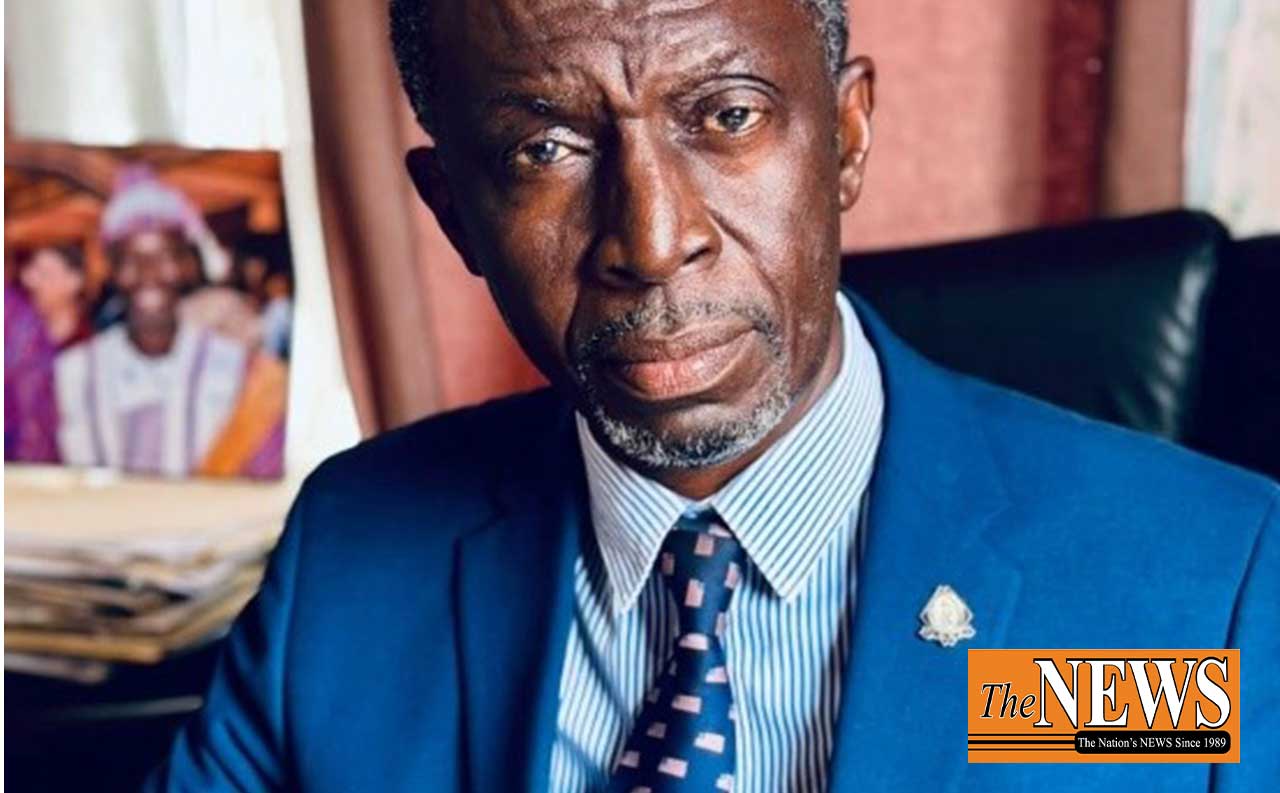
Recently, the Executive Director of the War and Economic Crimes Court, Cllr Jallah Barbu, disclosed that certain government officials around President Joseph Nyuma Boakai don’t want to see the War Crimes Court exist in Liberia.
He named the Presidential Advisor on National Security, Samuel Kofi Woods, Bushbain Keitathe Minister of Justice Cllr. Oswald Tweh, the Minister of State Sam Steve Quoyah, and the President’s Secretary Maureen, among the nine persons who are always preventing him from not seeing the president to have an audience with him on how far the WCC has gone.