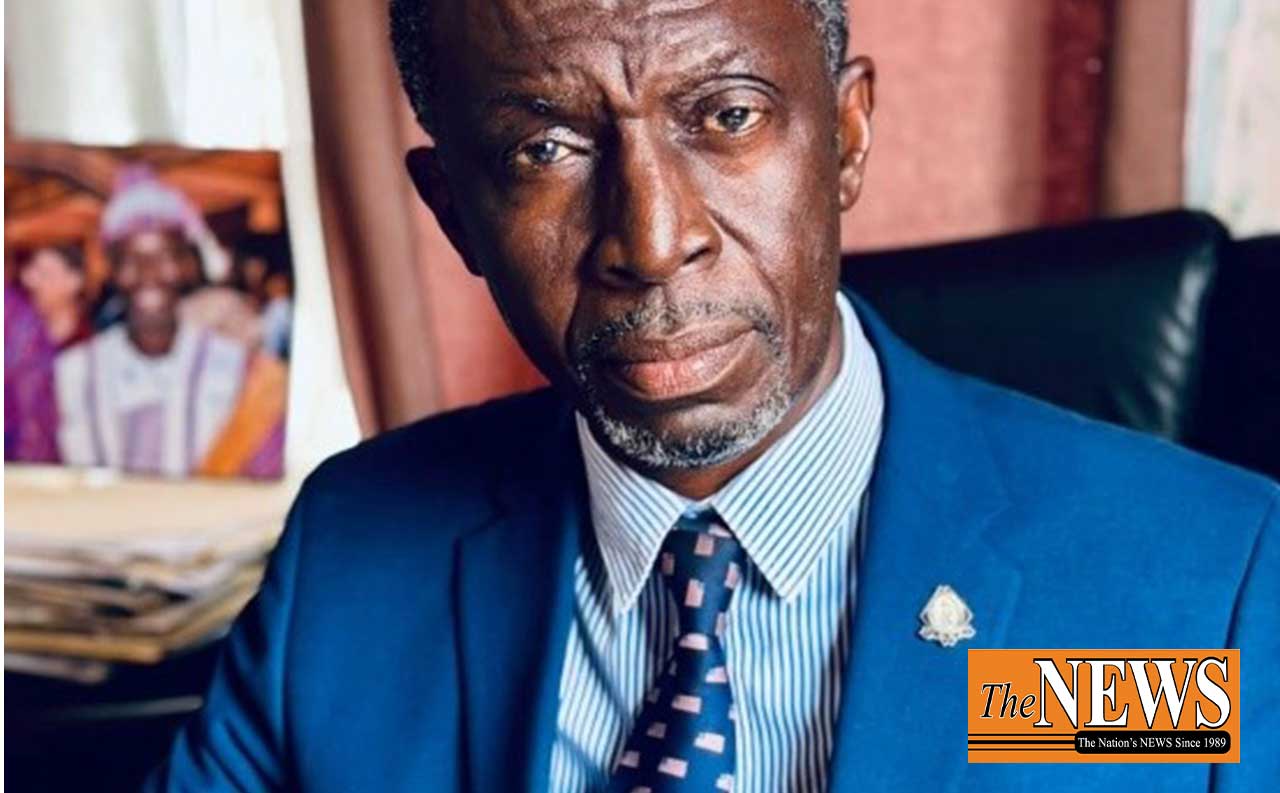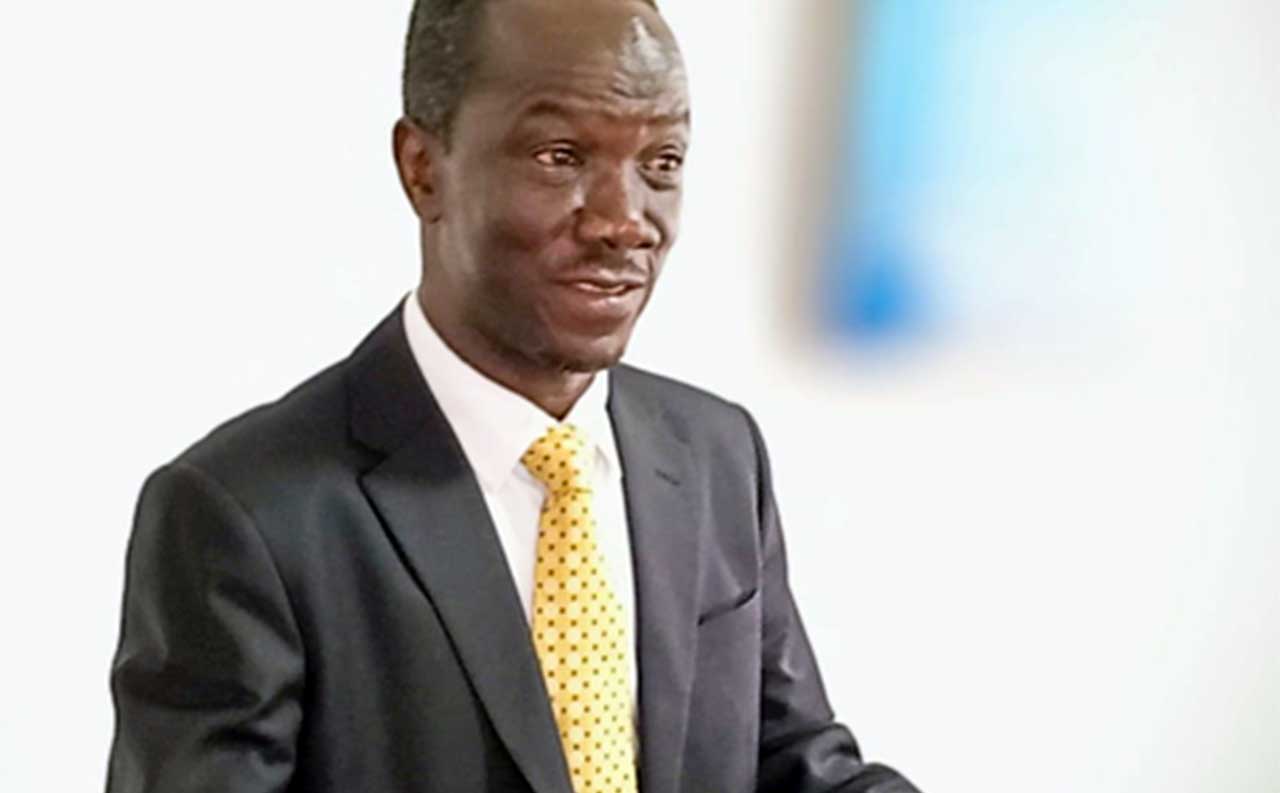
Former Minister of Mines and Energy Wilmot Paye has alleged that his dismissal from government was direct retaliation for his refusal to a request from the Office of the Vice President to help conceal an academic fraud scandal involving former Commerce Inspector General Dorr Cooper at the University of Liberia.
Speaking Tuesday on Spoon Talk, Paye said the pressure began shortly after reports of Cooper’s alleged academic misconduct became public. According to Paye, Vice President Jeremiah Kpan Koung Sr. contacted him directly and asked that Paye’s wife, who lectures at UL, use her position to “shield the information” and protect Cooper from scrutiny.
“I told him no,” Paye stated. “I advised him instead to ask Mr. Cooper to resign from his government position. You cannot build a government on cover-ups.” Paye said his refusal to comply was one of the key factors that led to his removal from the Ministry of Mines and Energy. He served in the position until his dismissal and has not held public office since his replacement.
Paye’s account, if substantiated, raises serious questions about political interference in academic integrity and accountability within government.
According to the former minister, the sequence began when allegations surfaced that Dorr Cooper, then serving as Inspector General at the Ministry of Commerce, had misrepresented academic credentials at the University of Liberia. As the matter gained attention, Paye said the Vice President reached out to him privately.
“The request was clear,” he told Spoon Talk. “They wanted my wife, who teaches at the University of Liberia, to help shield the information, to make sure it didn’t get out, and to protect Mr. Cooper.” Paye said he rejected the request on principle. He argued that involving his wife would compromise her professional integrity and that concealing alleged fraud would undermine public trust in both the university and the government.
“My response was simple: if there is a problem, let the man resign. That is what accountability looks like,” he said. “I refused to be part of a conspiracy to hide wrongdoing.” Paye linked his dismissal directly to that refusal, describing it as “retaliation” for choosing transparency over political convenience.
Dorr Cooper served as Inspector General at the Ministry of Commerce before the controversy. Earlier reports raised questions about the authenticity of academic credentials he presented while at the University of Liberia.
The University of Liberia, as Liberia’s premier public university, has faced repeated scrutiny over academic standards and credential verification. Allegations of “degree fraud” involving public officials have repeatedly sparked public debate about meritocracy and integrity in government appointments.
To date, neither the Office of the Vice President nor Dorr Cooper has publicly responded to Paye’s specific claims made on Spoon Talk. Cooper has also not held a senior government position since leaving the Commerce Ministry.
Wilmot Paye led the Ministry of Mines and Energy during a period when the government emphasized reforms in Liberia’s extractive sector. His tenure focused on three main areas: Mineral Sector Reforms: Paye pushed for tighter compliance among mining companies and advocated for communities affected by mining to receive greater benefits from concessions.
Revenue Transparency: He supported Liberia’s participation in the Extractive Industries Transparency Initiative, EITI, and stressed the need for public reporting of revenues from gold, iron ore, and other resources.
Institutional Capacity: The ministry under Paye worked to strengthen technical capacity for monitoring and enforcement, an effort aligned with broader anti-corruption goals. Since his dismissal, Paye has remained out of public office. He has largely stayed away from partisan politics, though his latest interview marks his most direct public comments on the circumstances of his removal.