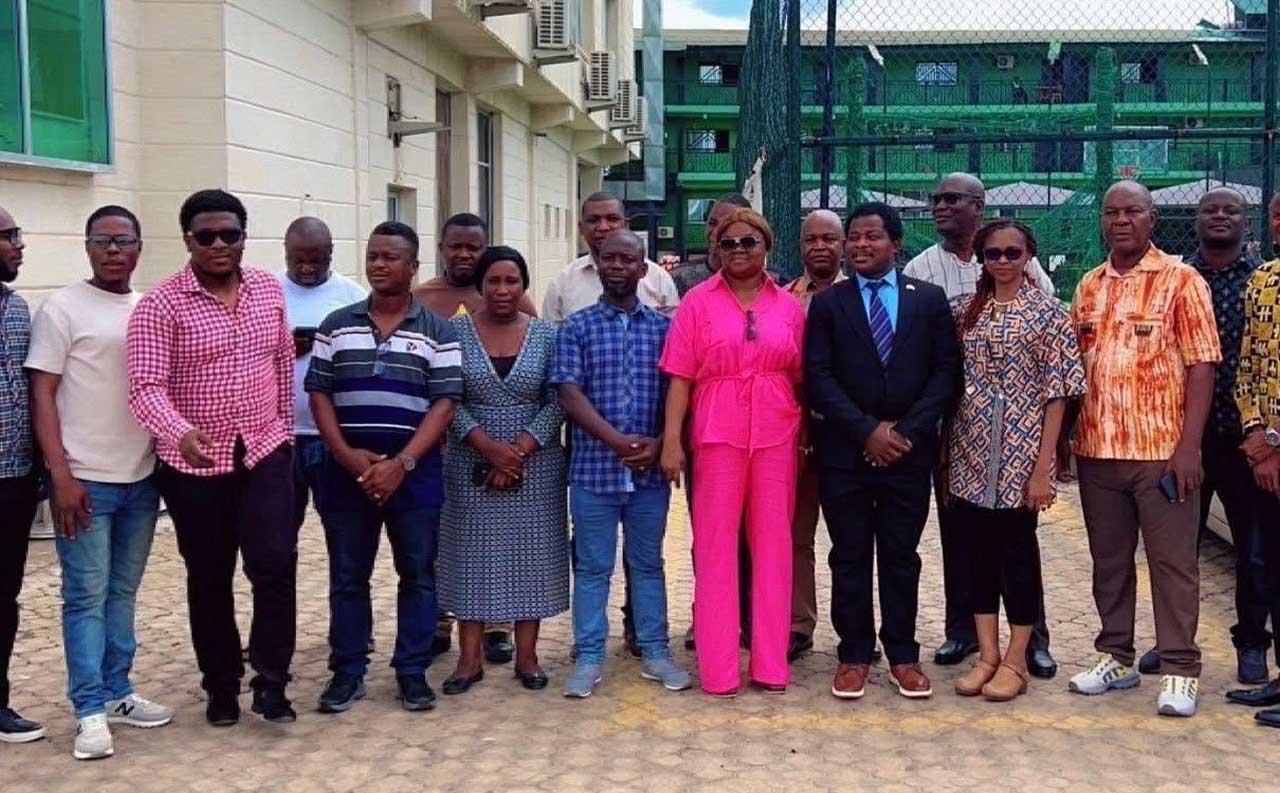
The Ministry of Health Planning and Policy Unit, with support from the World Bank, has commenced a technical review and pre-validation exercise for the National Human Resources for Health (HRH) Policy in Ganta, Nimba County, running from April 20 to 25, 2026.
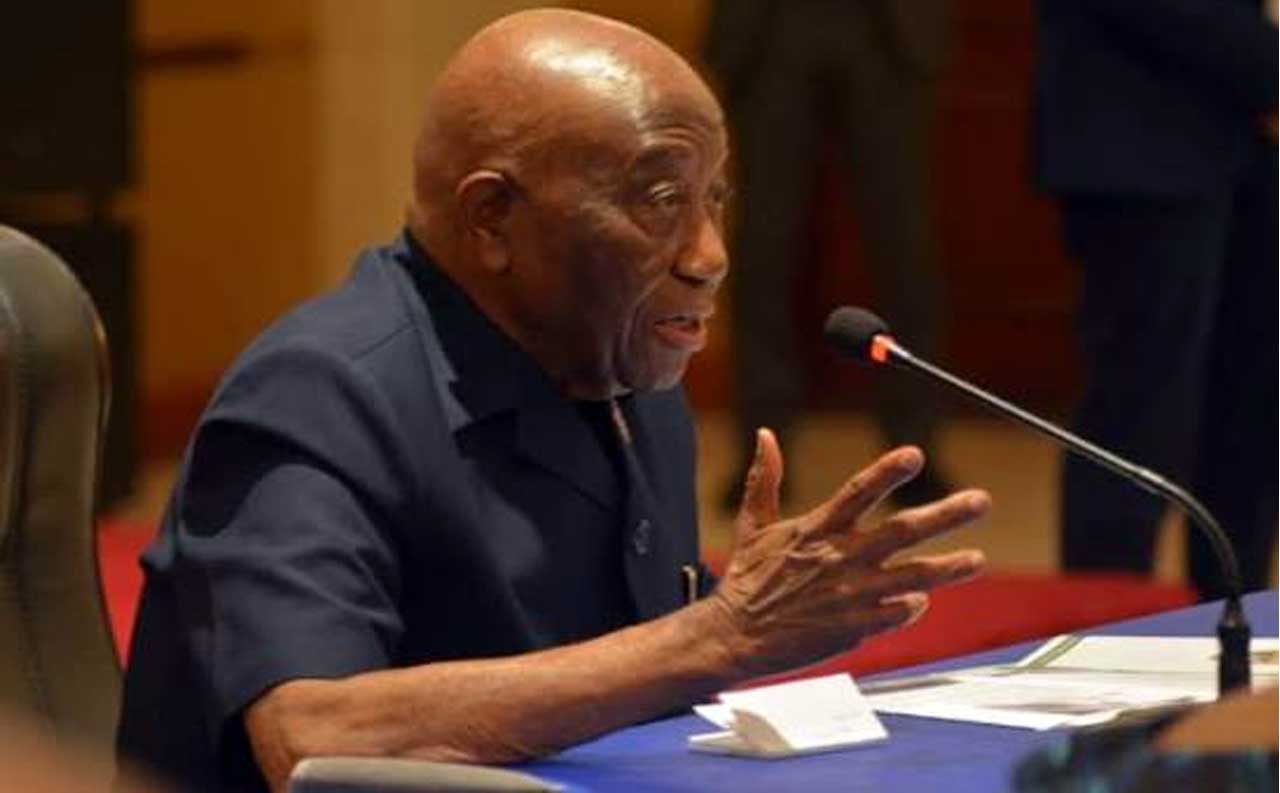
Speaking during the opening of the review process, the Deputy Minister for Policy, Planning and M&E of the Ministry of Health, Atty. Malayah Tamba Chieyoe said the document is meant to reshape the planning, development, management, and retention of the country’s health workforce.
According to a press release dated April 22, 2026, Atty. Tamba disclosed that the policy responds to long-standing systemic challenges, including shortages of health professionals, unequal distribution of staff, persistent skills gaps, and limited capacity in rural and hard-to-reach communities.
He said the National HRH Policy is expected to serve as a guiding instrument for strengthening the country’s health workforce architecture and ensuring that service delivery gaps are addressed in a structured and sustainable manner. Furthermore, under the proposed framework, the Ministry of Health seeks to strengthen recruitment, deployment, and retention mechanisms for qualified health professionals nationwide.
It also aims to improve training systems, expand capacity-building initiatives, and institutionalize continuous professional development for health workers. In addition, the policy proposes enhanced performance management systems and stronger accountability measures within the health workforce.
Another key focus of the framework is to ensure equitable access to quality healthcare services across Liberia, particularly for populations in rural and underserved areas, where access to skilled health personnel remains limited.
The ongoing technical review and pre-validation exercise is a step in the policy development process. It provides a platform for stakeholders to offer technical input, identify gaps, and ensure alignment with national health priorities as well as international best practices. The process is also intended to ensure that the final policy is inclusive, evidence-based, and responsive to both current realities and future demands within Liberia’s health sector.