The African Development Bank (AfDB) says Liberia’s economy has become more stable, but the country needs about US$2.83 billion every year through 2030 to finance its development and achieve faster economic growth.
In its 2026 Liberia Country Focus Report, the Bank said Liberia’s economy grew from 4 percent in 2024 to 4.6 percent in 2025, driven mainly by mining, agriculture, private spending, and infrastructure investment. Inflation also dropped from 8.2 percent to 6 percent, while the government’s budget deficit narrowed because of stronger revenue collection and improved fiscal management.
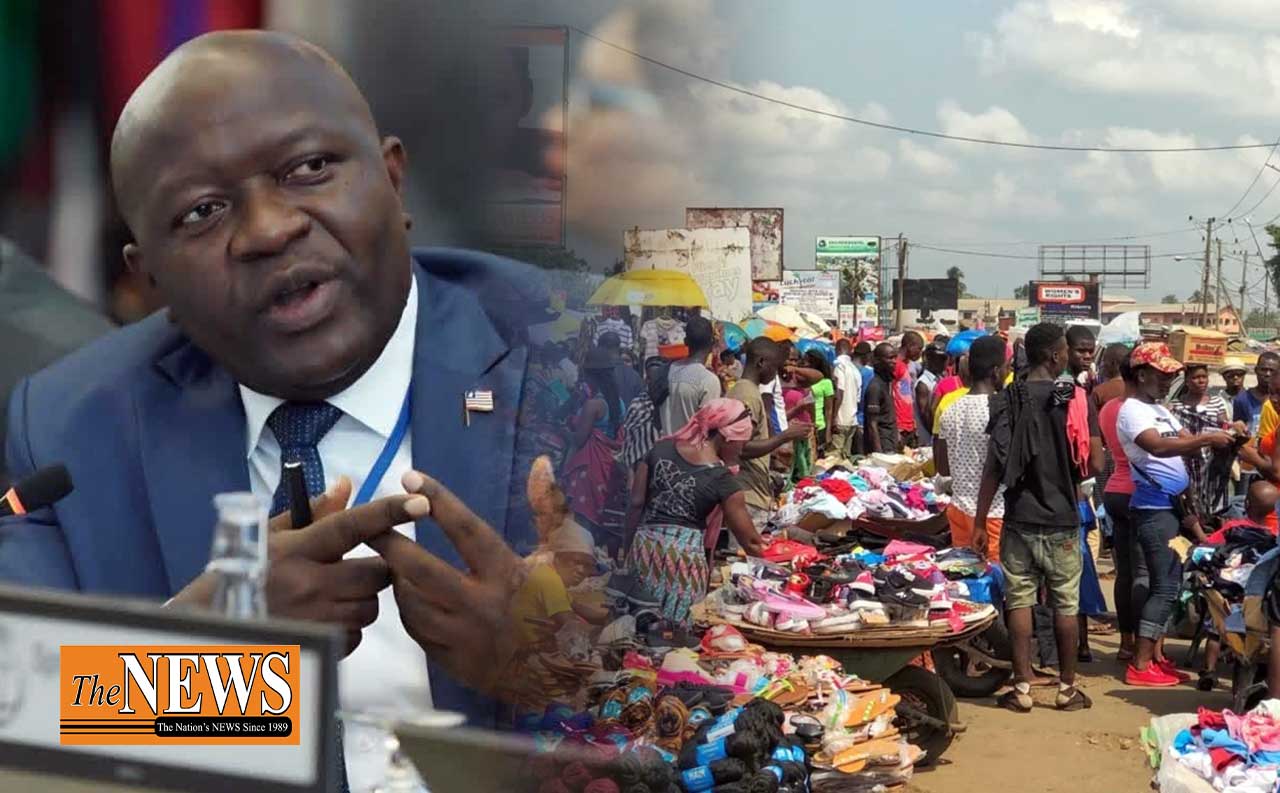
Despite these gains, the report says Liberia still faces major challenges, including heavy dependence on mining and imports, limited economic diversification, and weak access to finance. It notes that about 80 percent of employment is in the informal sector, making it harder for the country to raise enough revenue for development.
The AfDB estimates Liberia will need US$2.83 billion annually until 2030, with most of the funding required for road infrastructure, followed by education, energy, and research to improve productivity.
The Bank projects the economy will grow by more than 5 percent over the next two years but warns that falling donor support, commodity price shocks, and governance challenges could slow progress. It recommends stronger domestic revenue collection, more public-private partnerships, and greater investment from the private sector and Liberians living abroad to close the financing gap.