Liberia has received international recognition for ratifying the Convention on the Rights of Persons with Disabilities, but concerns over protection gaps and the government’s absence at a key global review have cast a shadow over that progress.
During a session held on March 17 in Geneva, the United Nations Committee on the Rights of Persons with Disabilities commended Liberia for submitting its initial report and taking policy steps toward inclusion. However, the review proceeded without a Liberian government delegation, raising questions about the country’s engagement at a critical moment for accountability. Committee experts acknowledged strides such as Liberia’s National Action Plan on Disability Inclusion (2023–2027) and the Inclusive Education Policy, describing them as signs of commitment. However, they warned that these frameworks must translate into tangible protections for persons with disabilities nationwide.
The Committee flagged troubling reports of harmful traditional practices affecting women and girls with disabilities, including exposure to gender-based violence and female genital mutilation.
Concerns were also raised over outdated laws that still equate disability with incapacity, as well as the continued use of guardianship systems that deny individuals full legal autonomy. Equally alarming were reports of physical and medical restraints, including shackling, in homes, institutions, and so-called healing centers, highlighting what experts described as systemic failures in safeguarding dignity and human rights.
However, committee Taskforce member Alfred Kouadio Kouassi noted that while Liberia’s policy direction is commendable, sustained action is crucial. He urged the government to fully adopt inclusive principles and use the Committee’s recommendations as a roadmap for reform.
Echoing these concerns, Committee expert Gertrude Oforiwa Fefoame pressed for clarity on measures to protect women and girls with disabilities, particularly in rural areas where access to justice and support systems remains limited.
Beyond legal protections, the Committee highlighted persistent barriers in education, healthcare, and employment. Children with disabilities continue to face exclusion from schools due to a lack of accessible materials such as Braille and sign language services, while many adults encounter limited job opportunities and weak social protection systems.
Accessibility across public infrastructure, transportation, and government digital platforms also remains a major hurdle, further isolating persons with disabilities from full participation in national life.
The Committee is now urging Liberia to harmonize its domestic laws with international standards, ratify the Optional Protocol to the Convention, and strengthen mechanisms for reporting and addressing abuse.
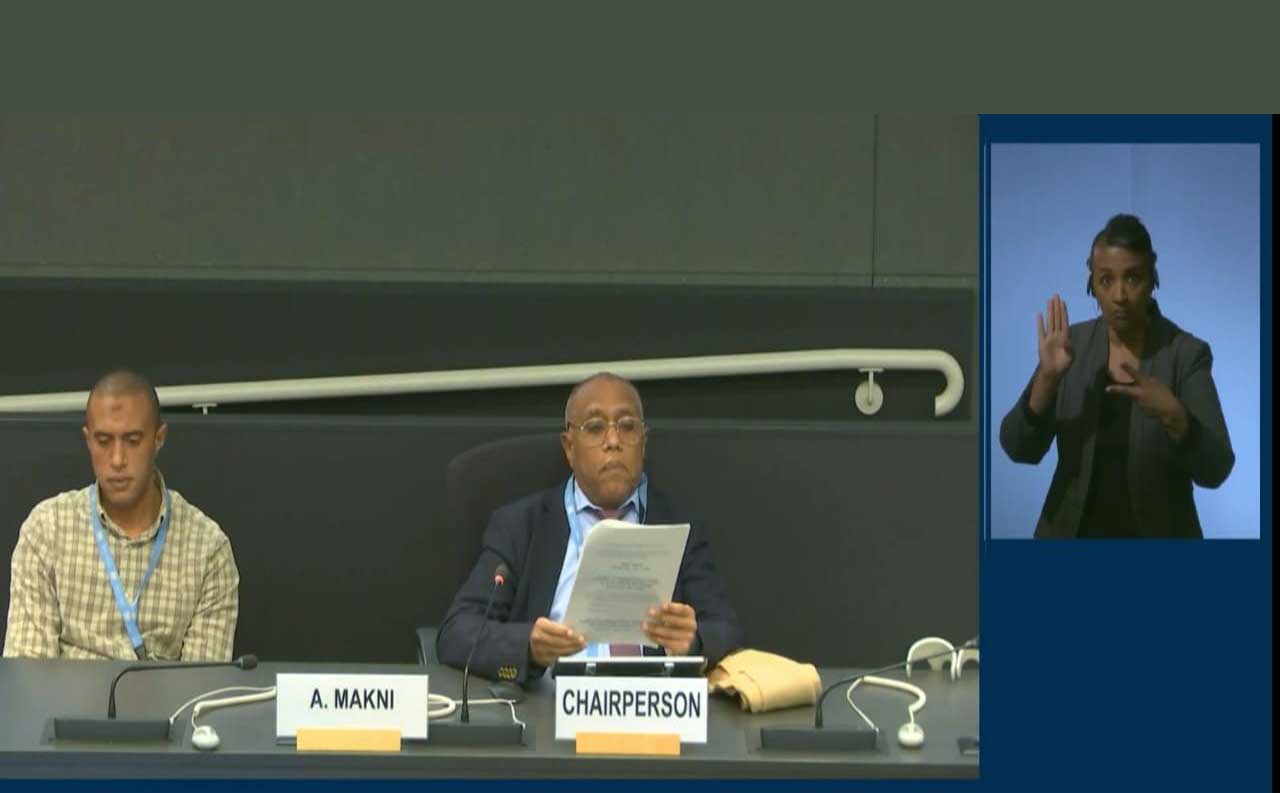
Speaking, Vice Chair Abdelmajid Makni emphasized that the Committee’s concerns are intended to support, not condemn, the country’s progress. He expressed hope that Liberia will submit detailed written responses and re-engage in the dialogue moving forward.
For many advocates, the message from Geneva is clear: while Liberia has taken important first steps, the real test lies in turning commitments into concrete protections for some of the country’s most vulnerable citizens.