The Professional Educators Association of Liberia (PEAL) has announced a major leadership transition, reaffirming its commitment to strengthening professionalism, accountability, and quality assurance in Liberia’s education sector amid growing national and global pressure to reform learning systems.
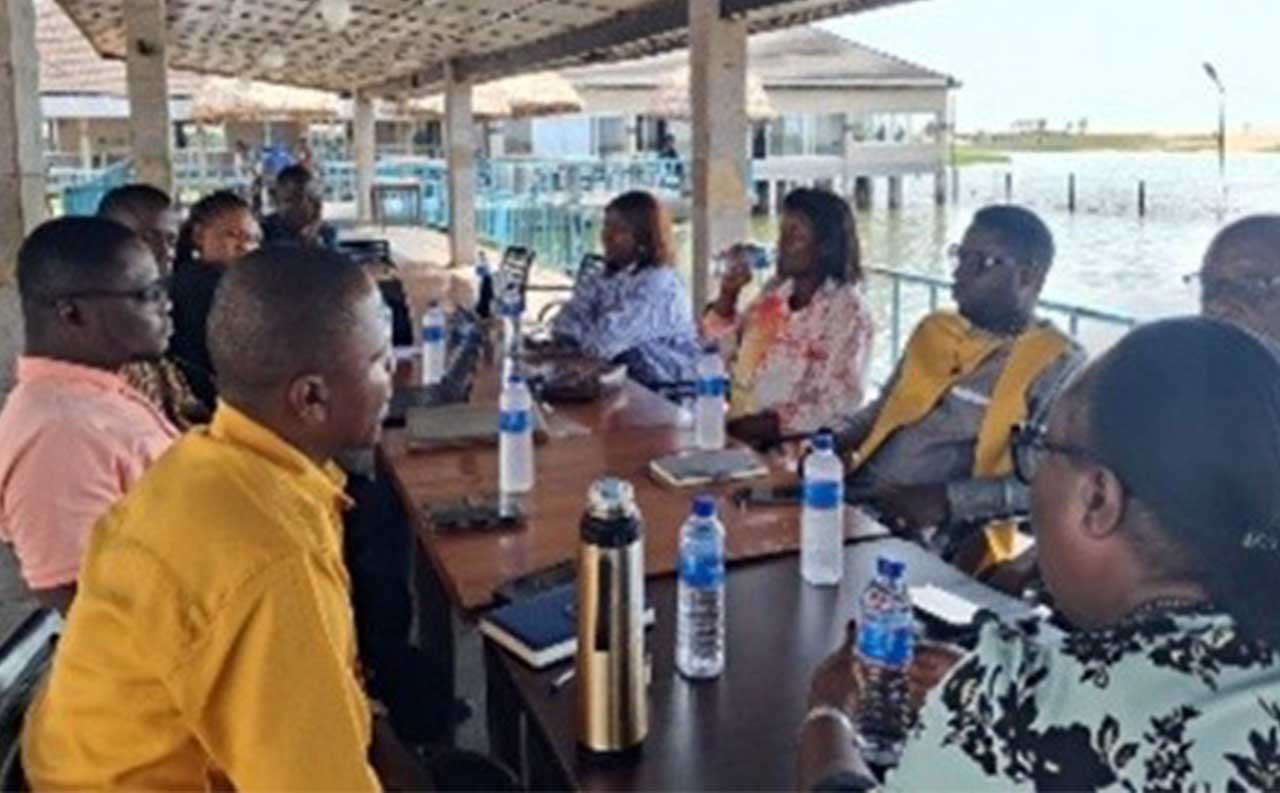
The announcement was made following PEAL’s General Assembly held on Friday, January 9, 2026, at the Ala Lagun Resort in Congo Town, bringing together educators, policy advocates, and institutional leaders from across the country. At the meeting, Dr. Charles Gbollie officially assumed office as President of PEAL, succeeding Dr. Cecelia Cassell, who stepped down after her recent appointment as Executive Director of the National Commission on Higher Education (NCHE)—Liberia’s apex regulatory body for tertiary education.
Leadership Transition Anchored in Continuity Members of the Association paid glowing tribute to Dr. Cassell, crediting her tenure with strengthening PEAL’s institutional credibility, deepening professional advocacy, and positioning the Association as a key stakeholder in national education policy discourse.
In a move signaling continuity and stability, the General Assembly retained Dr. M. Blonkanjay Jackson, PEAL’s Lead Founder, as Chairman of the Board, while endorsing Dr. Cassell as a Board Member, ensuring sustained institutional memory and strategic guidance. The Assembly further endorsed Naomi Marjay Gboyah as Acting Vice President, Mrs. Gbimah Bahtokpah as Spokesperson, Lydia Amoslyn Matthews as General Secretary, Darric Dennis as Chair, Planning and Programs Committee, Ransford S. Nimely as Chair, Membership Committee and Paulyn Passawee, retained as Chaplain, among others.
The leadership configuration reflects PEAL’s stated commitment to inclusive governance, gender representation, and professional diversity. According to national education sector reviews and UNESCO-aligned assessments, the country grapples with persistent teacher shortages, particularly in rural areas, a high proportion of unlicensed or underqualified teachers, weak education data systems and limited research-driven policy implementation
Globally, UNESCO estimates that Sub-Saharan Africa will need over 15 million additional trained teachers by 2030 to meet Sustainable Development Goal 4 (SDG 4), a target Liberia has committed to but cannot fully achieve without systemic reforms. In his acceptance address, Dr. Gbollie reaffirmed PEAL’s vision of an education system that is professional, inclusive, and aligned with global standards.
“Liberia’s education transformation must be driven by professionalism, accountability, and evidence-based engagement. PEAL will remain a catalyst for reform, not a spectator,” Dr. Gbollie said. He emphasized that the Association will prioritize professionalization of educators, teacher licensing and career progression.
Dr. Gbollie pledged to work closely with PEAL’s Board, members, government institutions, and international partners to strengthen the Association’s national relevance and policy influence. During deliberations, Board Member Dr. Benjamin Wehye challenged the Association to move beyond rhetoric. “Advocacy must be backed by documentation, research, and measurable outcomes if we are to influence national policy and donor confidence,” he stated. The call aligns with PEAL’s renewed strategy to expand policy-informed research, strengthen education data utilization, and collaborate with local and international research and development institutions.
PEAL reaffirmed its dedication to supporting the full implementation of Liberia’s education laws, while advancing international commitments. The Association also emphasized its role in ensuring qualified educators actively participate in education governance and decision-making processes, a long-standing gap in sector leadership. With renewed leadership and a unified vision, PEAL says it is poised to play a more assertive role in shaping Liberia’s education future, working alongside policymakers, educators, and development partners to elevate the teaching profession and contribute meaningfully to national development.