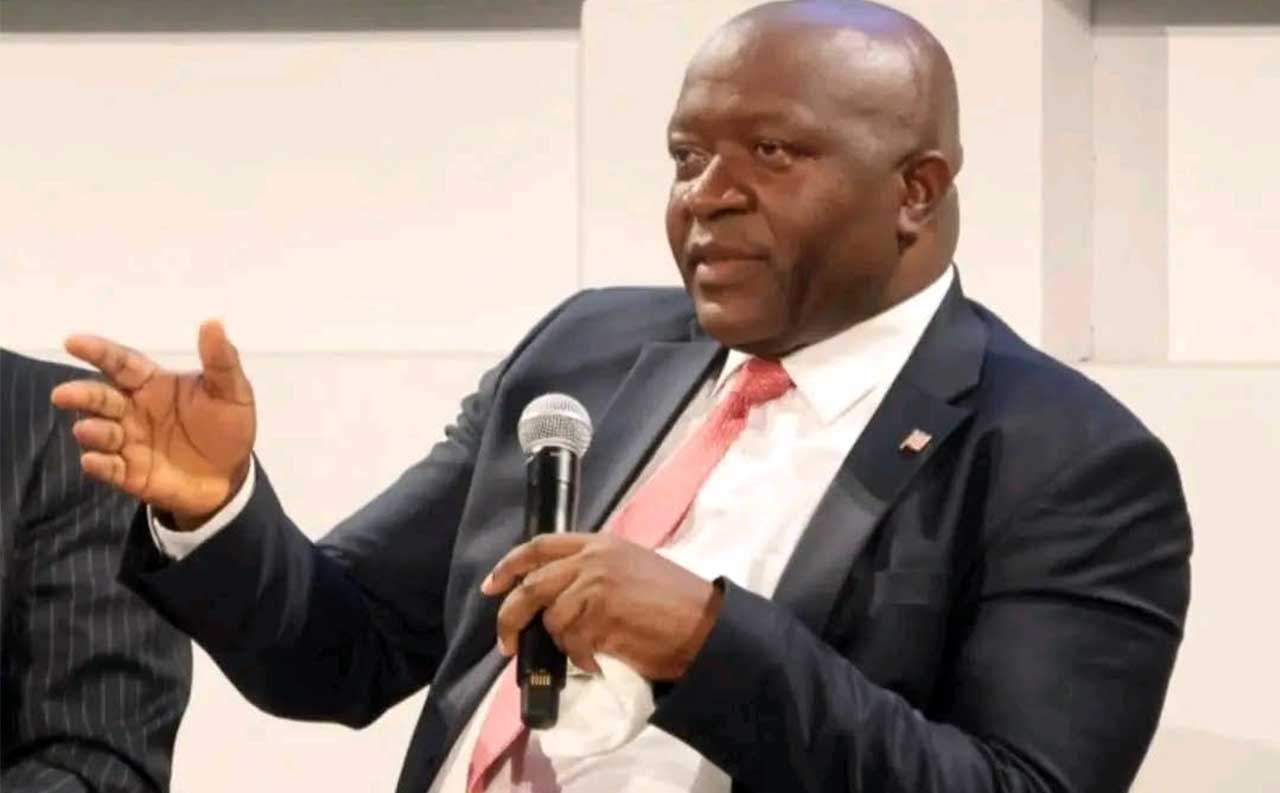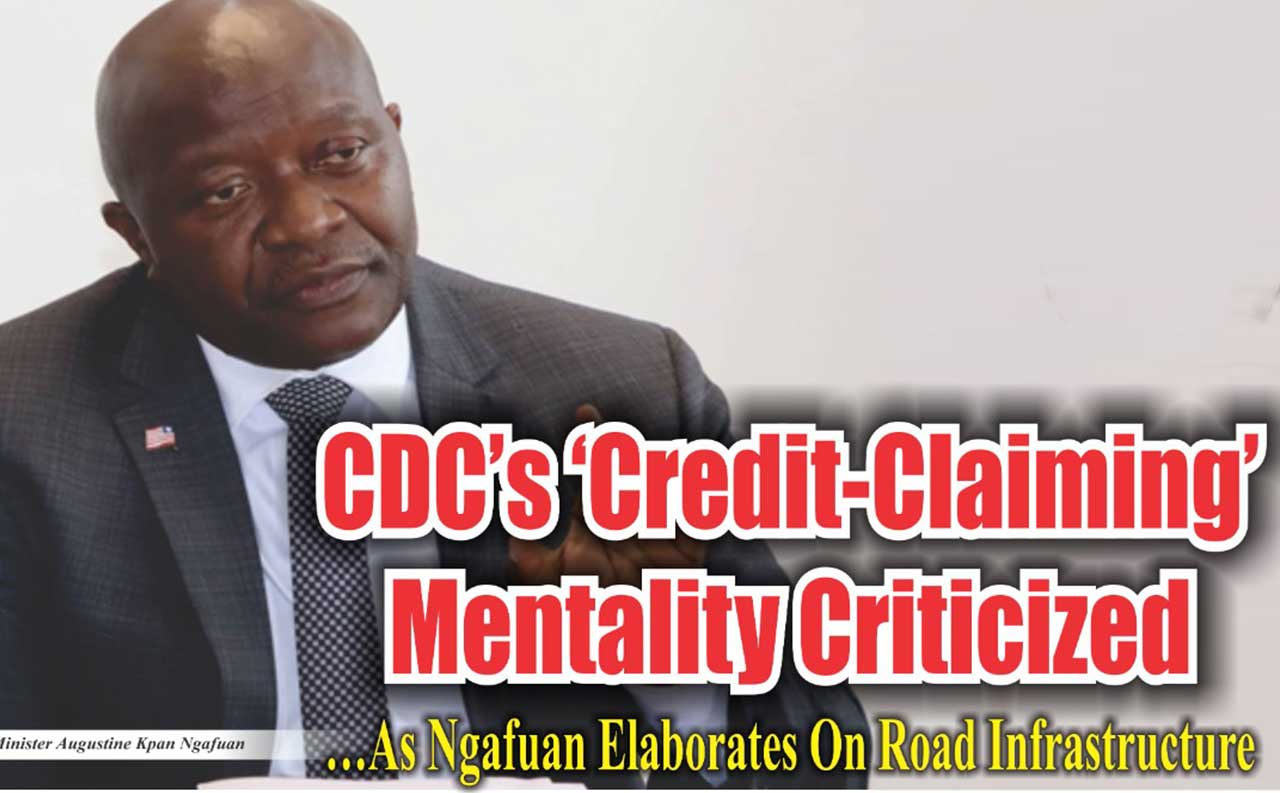
Liberia’s Minister of Finance and Development Planning, Augustine Kpan Ngafuan, has criticized the George Weah–led former administration’s habit of “boasting and politicizing” national road projects, insisting that roads are public goods meant for citizens, not political trophies for any government.
Speaking on Wednesday, January 28, 2026, during a press engagement at the Ministry of Finance, the minister said the constant attempt by past officials to brand roads as achievements of a single regime undermines the very purpose of development. He explained: “Roads are not for President Boakai, or any legislator; they are projects for the Liberian people, and it is the Liberian people who should ultimately be proud.”
While distancing himself from partisan credit-taking, the minister acknowledged that the Weah administration implemented several projects inherited from former President Ellen Johnson Sirleaf. However, he rejected what he called selective storytelling that ignores continuity in governance. Ngafuan said, “If we start talking about credit, I personally could take plenty,” noting that he signed the US$249 million World Bank agreement for the Red Light-Ganta-Guinea border road during the Sirleaf era.
He told journalists that major road corridors such as Monrovia, Ganta, Fish Town, and Harper were conceived and partly executed before 2017, stressing that development progresses in phases across administrations. “Should we now call them EJS roads, CDC roads, or Ngafuan roads? Or should we simply call them the Liberian people’s roads?” he asked.
The finance minister also pointed to ongoing projects like the Barclayville, Sasstown, and Kpayan road, which he said were initiated under the CDC government but are being advanced by the current administration through budgetary allocations to settle outstanding obligations with financiers, including the ECOWAS Bank for Investment and Development.
“When I came in, one of the first things I inherited was unpaid commitments,” he disclosed. Using a vivid analogy, the Minister likened national development to constructing a ten-story building, where each government adds floors rather than demolishing what predecessors built.
“You don’t curse a building because another regime poured the foundation; if you do that, you will lose that game,” the Finance Minister added, He extended the argument beyond roads, citing electricity and health infrastructure, including the long-delayed new Redemption Hospital project, which began in 2016 but remains unfinished.
Minister Ngafuan noted, “When it is dedicated, whose project will it be? Again, the Liberian people’s.”
Addressing criticism that road investments do not solve bread-and-butter issues, the minister dismissed claims that citizens prefer short-term handouts over infrastructure. He said nationwide consultations revealed that roads were the primary priority across counties, including Lofa, Maryland, and the Southeast.
“Connectivity is central to food prices, transportation costs, and livelihoods. Improved roads have already reduced travel time and costs to southeastern Liberia,” he stated. In a final rebuke to political grandstanding, the finance minister urged leaders to abandon regime-based accounting of development. “This is not about who scored which goal; it is about passing the ball so Liberia can win,” he indicated.