The Government of Liberia has launched an ambitious push to transform the country’s fisheries sector into a major engine of economic growth, unveiling key investment opportunities and reforms at the inaugural National Fisheries Investment Conference.
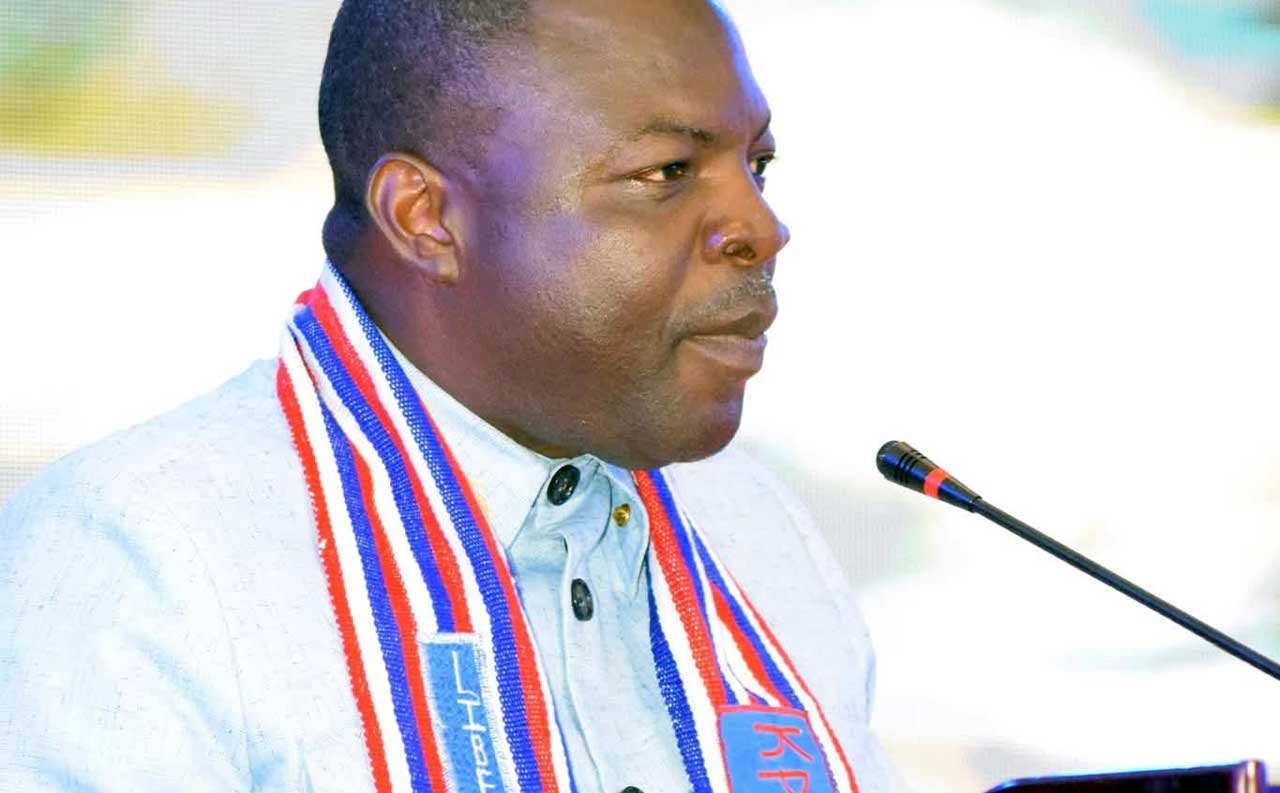
Speaking Monday, March 30, 2026, at the opening of a two-day National Fisheries Investment conference in Margibi County, with the nickname “KPONGAMA,” National Fisheries and Aquaculture Authority (NaFAA) Director General J. Cyrus Saygbe Sr. described the conference a turning point to unlocking Liberia’s vast marine resources while addressing long-standing challenges in the sector.
According to him, held under the theme, “Unlocking the Blue Horizons: The Future of Fisheries and the Blue Economy,” the gathering brought together ministers, investors, development partners, and fisheries stakeholders from more than 21 countries.
Director General Saygbe narrated that Liberia’s waters, stretching 200 nautical miles into the Atlantic Ocean, were highlighted among the richest fishing grounds in the Gulf of Guinea, with an estimated 254,000 metric tons of demersal species and 94,000 metric tons of pelagic species. He described these resources as critical to food security, youth employment, and national development.
Despite this potential, the NaFAA boss acknowledged that illegal, unreported, and unregulated fishing, along with weak infrastructure and limited processing capacity, has long deprived the country of maximum benefits from the sector.
“This gathering is not merely about fisheries, it is about charting a new course for national prosperity,” he said. According to him, the initiative aligns with the government’s ARREST Agenda for Inclusive Development and broader regional and global frameworks, including the African Union Blue Economy Strategy and the United Nations Sustainable Development Goal 14 on life below water.
Also, Director Saygbe used the platform to present three major investment priorities: the construction of an industrial fishing harbor, modernization of industrial fisheries through private sector participation, and expansion of aquaculture and inland fisheries. He made a strong appeal to investors, declaring Liberia “open for business” and urging financial institutions and development partners to support innovative financing and long-term sector reforms.
Artisanal fishers, particularly women involved in fish processing and trade, were recognized as the backbone of the industry, even as the government pledged to improve infrastructure such as landing sites, cold storage, and logistics.
The conference, described as the first of its kind, is expected to shape Liberia’s 10-year fisheries management strategy and position the country as a regional leader in the blue economy. “This is not just an event, it is a turning point, as well as a call for collective action to transform Liberia’s fisheries sector into a sustainable driver of growth and opportunity,” he said.