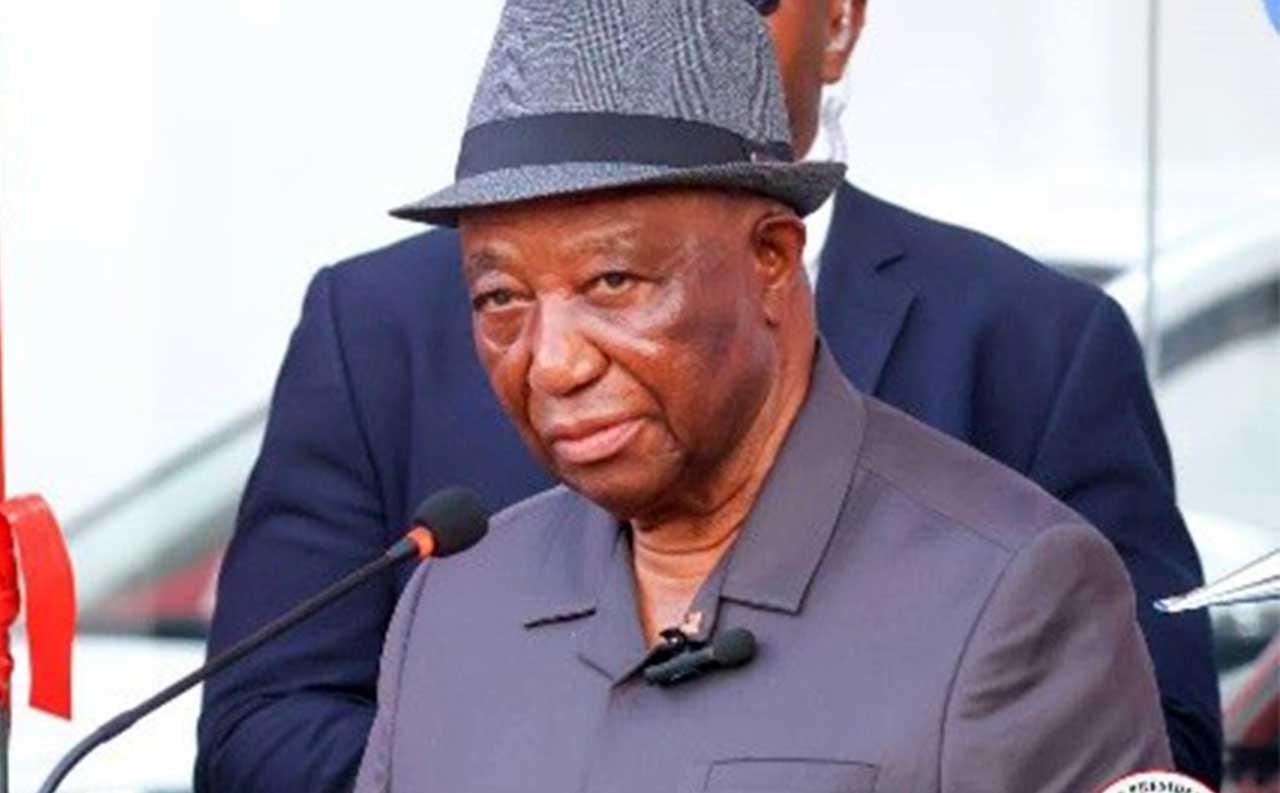
President Joseph N. Boakai is expected to deliver his state of the nation address today from the chambers of the Legislature on Capitol Hill as he presents his legislative agenda to lawmakers. Today’s address is the third since taking office in 2024. The annual address is delivered in keeping with Article 58 of the 1986 Constitution of Liberia, which states that “The President shall, on the fourth working Monday in January of each year, present the Administration’s legislative program for the ensuing session.”
The provision affirms the President’s responsibility to account to the people and chart a clear course for the nation’s future. For many Liberians, today’s address represents more than a constitutional requirement, it is a moment of national reassurance, where leadership speaks to the hopes, struggles, and resilience of a people determined to build a better country.
Since assuming office, President Boakai has repeatedly framed governance as a moral duty, emphasizing honesty, discipline, and service. Boakai is expected to highlight steps taken to stabilize the economy and lay the foundation for inclusive growth, with renewed focus on empowering local enterprise, creating jobs and strengthening Liberia’s productive sectors.
Education and healthcare, often described as the backbone of national development, are anticipated to feature prominently, with commitments aimed at improving access, quality, and opportunity for all Liberians. Additionally, infrastructure development, including roads, energy, and public facilities, will be framed as a pathway to national integration, opening doors for trade, mobility, and regional equity.
In a country shaped by a complex history, President Boakai is expected to speak to national unity, urging Liberians to rise above division and reaffirm their shared identity and destiny. Peace, security, and the rule of law are likely to be underscored as enduring achievements that must be protected and strengthened through responsible leadership and citizens’ participation.
At a time when public expectations remain high and patience is often tested; the President’s message is expected to balance realism with optimism, acknowledging challenges while inspiring confidence in collective action. For some supporters, the address offers reassurance that the administration remains committed to steady reform and long-term national interest. For critics, it presents an opportunity to measure vision against performance.
As Liberians tune in from towns, villages, and cities across the country and the diaspora, the address is expected to resonate as a call to purpose, reminding citizens that nation-building is not the task of one leader alone. In the words and tone of the President’s address, many will listen not only for policy, but also hope. Meanwhile, some Liberians believed that the address may also reflect on Liberia’s democratic maturity, emphasizing dialogue, respect for institutions, and cooperation among the Executive, Legislature, Judiciary, and civil society.