Liberia is on the brink of establishing a dedicated agricultural bank after the House of Representatives concurred with legislation creating the Agriculture Enterprise Development Bank of Liberia, a move lawmakers say could transform financing for farmers and agribusinesses.
The decision by the House clears a major legislative hurdle, leaving only presidential assent by Joseph N. Boakai to bring the new institution into force. The bill, sponsored by Joseph Kpator Jallah of Lofa County, was developed following recommendations from a joint House committee on Banking and Currency; Agriculture, Fisheries and Forestry; and Judiciary, Human Rights, Claims and Petitions.
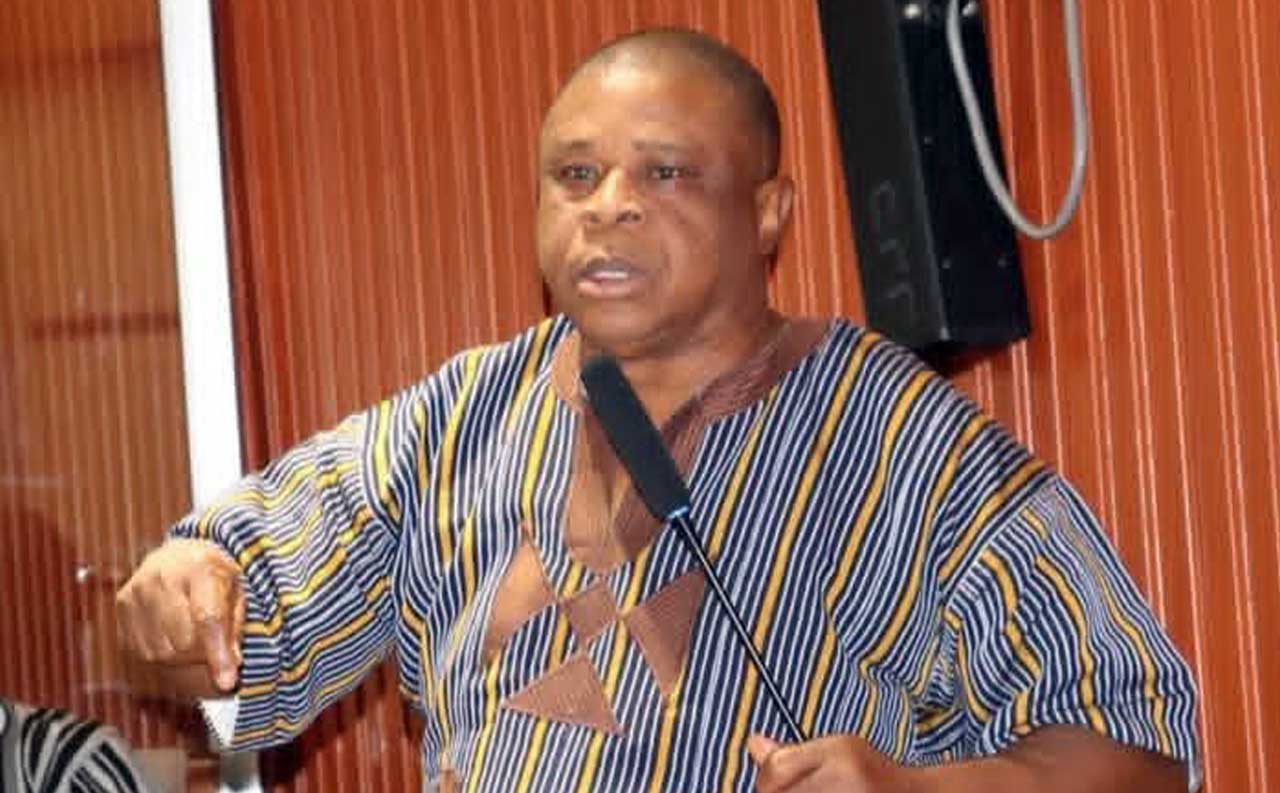
Its concurrence was formally communicated to the Liberian Senate, with notification read by the Senate Secretary ahead of transmission to the President. Speaking at Capitol Hill, Jallah described the initiative as a major policy shift designed to reposition agriculture at the center of Liberia’s economic agenda.
“This is more than the creation of a new bank. It is a national commitment to place agriculture, our largest employer and the backbone of rural livelihoods, at the center of Liberia’s development,” he said. Jallah, however, cautioned that passage of the bill is only the beginning. “Success will depend on disciplined implementation, strong partnerships and constant public accountability. When farmers succeed, the nation succeeds,” Lofa lawmaker added.
For years, farmers and agribusinesses have struggled to access credit due to rigid lending requirements in traditional banking systems. Long production cycles, climate risks, limited collateral and seasonal income patterns have continued to limit investment and productivity in the sector.
Under the proposed law, the bank will offer tailored loan products aligned with agricultural cycles, alongside technical services such as extension support, insurance facilitation, and market linkages.
The legislation also establishes governance and oversight structures, including a professional board, regulatory supervision by the Central Bank of Liberia, and fiscal oversight from the Ministry of Finance and Development Planning, with provisions for public reporting and independent audits.
However, lawmakers say the bank is expected to expand financial access for thousands of smallholder farmers and rural enterprises through a phased rollout supported by partnerships with public and private institutions, as well as development partners. If fully implemented, the initiative could boost food production, strengthen rural incomes, create jobs, and promote climate-resilient farming practices.