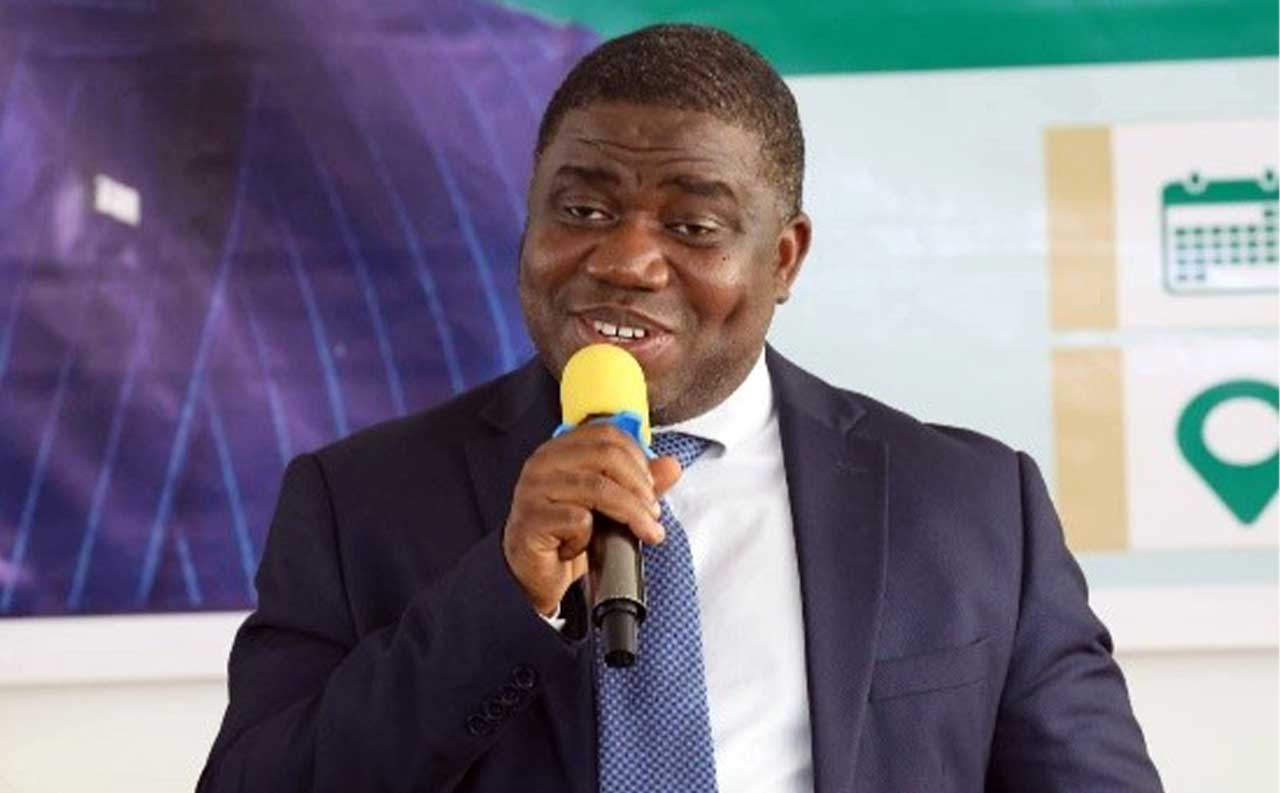
Deputy Minister for Economic Management, Dehpue Zuo, has opened a Debt Sustainability Analysis (DSA) Training Workshop in Kakata, stressing that prudent financing decisions are critical to achieving Liberia’s development goals.
Deputy Minister Zuo emphasized that while Liberia continues to pursue ambitious investments in infrastructure, job creation, and social services, equal attention must be given to how those investments are financed to ensure long-term economic stability.
He described Debt Sustainability Analysis as a vital strategic tool for national planning, noting that it helps policymakers determine safe borrowing limits, assess the impact of economic shocks, and identify appropriate policy measures to sustain inclusive growth.
The Deputy Minister acknowledged progress made in strengthening macroeconomic management, improving domestic resource mobilization, and advancing public financial management reforms. However, he pointed out that Liberia’s significant development needs, including investments in roads, energy, agriculture, human capital, and climate resilience, continue to place pressure on public borrowing.
He stressed that building strong national capacity for debt sustainability analysis is essential, particularly as the government implements its national development plans and medium-term expenditure frameworks. According to him, DSA should guide decisions on public investment prioritization, borrowing strategies, risk management, and the coordination of financing sources.
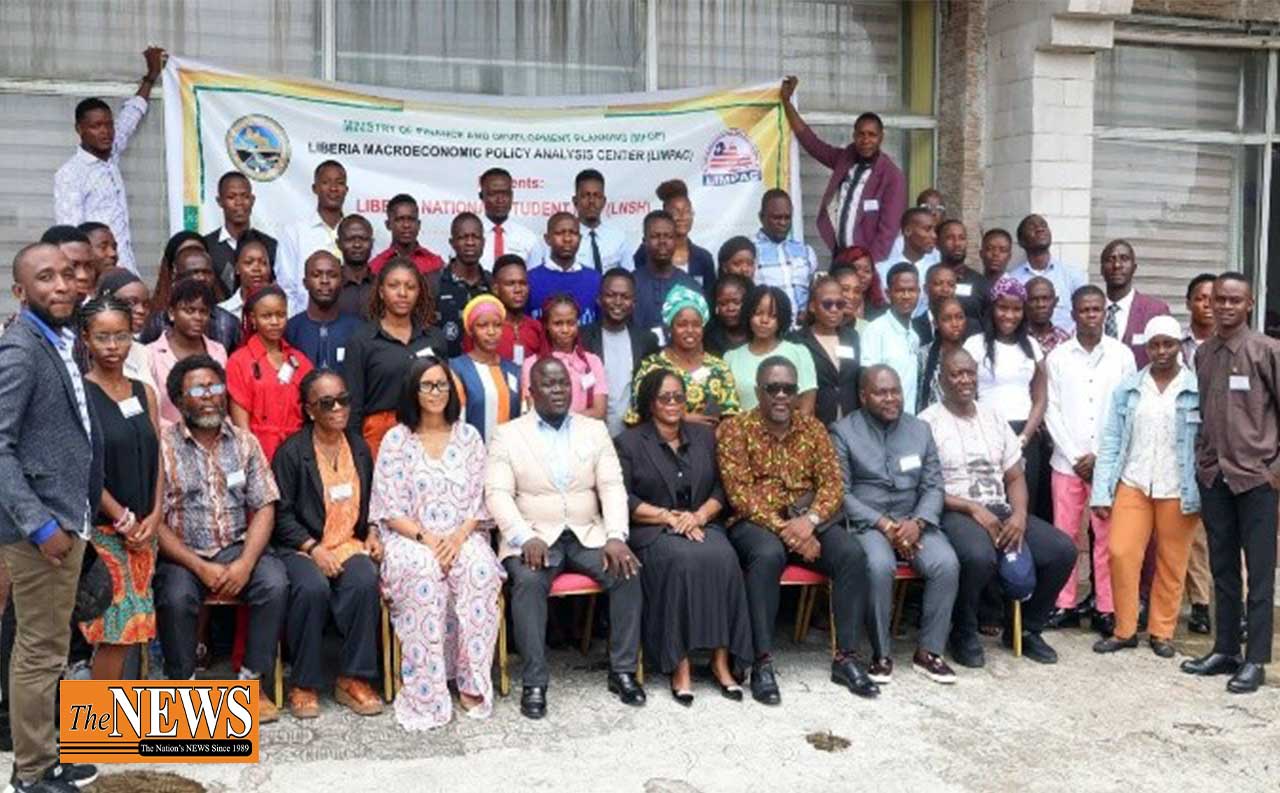
The workshop brings together technical staff from key institutions, including the Ministry of Finance and Development Planning. It aims to deepen participants’ understanding of the DSA framework, strengthen analytical capacity, and integrate DSA into planning and policy processes.
Deputy Minister Zuo also outlined three guiding principles for sustainable debt management: alignment with national priorities, transparency and data quality, and strong coordination among institutions.
He expressed appreciation to development partners, including the International Monetary Fund, the World Bank, and the African Development Bank, for their continued technical and financial support to Liberia’s economic reform agenda.