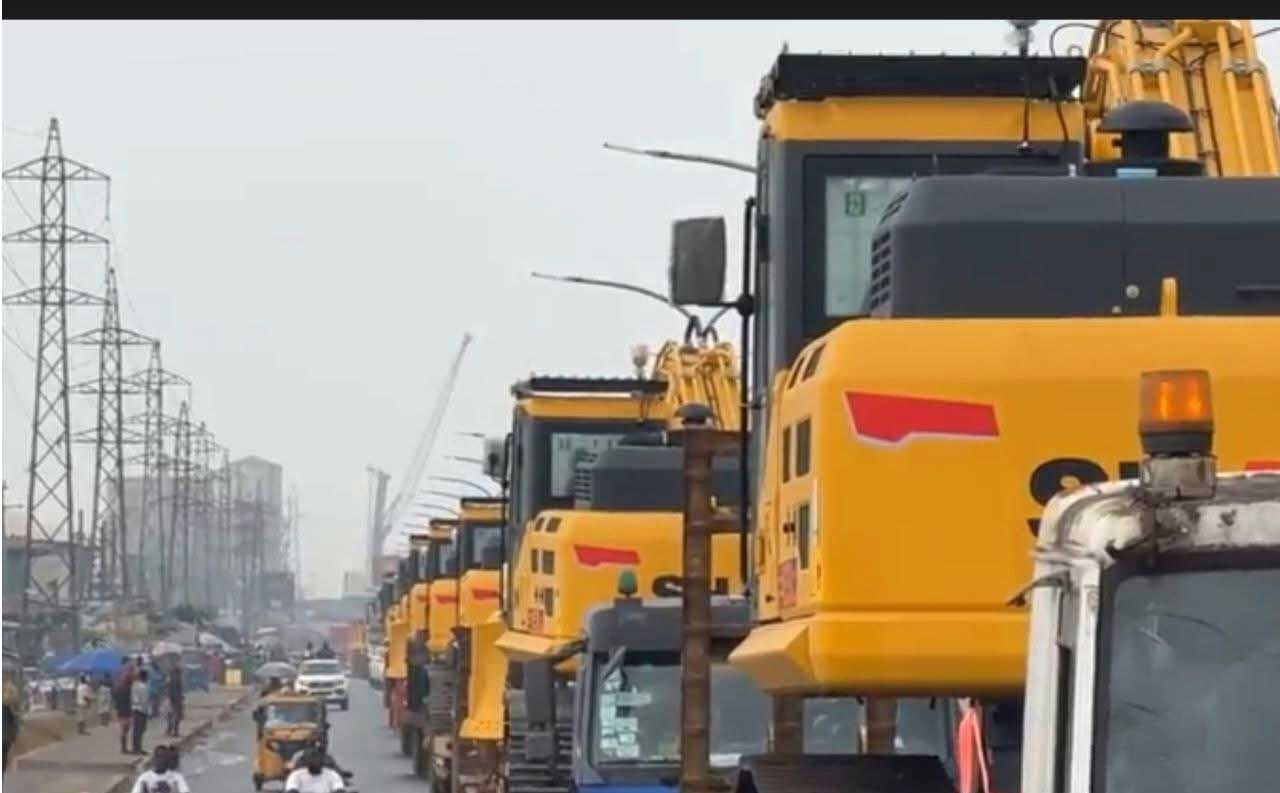
Hopes are high as the ground trembled beneath the weight of steel with movement of the first batch of 137 earthmoving machines on Thursday, February 26, 2026 from the Freeport of Monrovia. As Liberians lined the sidewalks to witness what they called ‘a promise fulfill’ by the Boakai administration, they were seen cheering with smiling faces while the 137 yellow machines were driven in a convoy to a military barracks in Careysburg for security protection.
Under the watch of officials from the Board of Authority of the yellow machines, National Port Authority and security personnel, the long convoy of bulldozers, excavators, graders and compactors slowly rolled out of the Freeport of Monrovia. For many citizens, who gathered at the port, the moment carried symbolism far beyond machinery.
“This is what development looks like. If these machines reach the counties and work, our roads will change,” said a commercial driver, Moses Wleh, who stopped driving to witness the departure equipment.
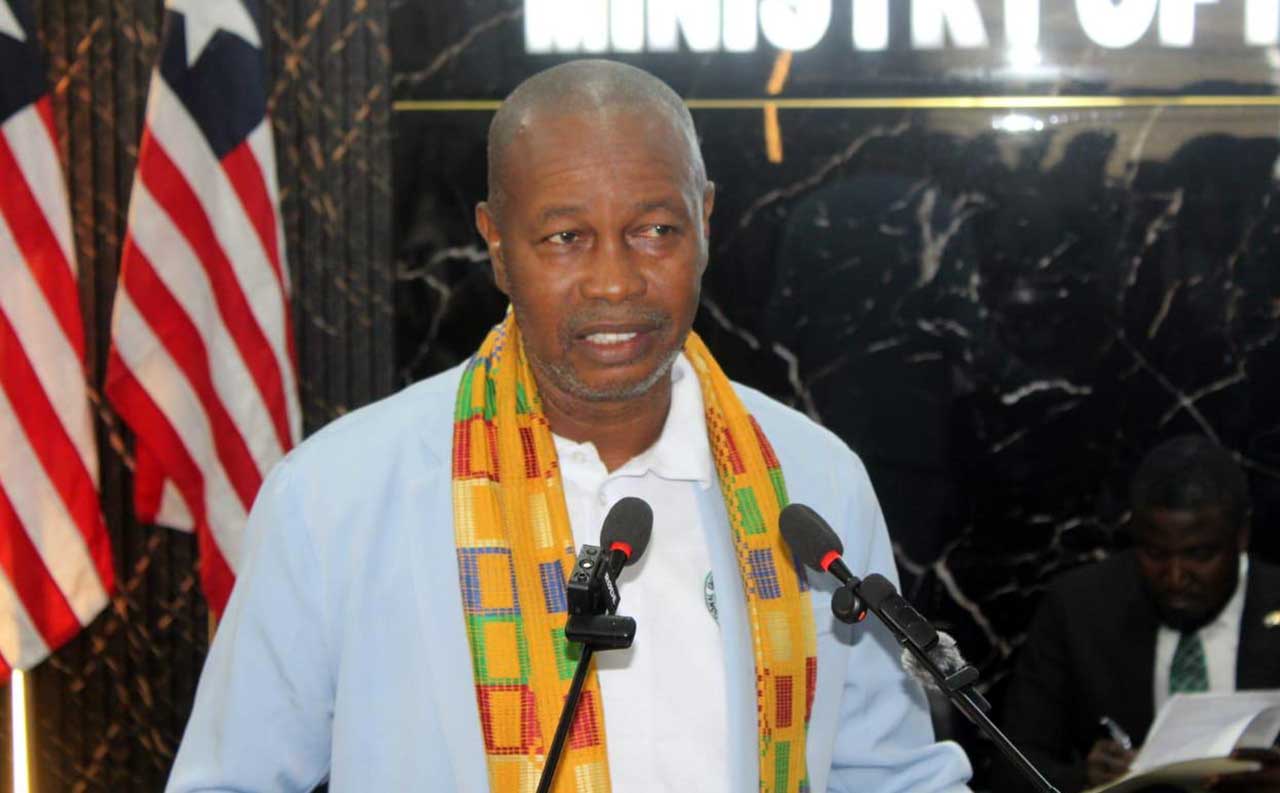
The equipment forms the first batch of heavy-duty road construction units procured by the Government of Liberia as part of a broader infrastructure push aimed at addressing longstanding road problem. Speaking Monday, as he visited the Freeport of Monrovia to tour the machines, President Joseph Nyuma Boakai said the machines will be deployed across the country to rehabilitate primary, secondary and feeder roads, many of which become nearly impassable during the rainy season.
Standing near the port’s main corridor as the convoy assembled, engineers coordinated movement in tight formation. Operators, some waving from elevated cabs, maneuvered the machines carefully onto the road amid tight security.
The spectacle briefly transformed the usually industrial port into a scene of national attention. Motorcyclists slowed. Market women left their stalls to watch. Young people filmed live videos, narrating the moment as a “historic rollout.” “This is a critical step, but deployment, maintenance and transparency in usage will determine whether this investment truly benefits the Liberian people,” a stander-by said.
For residents watching from the roadside, the departure was more than a logistical exercise; it was a test of trust. “Let them go and work. We are tired of promises. We want roads,” they added.