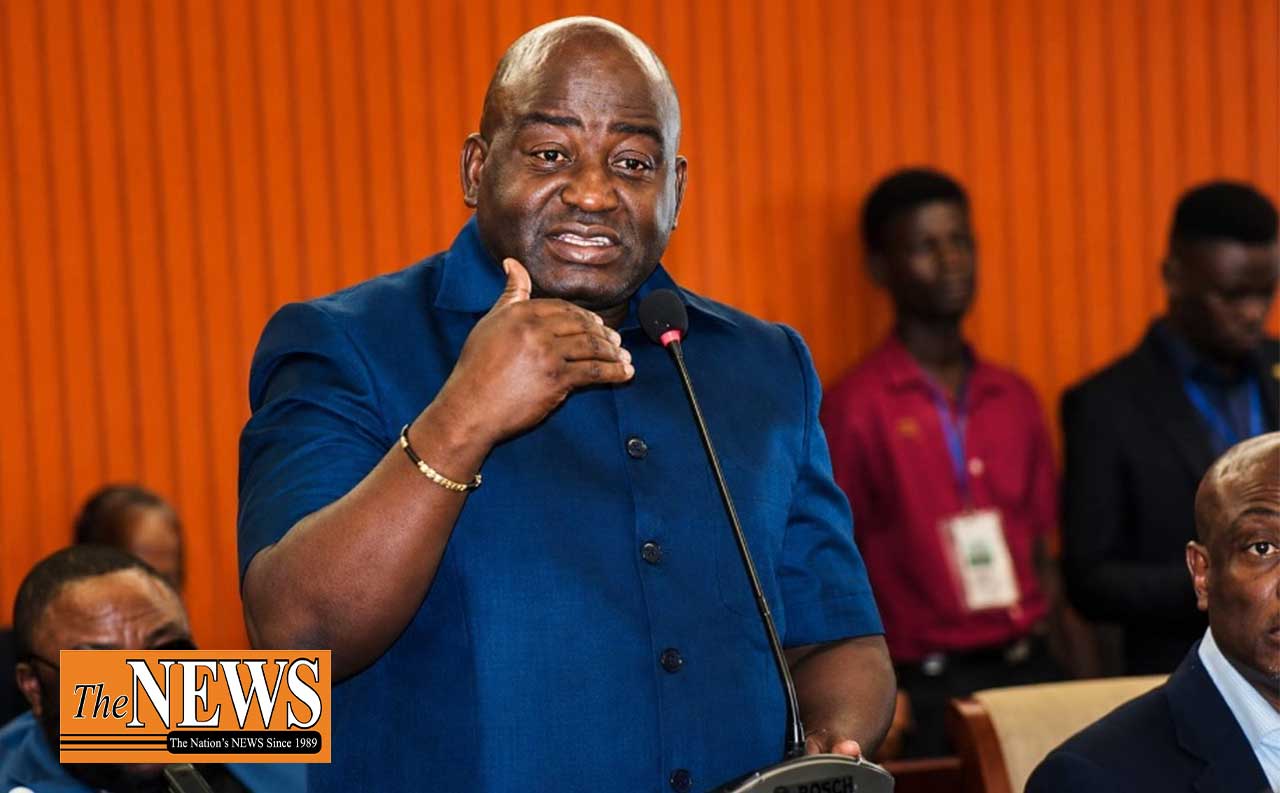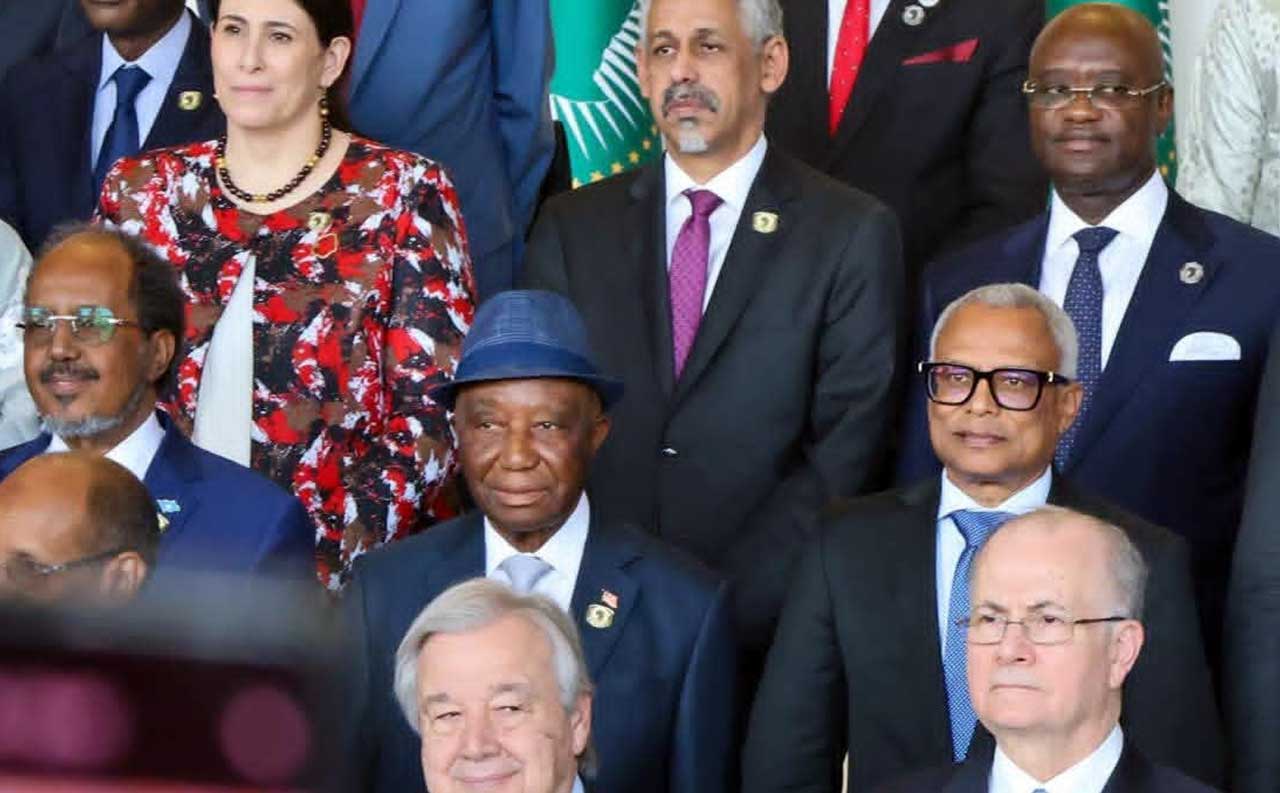
President Joseph N. Boakai has issued a forceful call for sweeping reform of the United Nations, declaring that the global body stands at “crossroads”, urging Africa to assert a unified and decisive voice in shaping both its future direction and the selection of the next UN Secretary-General.
Addressing Heads of State and senior diplomats at a High-Level Breakfast Consultation in Addis Ababa, Ethiopia, on Sunday, February 15, the Liberian leader warned that while the United Nations remains indispensable, it is struggling to respond effectively to today’s mounting global crises.
“For nearly eight decades, the UN has represented our shared hope that cooperation would prevail over conflict. Today, however, we must speak with honesty and clarity,” he added. According to him, the United Nations stands at a crossroads; as such, Africa must decide in which direction it would like to see it move.
The consultation, held on the margins of African Union engagements, brought together outgoing and incoming Chairs of the African Union, former Heads of State, and senior officials of the African Union Commission. During the gathering, President Boakai underscored Liberia’s historic connection to the UN, noting that Liberia is one of only four African nations that signed the UN Charter 80 years ago.
He indicated that Africa’s engagement with multilateralism is “neither recent nor peripheral,” stressing that the continent must no longer be a passive observer in reform discussions. However, Boakai acknowledged growing global calls for reform from multiple blocs, including European partners advocating efficiency and oversight, emerging powers such as China and India emphasizing equitable representation and development priorities, and the United States pushing for stronger accountability and management performance.
While welcoming renewed commitments by member states to settle outstanding financial obligations, Boakai cautioned that funding alone will not resolve the UN’s deeper structural weaknesses. “A UN that is underfunded cannot function effectively. Yet we must ask ourselves a deeper question: Does the payment of dues resolve the underlying challenges confronting the United Nations? Though very important, I believe the answer is no,” he told the gathering leaders and diplomats.
The Liberian leader argued that the Organization’s challenges are systemic, involving how mandates are implemented, how institutions coordinate, and how leadership navigates an increasingly fragmented global order marked by rivalry and declining trust. The President also highlighted the work of the African Union Committee of Ten (C10), which has led Africa’s coordinated engagement on UN reform, particularly regarding Security Council restructuring and representation.
Boakai’s remarks come at a critical juncture as the United Nations prepares for the selection of its next Secretary-General, a process he described as pivotal to the credibility and effectiveness of the institution. “This decision is not merely administrative. It will shape the tone, priorities, and credibility of the Organization at a time when global leadership is urgently needed,” Boakai said.
As the President addressed the breakfast meeting, these were some of his words: “Africa must not be a peripheral participant or passive observer in this process. As a continent that represents more than a quarter of UN member states and bears a disproportionate share of global challenges, Africa has both the responsibility and the right to articulate its expectations,” Boakai declared He urged African leaders to speak with unity and strategic clarity in shaping the future of the multilateral system. “The future of the United Nations will be shaped by those who choose to lead with clarity and courage. Africa must be among them,” he added. The address positions Liberia at the center of emerging diplomatic discussions ahead of the Secretary-General selection, signaling that Africa intends to move from the margins to the main table in determining the UN’s next chapter.