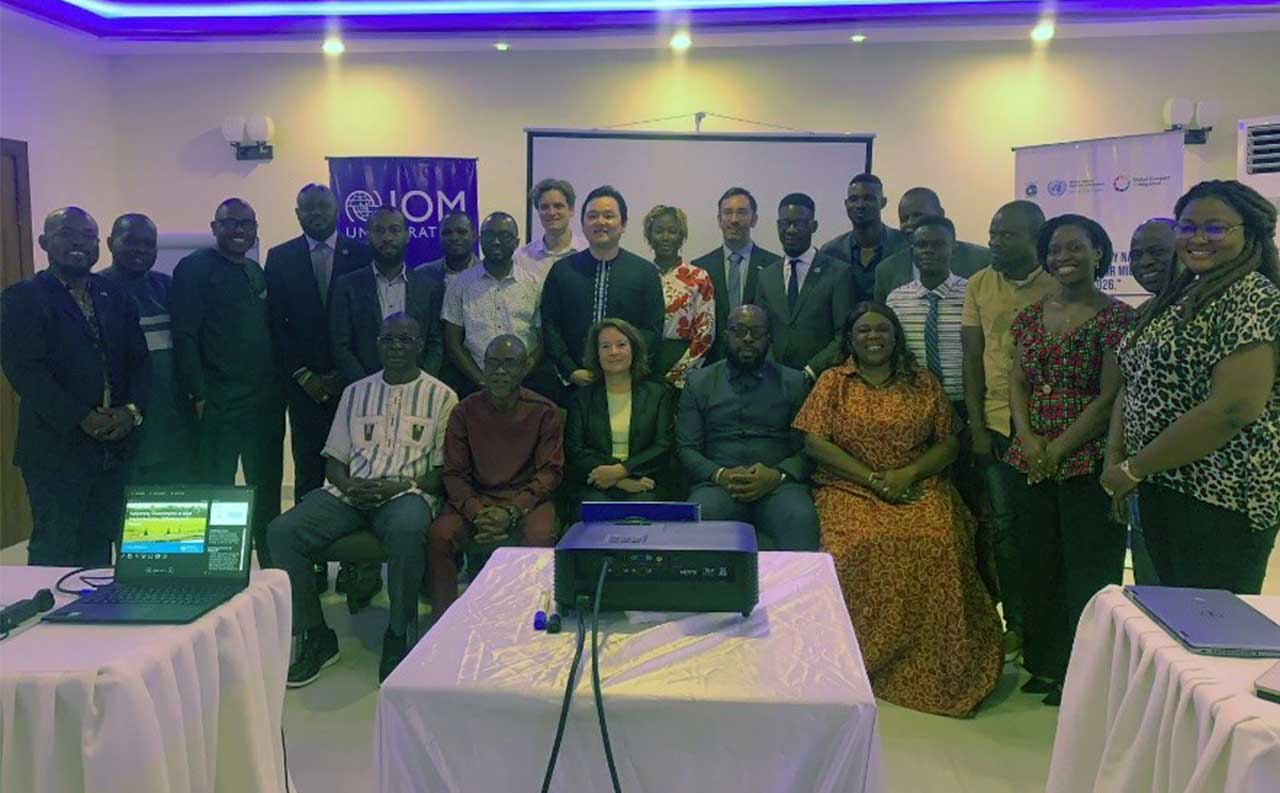
The United Nations Network on Migration, in partnership with the Government of Liberia, has concluded a one-day high-level workshop aimed at strengthening Liberia’s implementation of the Global Compact for Safe, Orderly and Regular Migration (GCM), an initiative funded by the European Union.
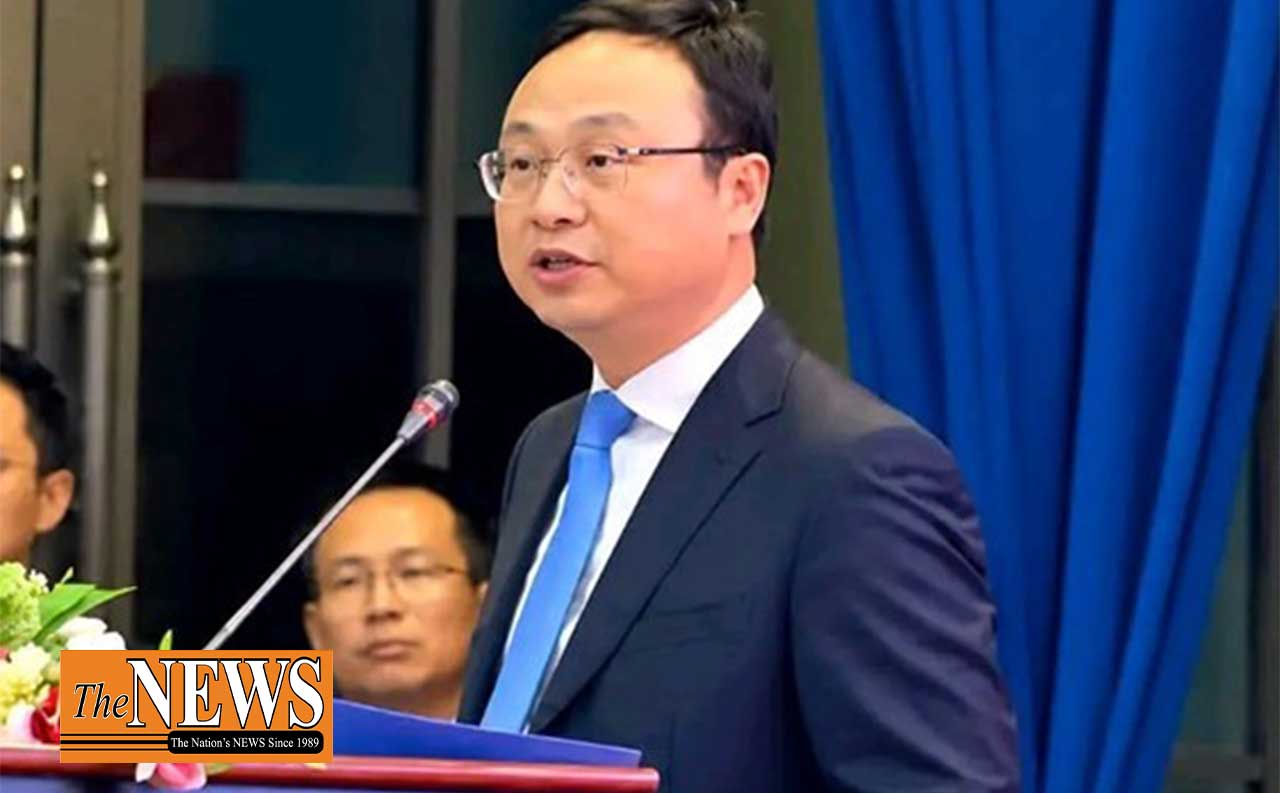
The workshop convened technical government officials, inter-ministerial working groups, regional and national stakeholders, civil society organizations, local NGOs, and United Nations agencies engaged in migration governance. Opening the session, Donghyuk Park, Chief of Mission of the International Organization for Migration (IOM) in Liberia, underscored the strategic importance of the GCM, describing it as Liberia’s first inter-governmentally negotiated agreement developed under the auspices of the United Nations.
He noted that the Compact provides a comprehensive framework for addressing all dimensions of international migration in a holistic manner. Park recalled that in July 2025, the UN Network on Migration organized Liberia’s first national GCM training for government officials, which attracted strong participation from across ministries and public institutions.
According to him, lessons from the engagements are now informing national policy processes and Liberia’s preparations for the 2026 International Migration Review Forum, highlighting the country’s growing leadership in integrating migration into inclusive development planning. Speaking on behalf of the Ministry of Foreign Affairs, Janice Malekebu, Consultant and Focal Person on Migration and Diaspora Affairs, emphasized the Ministry’s coordinating role in leading Liberia’s GCM review and reporting process.
She explained that the Ministry has been working closely with relevant government entities, academic institutions, and civil society organizations to collect data for the national GCM report and to review the country’s draft migration policy.
Malekebu noted that while Liberia has an existing draft national migration policy, it has not yet been finalized or updated to reflect current realities, indicating that with technical support from IOM and other partners, the ongoing process aims to revitalize and modernize the policy framework to better respond to emerging migration trends.
According to her, the forthcoming GCM report will provide a comprehensive overview of Liberia’s migration governance, outlining achievements, challenges, gaps, and priority actions, while ensuring broad stakeholder participation and national ownership. For his part, Mr. Erasmus Williams, Head of the Diaspora in the Office of the President of Liberia, highlighted the longstanding partnership between the Government of Liberia and IOM, particularly through diaspora engagement initiatives.
He described the GCM project as a strategic intervention, noting that members of the Liberian diaspora continue to make significant contributions to both their host countries and Liberia’s development through remittances, skills transfer, and community support.
Williams said that many migrants maintain strong social and economic ties to Liberia long before they are formally classified as members of the diaspora, reinforcing the need for inclusive and forward-looking migration policies. Representing the Transformation Collaboration for Peace Initiative, Mr. Richard Agbaji praised the critical role of local NGOs, civil society, and community-based organizations in migration governance. He said their grassroots presence is vital for public awareness, advocacy, and effective information sharing.
“We recognize these organizations as indispensable partners whose work strengthens inclusive migration governance and ensures that responses are grounded in dignity, trust, and community ownership,” Agbaji stated. The GCM project, Liberia’s first inter-governmentally negotiated migration framework, is built around 23 objectives and 10 guiding principles. It promotes international cooperation on migration governance and provides a comprehensive menu of policy options to help member states address key migration challenges in a coordinated and rights-based manner.