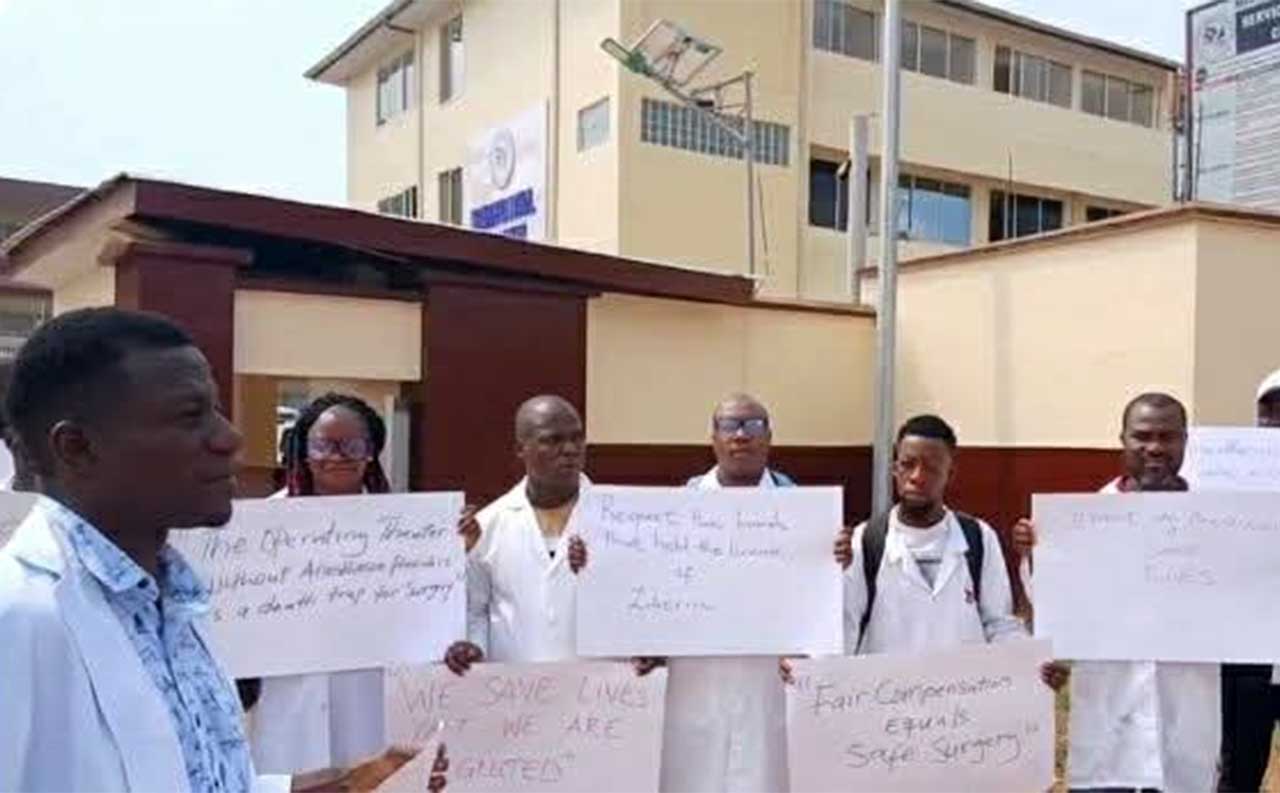
A strike action by the Liberia Association of Nurse Anesthetists (LANA) has affected hospitals in eight counties, leaving patients without access to critical medical care due to a salary increment dispute. Speaking to reporters at the Capitol Building during the weekend, Mehnpaine Dolo, the spokesperson of LANA, said they are committed to ensuring safe anesthesia and quality surgical care for all Liberians, stating that the Association has collaborated over the years with government institutions, private entities, and international partners to strengthen anesthesia services nationwide. Despite these contributions, anesthesia providers continue to face long-standing undercompensation and policy neglect, conditions that have persisted for more than a decade.
Dolo noted that government’s refusal to implement the validated mid-level health workers policy, including its anesthesia component, approved under the previous administration, represents a major setback to workforce stability and good governance. He said this policy provides a structured pathway for salary progression, rural service incentives, opportunities for professional advancement, and integration into the national pay grade system. However, to date, no alternative framework has been presented, a vacuum that undermines the profession and threatens the sustainability of anesthesia services nationwide.
Dolo indicated that Liberia, with a population of approximately 5.2 million, continues to face one of the highest maternal and newborn mortality rates globally. Yet, fewer than 125 licensed anesthesia providers currently serve the entire nation. He narrated that several counties refer surgical patients to Monrovia due to the absence of anesthesia providers, limiting access to essential surgical care and compromising patient safety.
He emphasized that although anesthesia providers are classified as essential staff, their compensation does not reflect the level of clinical responsibility, risk exposure, or workload they bear. Key challenges include the absence of a nationally approved anesthesia salary policy, persistent undercompensation in the public sector, severe workforce shortages, excessive workload, and a lack of housing, particularly for rural providers. Those without a salary below 415 USD and 600 are subject to high tax deductions. According to him, only two institutions are paying anesthesia providers per the regional benchmarks.
The LANA spokesperson revealed that to become an anesthesia provider in Liberia requires 10-11 years of basic education, 3-4 years of professional nursing education, and 3-4 years of post-basic training. Many providers hold master’s degrees and serve as lecturers in anesthesia institutions, yet they continue to earn below a sustainable living standard. This neglect, he mentioned, has led to early retirement and a lack of attention to the profession and the loss of skilled professionals critical to national health delivery.
The Association wants the government to align compensation with national health priorities, calling on all health stakeholders to adopt a national framework policy for anesthesia pay grades without delay. Dolo called for an established minimum national salary benchmark where anesthesia provider clinicians earn $1,060, clinical supervisors earn $1,200, and anesthesia educators earn $1,500. Additionally, a rural services allowance of $250 plus housing facilities should be established, and more accredited anesthesia training institutions should be created to meet regulatory standards and address workforce shortages. It is noted that the petition represents a defining moment for anesthesia practice in Liberia, calling for national leadership to drive a policy direction that will ensure fair compensation and professional recognition.
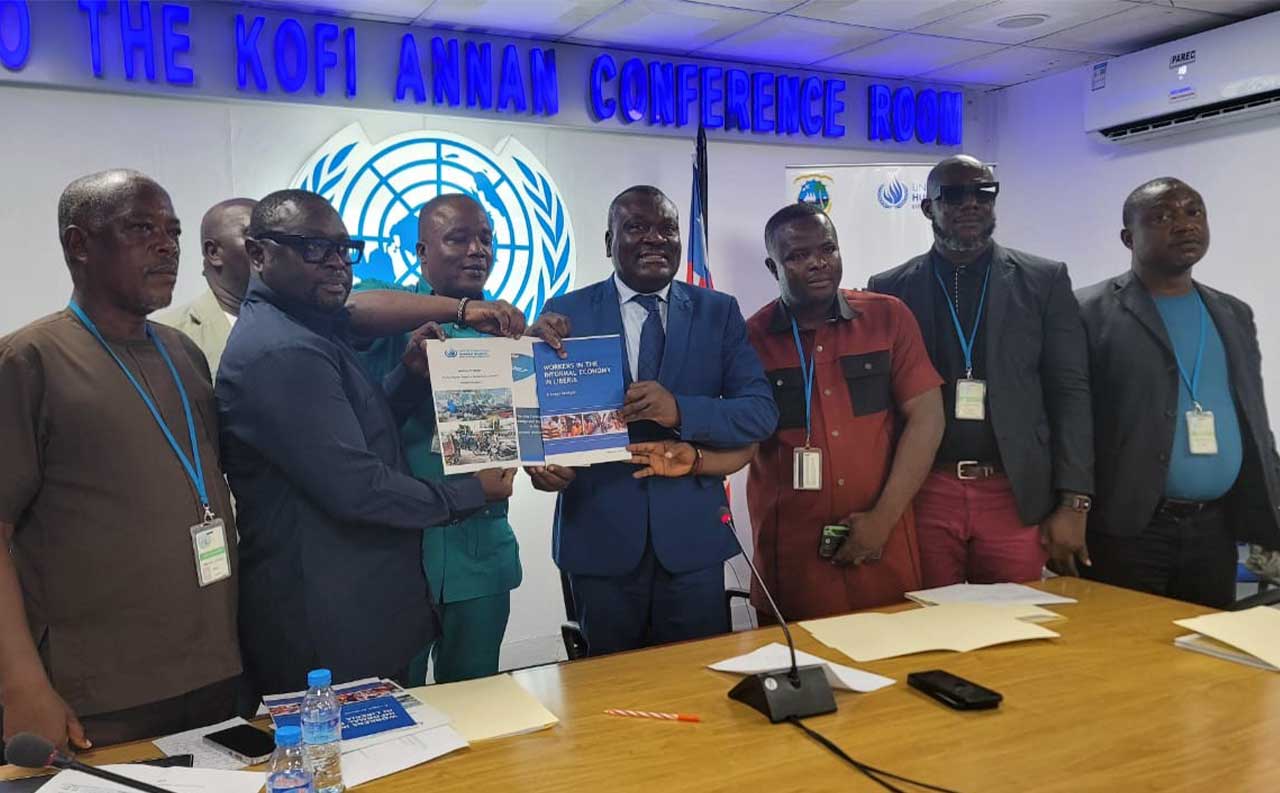
Upon receiving the petition, the Chair of Claims and Petitions, Prince Toles, from District #8 of Montserrado County, expressed gratitude to the Liberia Anesthesia National Association. He assured them that their petition would be forwarded to the relevant authorities to address the issue and seek a resolution, allowing them to return to their hospitals to continue saving lives.