Liberia earned more than US$1.3 billion from the export of minerals, timber, and agricultural commodities in 2023, yet widespread poverty and weak governance continue to overshadow the country’s natural resource wealth, according to the 16th Liberia Extractive Industries Transparency Initiative (LEITI) Report. The report, unveiled by the Multi-Stakeholder Steering Group (MSG) of LEITI, exposes a stark contrast between the enormous value of Liberia’s extractive resources and the modest benefits accruing to the national treasury and ordinary citizens.
Total revenue actually received by the Government of Liberia from the extractive sector, covering mining, agriculture, forestry, and oil and gas, stood at US$152.46 million for the period January 1 to December 31, 2023. The report disclosed that Mining dominated government receipts with over US$121 million, while agriculture contributed nearly US$24 million, forestry US$6.45 million, and oil and gas just US$550,000.
In contrast, the export value of extractive commodities during the same period reached approximately US$1.35 billion, driven largely by gold and iron ore exports. Gold alone accounted for more than US$660 million, followed by iron ore exports valued at over US$482 million, while Rubber, crude palm oil, and diamonds also contributed significantly to export earnings.
However, company-level data show that Bea Mountain Mining Company led gold exports with sales exceeding US$691 million, while ArcelorMittal and Western Cluster together exported iron ore worth more than US$360 million. Despite these figures, employment in the extractive sector remained relatively low, with 19,345 workers recorded nationwide.
Of that number, males accounted for over 16,600, while females made up fewer than 2,800, highlighting persistent gender imbalance. The report also notes the presence of more than 1,100 permanent foreign workers at Bea Mountain alone. Beyond revenue and employment, the report raises red flags over governance. The MSG disclosed that it identified suspicious transactions involving the Liberia Petroleum Regulatory Authority, ArcelorMittal, and the Liberia Revenue Authority.
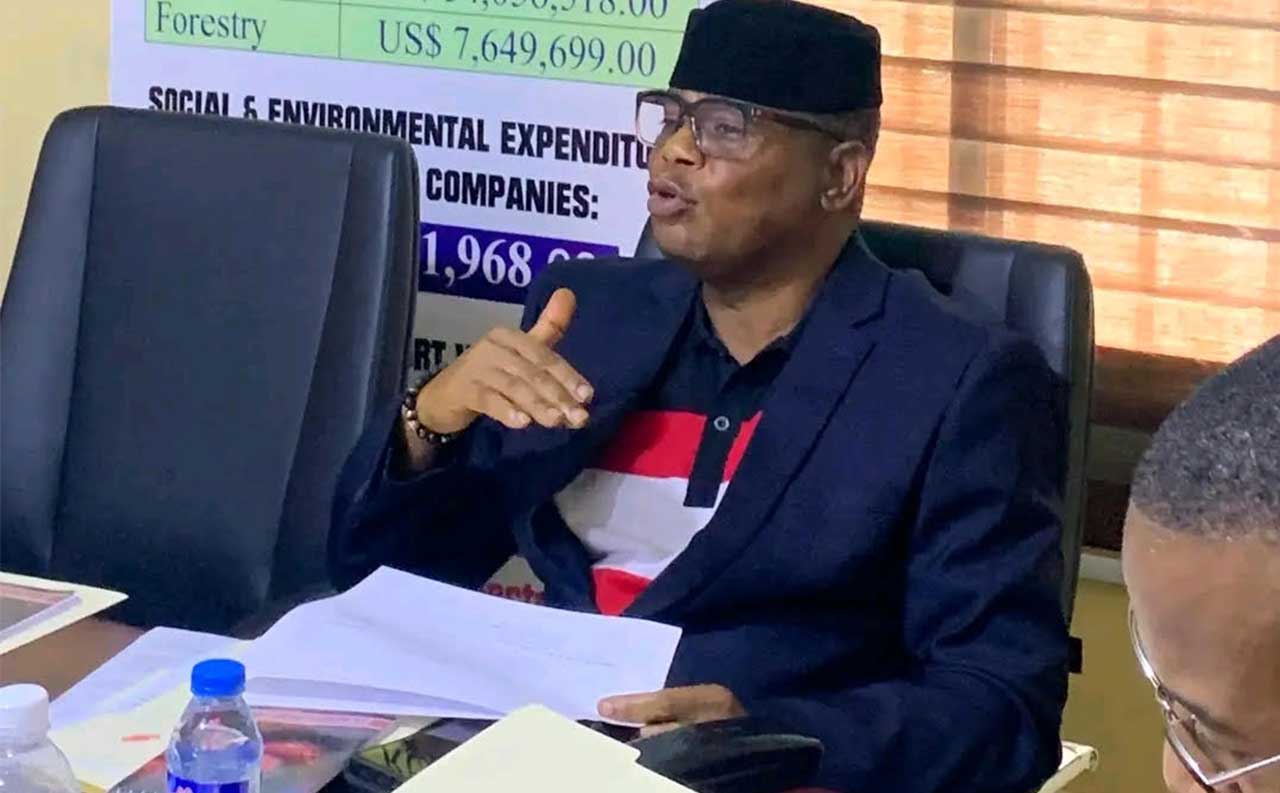
These cases are to be forwarded to the Liberia Anti-Corruption Commission for further investigation. Speaking at the launch, LEITI officials emphasized that the findings will be shared nationwide to stimulate public debate and gather citizen feedback on improving oversight of the extractive sector.
However, the MSG warned government institutions and companies against non-cooperation, stressing that LEITI’s work is backed by law and that sanctions will apply to entities that refuse to comply. As Liberia heads into another validation cycle, the report reinforces a troubling reality: while billions of dollars flow out of the ground and forests, the promise of natural resource wealth translating into broad-based development remains largely unfulfilled.