Liberia has called on Kosovo and Serbia to renew constructive dialogue, exercise restraint and accelerate efforts toward normalizing relations, warning that unilateral actions and delays in implementing existing commitments could further undermine trust and threaten long-term stability in the Western Balkans.
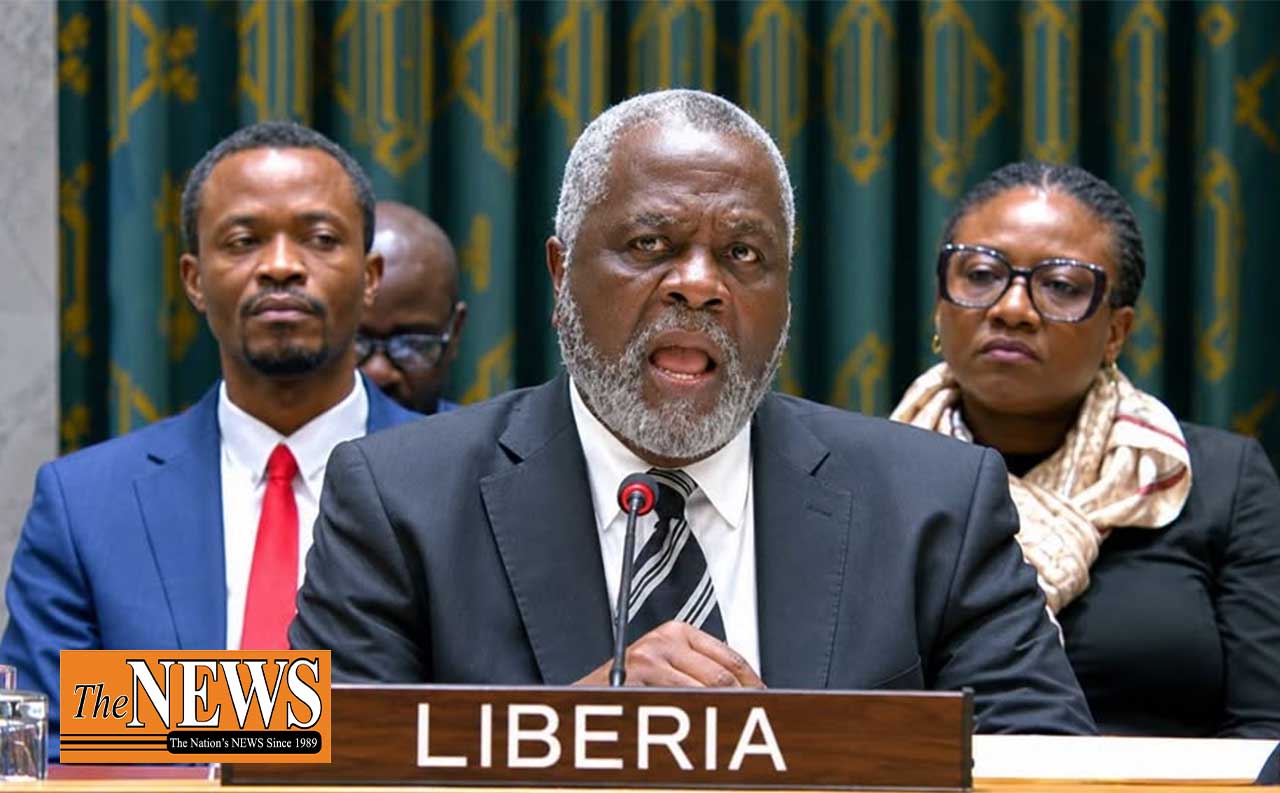
Liberia’s position was presented Tuesday by its Permanent Representative to the United Nations, Ambassador Lewis G. Brown II, during a United Nations Security Council briefing on the situation in Kosovo and the work of the United Nations Interim Administration Mission in Kosovo (UNMIK).
The Liberian envoy emphasized that sustained diplomacy, practical cooperation and confidence-building measures remain essential to resolving outstanding disputes between Belgrade and Pristina.
Ambassador Brown underscored the importance of implementing the 2023 Agreement on the Path to Normalization and its Implementation Annex, which emerged from European Union-facilitated negotiations.
The agreement, reached in Brussels on February 27, 2023, and supplemented by an implementation annex agreed in Ohrid, North Macedonia, on March 18, 2023, established a framework for improving relations, expanding practical cooperation and addressing longstanding political differences.
However, progress in implementing key commitments has remained limited. “With European Union facilitation, the parties should identify achievable next steps and clear implementation milestones,” Ambassador Brown said, stressing the need to translate diplomatic commitments into tangible improvements in people’s daily lives.
He added that citizens must see practical benefits from the dialogue, particularly in access to essential services, confidence in the justice system and the ability to participate safely in public life.
His remarks highlighted the importance of moving beyond political declarations toward measurable outcomes that can strengthen public confidence and promote peaceful coexistence.
The Liberian envoy also drew attention to the unresolved issue of missing persons, describing cooperation between the relevant authorities as an important element of reconciliation.
He encouraged both sides to share information, strengthen investigative cooperation, support identification efforts and provide families with timely and reliable updates about relatives whose whereabouts remain unknown.
The missing-persons issue has remained a significant humanitarian concern arising from the Kosovo conflict of 1998–1999 and its aftermath. The 2023 implementation framework specifically called for urgent endorsement of a declaration on missing persons, recognizing the need for cooperation in clarifying the fate of those still unaccounted for.
For affected families, progress on this issue is not merely a diplomatic obligation but a matter of dignity, justice and closure.
Ambassador Brown reaffirmed Liberia’s support for continued international engagement to promote stability, reconciliation and confidence-building, particularly through coordination with the European Union and other international partners.
He maintained that sustained diplomatic involvement remains important to preventing renewed tensions and helping both parties address their differences through peaceful means.
The broader diplomatic framework dates back to the EU-facilitated dialogue launched in 2011, which produced the landmark First Agreement of Principles Governing the Normalisation of Relations in April 2013.
The 2023 agreement represented another major effort to advance the process. Its provisions cover good-neighbourly relations, mutual recognition of documents and national symbols, cooperation in areas such as the economy, transport, justice, health and culture, and arrangements for protecting community rights.
The stakes extend beyond bilateral relations: Kosovo declared independence from Serbia in February 2008, a move Serbia does not recognize. The dispute has continued to shape regional diplomacy and remains relevant to European security and both sides’ European integration ambitions.
The European Union has repeatedly emphasized that progress in normalizing relations is important to the European paths of Kosovo and Serbia, while incomplete implementation of agreements has continued to hamper the dialogue.
Concluding his remarks, Ambassador Brown urged Belgrade and Pristina to exercise restraint, honor their commitments and place the welfare and security of their populations at the center of decision-making.
He reaffirmed Liberia’s readiness to support constructive international efforts toward a peaceful settlement, emphasizing that meaningful dialogue, accountability and mutual confidence remain indispensable to lasting reconciliation.
Liberia’s intervention reinforces its call for diplomacy over confrontation and for a practical, citizen-centered approach to conflict resolution. As international partners continue to encourage progress, the challenge for Kosovo and Serbia will be to convert existing agreements into concrete action, rebuild trust between communities and establish a more stable foundation for peaceful relations across the Western Balkans.