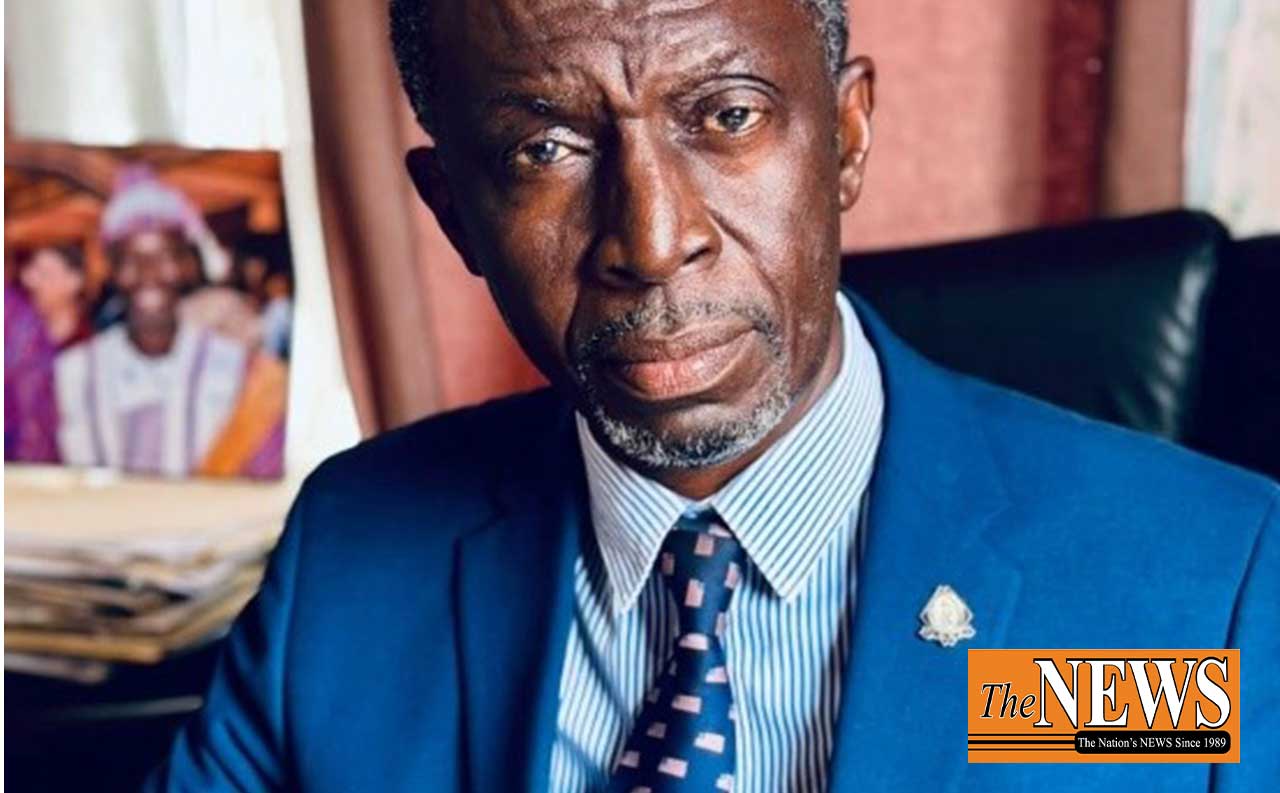
Former presidential candidate and prominent Liberian lawyer Tiawan Saye Gongloe has demanded a full public accounting of President Joseph N. Boakai’s 23-day stay in the United States, questioning what the lengthy trip cost the Liberian people and what tangible benefits it delivered.
In a strongly worded statement upon President Boakai’s return to Liberia on October 6, 2026, Gongloe said the Liberian people deserve to know what the President accomplished during his absence and how the outcome will translate into improvements in their daily lives.
Gongloe noted that the President was away for 23 days, reportedly including a congressional meeting, the 81st United Nations General Assembly, diaspora engagements, and a planned visit to the Liberian Maritime Registry. While acknowledging that the engagements were legitimate government activities, Gongloe argued that the trip duration, its cost to taxpayers and the size of the official delegation require public explanation.
His concerns intensified over the delegation size, which included Foreign Minister Sara Beysolow Nyanti, Finance Minister Augustine Kpehe Ngafuan, Information Minister Jerolinmek Piah, Health Minister Louis Kpoto, Education Minister Jarso Jallah, Gender Minister Gbeme Horace-Kollie and National Security Advisor Samuel Kofi Woods. “What assignment required each person’s presence, and for how long?” Gongloe asked, pointing to Liberia’s limited financial resources and development challenges.
The Liberian lawyer said the government must explain not only who travelled with the President, but also each delegate’s specific assignment, travel dates, and the public resources expended during the mission. Gongloe also challenged the government to demonstrate measurable results from the trip, asking what agreements were signed, what financing was secured, what investments moved beyond expressions of interest and how many jobs are expected to be created as a result of the engagements. He further demanded details of commitments emerging from the diaspora conference, including who will make follow-up on them and when Liberians can expect a progress report.
The former presidential candidate drew comparisons with other African countries whose leaders also participated in United Nations-related activities and diaspora engagements, including Botswana, Somalia, the Democratic Republic of Congo, Cape Verde and Rwanda.
He stressed, however, that the comparisons should not be interpreted as proof that shorter trips necessarily achieved more. Rather, he said, they raise legitimate questions about Liberia’s 23-day absence and how many senior officials accompanied the President. In particular, he pointed to Cape Verde, which announced a program that combined UN diplomacy, government meetings, and diaspora engagements on a shorter timetable.
Gongloe argued that because many of the activities undertaken by Liberia are also common responsibilities of other governments, the Boakai administration must explain what specifically required the President and such a large number of senior officials to remain abroad for 23 days.
Liberia’s reported launch of its Third National Action Plan on Women, Peace and Security, along with diplomatic, investment and diaspora engagements, were among the activities Gongloe acknowledged.
But Gongloe argued that the government should go beyond announcing meetings and provide evidence of what those engagements produced. “Diplomatic benefits may take time,” Gongloe said, while urging the government to clearly distinguish between discussions, commitments, implementation and actual financing received.
He warned against what he described as an “at least” mentality, arguing that the mere fact that the President met investors or attended international meetings should not automatically be considered a successful outcome.
For Gongloe, the real test is whether those engagements produce concrete benefits for ordinary Liberians. He argued that every dollar spent on international travel represents an opportunity cost for a country struggling with demands in education, healthcare, roads, food security and other critical sectors.
Gongloe is now calling on the Executive Mansion to publish the President’s complete itinerary, the full delegation list, each delegate’s assignment and travel dates, the total cost of the trip, agreements reached and a clear timetable for implementation. He said such disclosure would give Liberians a better understanding of government decisions concerning presidential travel, delegation size and the duration of official missions.
The call comes as the Boakai administration faces increasing public expectations to demonstrate measurable results from its international engagements and translate diplomatic relationships into investments, jobs and development opportunities at home.
Gongloe concluded by welcoming President Boakai back to Liberia but making clear that, in his view, the President’s return should be followed by answers. “The Liberian people need to know what their money accomplished, and what this journey will bring to their lives,” he said.