Barely a month after vowing not to go as Vice President to any political actors in Liberian politics, Alternative National Congress (ANC) Political Leader Alexander B. Cummings has finally succumbed offering a flexibility for his political ambition after two attempts of Standard Bearer only” vowing to now serve as a car boy to his political rival in the pending 2029 presidential and legislative elections.
Speaking on the prospect of political alliances and opposition collaboration recently, Cummings emphasized that he remains open to working with other political actors in the interest of the country. However, he made it clear that he would not accept a vice-presidential position in any political arrangement. He emphasized, “I’m open to any collaboration, but I can’t go as Vice President.”
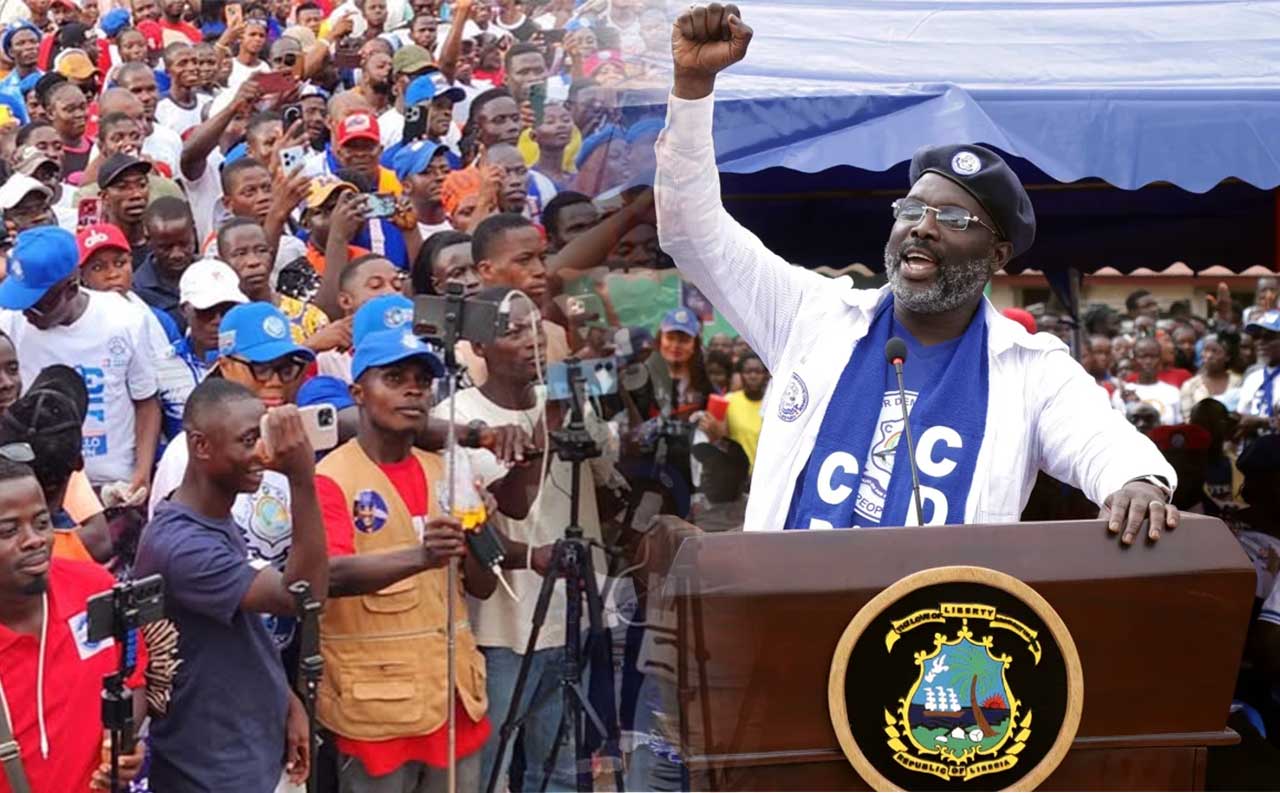
For nearly a decade, Cummings insisted that if he were to contest Liberia’s presidency, it would be only as the head of his own ticket. But in what may prove to be the most significant shift in his political strategy since entering elective politics, Cummings has signaled a willingness to set aside personal ambition in pursuit of a united opposition front, declaring before thousands of Congress for Democratic Change (CDC) supporters that, “If I have to be the driver or the car boy to get us to our destination of a better Liberia, I will.”
Delivering the keynote address at the CDC’s 22nd anniversary celebration in Zwedru on Saturday, June 22, 2026 Cummings declared that the pursuit of political change had become “bigger than any one person” and said he was prepared to play whatever role was necessary to achieve it.
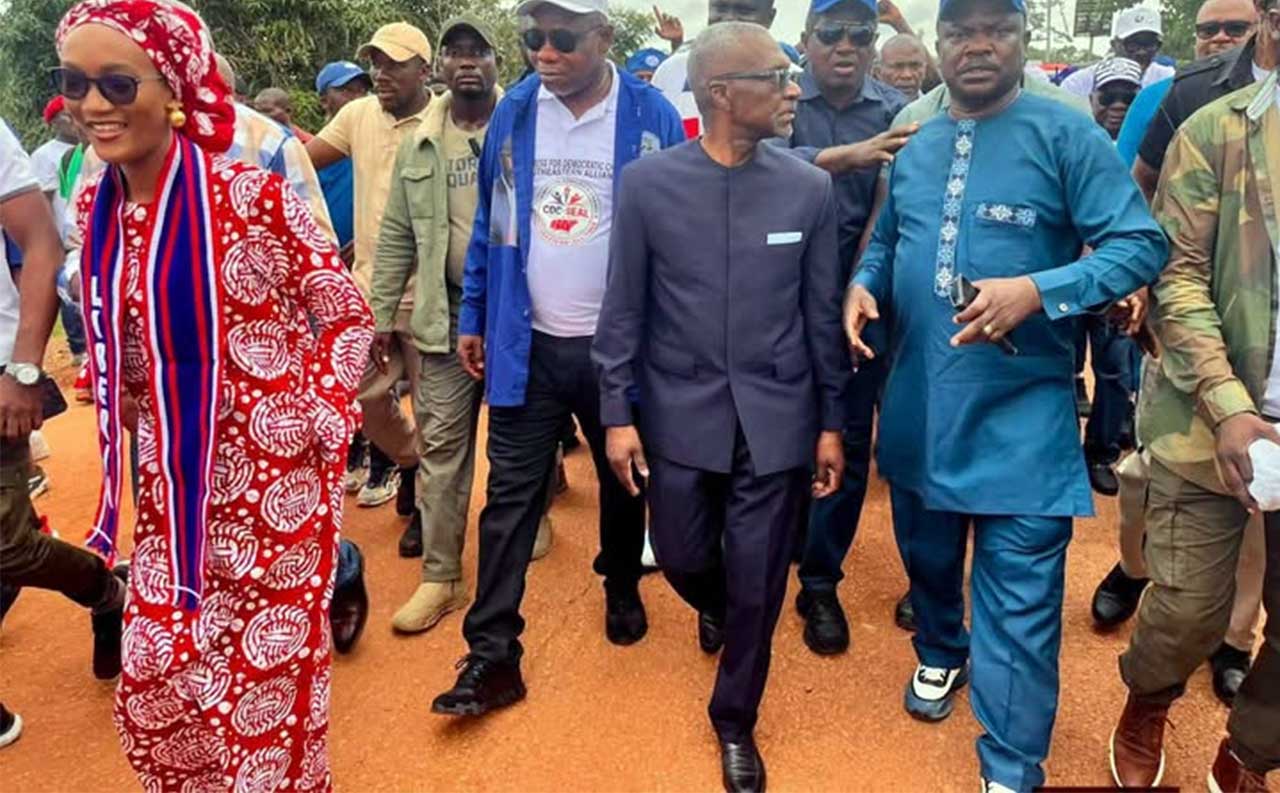
“If I have to be the driver or the car boy to get us to our destination of a better Liberia, I will,” Cummings told an audience that included former Vice President Jewel Howard Taylor, Citizen Movement for Change (CMC) Political Leader Musa Bility, Movement for Progressive Change (MPC) leader Simeon Freeman, All Liberian Party’s Benoni Urey, and several other opposition figures.
For Liberian politics, the remark represents a notable departure from Cummings’ long-held public position. During both the 2017 and 2023 presidential election cycles, the former Coca-Cola executive consistently maintained that he would only contest the presidency as the standard bearer of his own political ticket, rejecting suggestions that he serve in any subordinate role within a broader opposition alliance.
His insistence on leading a ticket became one of the defining characteristics of his presidential bids, even as repeated calls mounted for opposition parties to unite behind a single candidate capable of defeating their rivals at the polls.
Now, with the 2029 elections on the horizon, Cummings appears to be sending a different message. “The kind of change we seek is bigger than any one person; it is about all of us putting our personal ambitions aside… and recognizing that our strength lies in unity and not in individuals,” he said.
The comments also echo one of Cummings’ own recurring themes over the years that “the definition of insanity is doing the same thing over and over and expecting different results.” While he did not invoke that line in Saturday’s speech, his latest remarks suggest a recognition that the opposition may need a different strategy if it hopes to unseat the ruling Unity Party in 2029.
Whether this signals a genuine willingness to accept a place other than the top of a unity ticket remains to be tested. Cummings stopped short of explicitly saying he would serve as a vice-presidential candidate. Instead, he sought to reassure opposition supporters that personalities should not stand in the way of political change.
“Nobody contests to be Vice President,” he acknowledged before adding that he was prepared to serve as either “the driver or the car boy” if that was what it took to reach their shared destination.
The symbolism of the speech was almost as significant as its content. Speaking from the stage of the CDC’s anniversary celebration and lavishing praise on former President George Weah and the party’s historic role in empowering marginalized Liberians, Cummings presented himself less as the leader of a competing opposition party than as a partner in what he described as a broader movement for political change.
He repeatedly urged the ANC, CDC, CMC, MPC, NPP, ALP and other opposition parties to close ranks, arguing that only a united opposition could effectively hold the Boakai administration accountable and offer Liberians a credible alternative in 2029.
If sustained in the months ahead, Saturday’s remarks may come to be remembered as the clearest indication yet that one of Liberia’s most prominent opposition leaders is reconsidering the political strategy that defined his first two presidential campaigns.