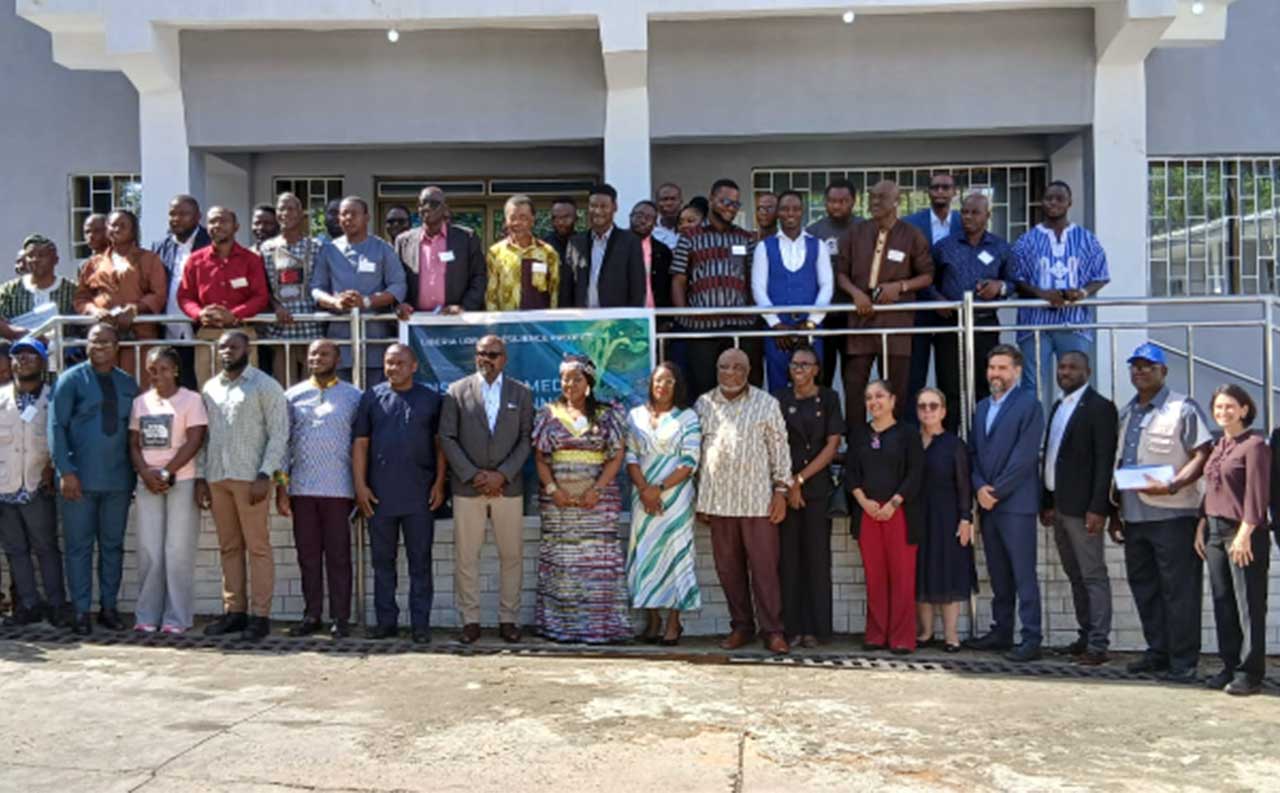
The Ministry of Public Works, in partnership with the World Bank, through the Urban Resilience Project (LURP), has launched a three-day technical training on risk-informed urban planning. The training runs from June 17-19, 2026.
The launch of the training on Wednesday, June 17, 2026, brought together delegates from the World Bank, Ministry of Public Works, the Ministries of Local Governance, Finance and Development Planning, and other government ministries and agencies, as well as Mayors from Monrovia, Paynesville, Buchanan, Gbarnga and Ganta, who are in charge of urban planning, housing and disaster risk management and related subjects
Participants will gain skills in assessing the current planning system and constraints, identifying priority risks, and translating risk analysis into place-based decisions, applying the Restrict-Condition-Promote framework to guide zoning infrastructure sitting and development control.
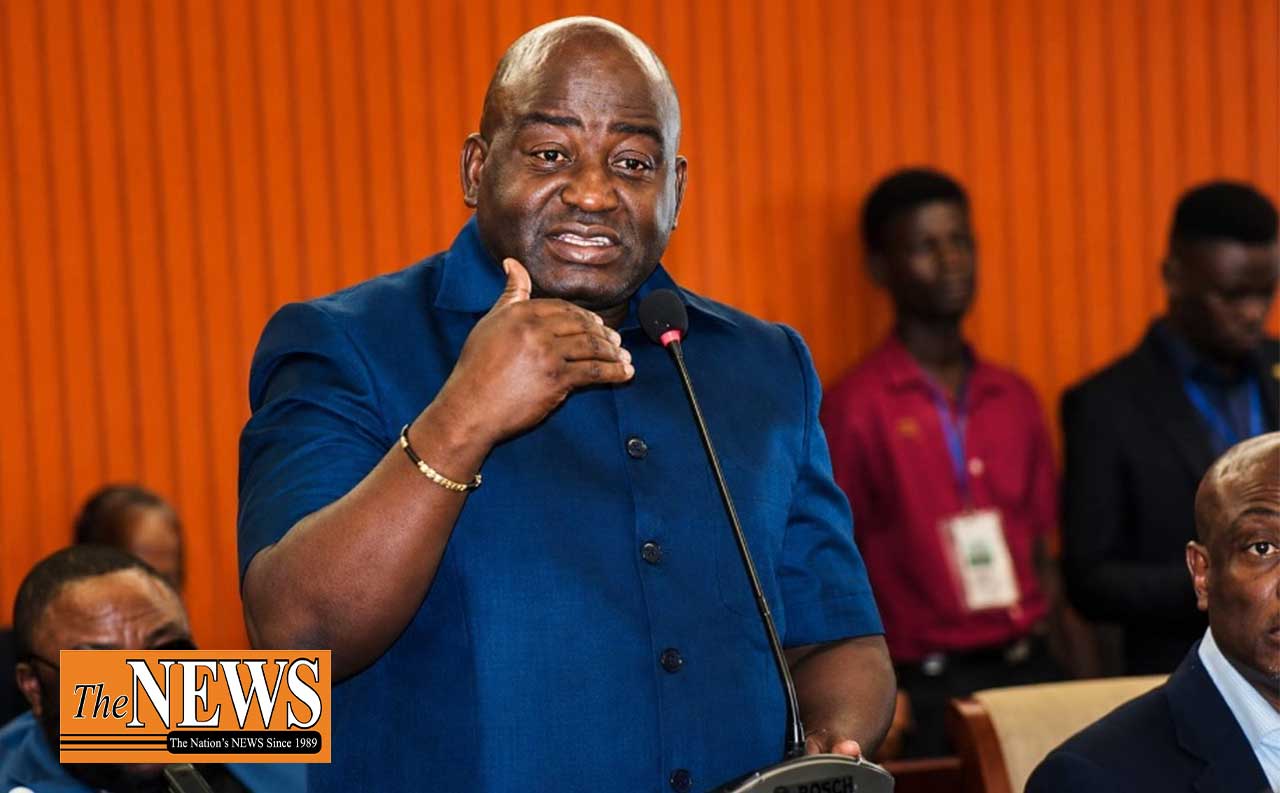
Liberia Urban Resilience Project (LURP) Project Coordinator Gabriel S. Flaboe said the training is to equip participating institutions with practical approaches and decision tools to strengthen urban planning and development processes, supporting integrated spatial planning, land use management, zoning, and investment prioritization.
LURP Project Coordinator Flaboe said the special objective of the training is shared understanding among national and local shareholders on risk-informed planning as a pathway to more livable, resilient, inclusive, and economically viable cities.
He said the training is intended to assess the current planning systems and constraints, including existing planning processes, instruments implementation practices, and enforcement challenges, to identify key gaps and opportunities for strengthening risk-informed urban planning in Liberia and identify priority risks and context by mapping key urban hazards, exposure patterns, vulnerabilities, institutional arrangements, and data entry points relevant to the first application in Liberia.
World Bank Practice Manager for Urban Resilience and Land, Africa West and Central, Madhu Raghunath, said Liberia is at an important juncture as it moves forward with the implementation of the new zoning law.
She said cities are centers of opportunity, innovation, and economic growth, and are also home to more than half of the world’s population, and generate over 80% of global GDP. Madam Raghunath said urbanization is accelerating in Liberia, and its population grew from 1.9 million people in 2010 to 2.6 million people in 2020, and is projected to reach around 6.7 million people by 2050, which is going to be 75% of the population living in urban areas.
“We know that urban growth is concentrated in and around Greater Monrovia, but what we also observe is that secondary cities are also fast expanding. The choices made today on land use, infrastructure, drainage, housing, public services and environmental management will shape Liberia’s development for decades. This is why urban competitiveness and inclusion depend on a forward-looking model, one that integrates risks proactively into land use, urban governance, and infrastructure investment rather than treating it as an afterthought,” she told the gathering.
She said that in Liberia, nearly 70% of Greater Monrovia’s population lives in informal settlements, and Monrovia receives more than 5 meters of rainfall per year, with around 14% of Greater Monrovia’s population facing flooding yearly due to rainfall, with average annual damage of about US$20 million. For his part, Minister of Public Works Roland Giddings said Liberia now has a legal framework that treats zoning as a tool for orderly growth, public safety and a resilient environment.
“As a result of the effect that we all know of climate change, we must establish urban cities that are resilient enough to withstand those devastations that may come along the way,” Minister Gidding said. The Public Works Minister urged participants to use the training as a catalyst for planning, being proactive, resilient, and inclusive, ensuring their future is built on solid ground, not drainage corridors.