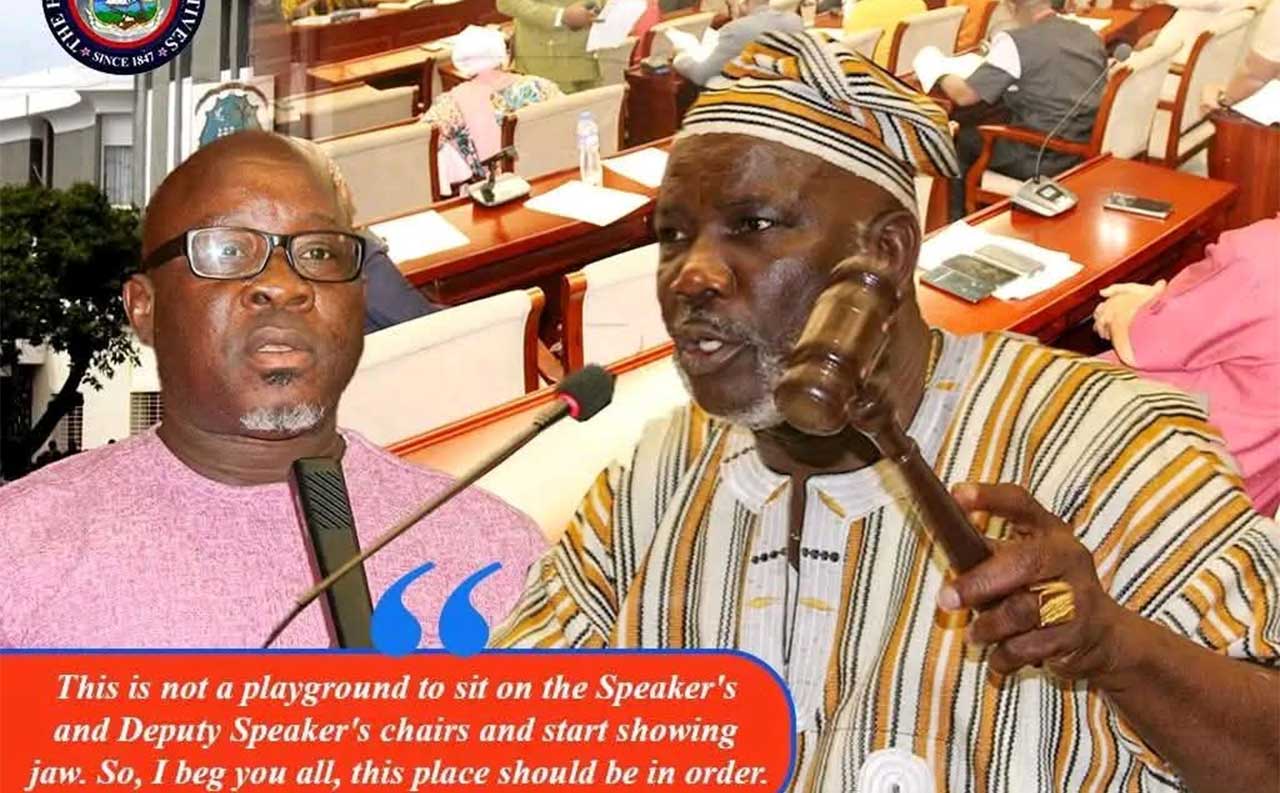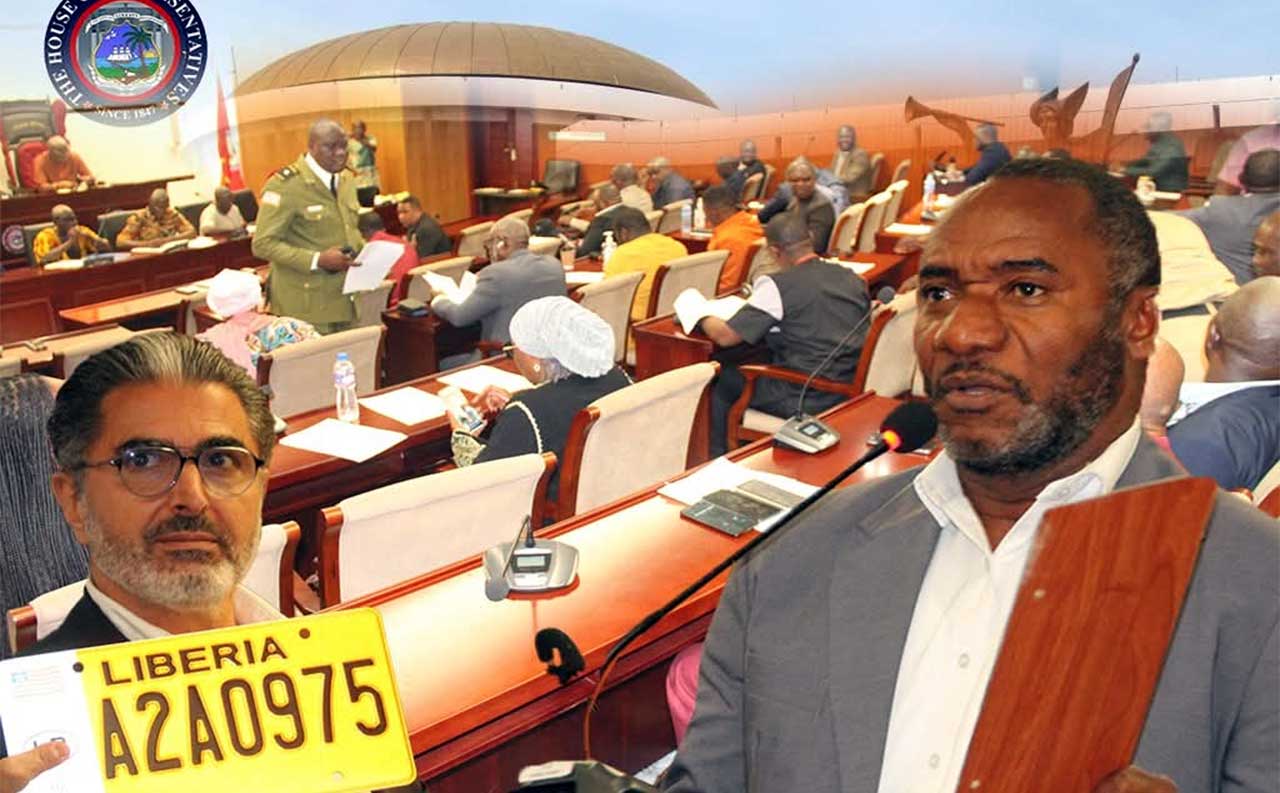
The Liberia Traffic Management (LTM) faced tough questions from members of the House of Representatives on Tuesday during the 9th day setting of that august body, blaming the ongoing war in the United Arab Emirates for the circulation of substandard vehicle license plates across Liberia.
Appearing before the Plenary of the House, LTM officials said the conflict in the UAE disrupted the supply chain for reflective materials and aluminum sheets, forcing the agency to issue temporary measure plates that fade, peel, and rust within months. Lawmakers were not convinced, demanding contracts, test reports, and a plan for free replacement of all defective plates issued since 2025.
The hearing comes months after drivers, taxi unions, and civil society groups flooded social media with photos of unreadable plates, accusing LTM of collecting full fees for poor-quality materials.
LTM’s Managing Director Mohammed Dartwick told lawmakers that the agency’s regular supplier is based in the UAE, and the regional conflict has blocked shipments of high-grade reflective sheeting and aluminum blanks since late 2025.
“The war in the UAE has affected our ability to obtain the necessary materials for the production of high-quality license plates,” the MD said under oath. “We had two choices: stop registering vehicles completely, or use an alternative material as a temporary measure until the supply chain is restored.”
He described the current plates as a stopgap solution to keep Liberia’s vehicle registration system running. According to LTM, the Ministry of Transport’s new automated digital registry, launched in January 2026, depends on every vehicle having a plate, even if the quality is reduced.
“We are working to resolve the issue as soon as possible and restore the supply chain,” he added. Despite admitting quality problems, LTM assured lawmakers that the plates remain compliant with road safety standards.
“We assure the public that the plates meet the required standards and are safe for use despite being substandard,” the agency stated in written testimony submitted to the committee. LTM argued that while the reflective coating may peel faster than normal, the embossed numbers and letters remain legible for traffic police and the new Automated Number Plate Recognition, ANPR, cameras being installed in Monrovia.
The agency said it has issued over 70,000 plates since 2025 and only a “small percentage” have generated complaints. But committee members presented dozens of photos during the hearing.
Lawmakers rejected LTM’s explanation and accused the agency of poor planning and lack of transparency. The committee chair questioned how a contract signed before 2025 could suddenly depend on a single country, and why LTM did not activate backup suppliers earlier.
During the interrogation, lawmakers demanded a full copy of the plate supply contract, including supplier name, country, and cost per unit, date, and documentation showing when LTM first cited the UAE war as a problem, independent laboratory test reports proving the “substandard” plates still meet Liberia’s safety standards
After hours of deliberations on the floor, the House of Representatives voted to establish a specialized committee to investigate the circulation of substandard vehicle license plates nationwide.
Lawmakers mandated the committee to probe the Liberia Traffic Management’s procurement process, quality control, and the “war in UAE” claim and report its findings and recommendations to Plenary for final decision.
Lofa County District #4 Representative Gizzie K. Kollince heads the special committee with other lawmakers, including Representatives from the Committees on Transport, Ways, Means & Finance, and Judiciary. They are tasked with reviewing LTM contracts, supplier agreements, and quality test reports, and interviewing affected drivers.
Plenary gave the committee a strict deadline to submit recommendations. If LTM is found culpable, the House could impose sanctions, order fees, replacement of defective plates, or refer the matter for further disciplinary action.