The Government of Liberia has officially launched the concept note development process for its Second Millennium Challenge Corporation (MCC) Compact with a strong focus on expanding energy access, lowering electricity costs, and unlocking economic growth across the country.
The launch, held in Monrovia on Friday, May 1, 2026, marked what officials described as a critical turning point in Liberia’s compact development journey as technical experts from government ministries, the private sector, civil society, and development institutions were commissioned to begin designing concept notes that will shape the country’s next major MCC investment program.
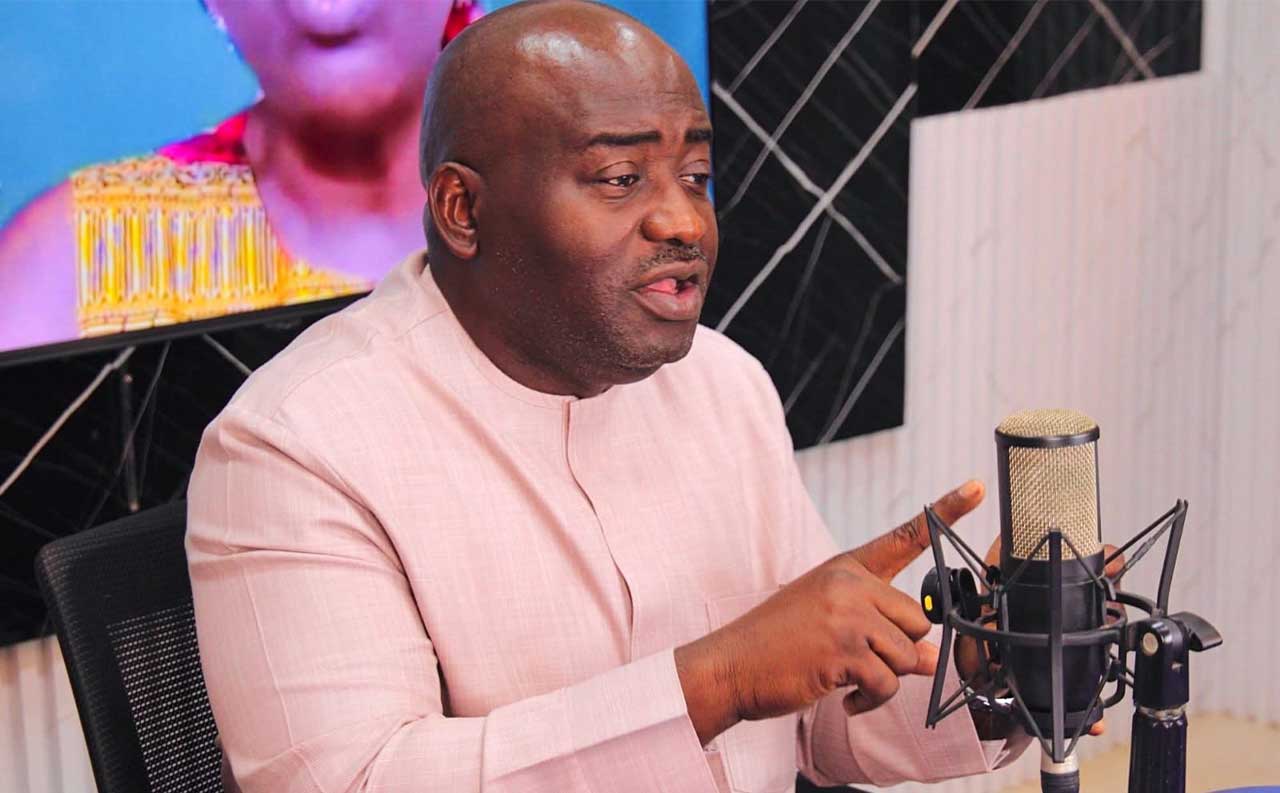
Speaking at the event, Finance and Development Planning Minister Augustine Kpehe Ngafuan stressed that energy remains Liberia’s biggest constraint to economic growth and job creation, declaring that solving the country’s electricity crisis is central to President Joseph Nyuma Boakai’s development agenda.
“Energy is the engine of the private sector. If we do not solve our energy problem, we will struggle to grow our economy, create jobs, and improve the lives of our people,” Ngafuan said.
He noted that Liberia’s energy access rate remains significantly low compared to other African countries, with government now pushing an ambitious plan to expand access nationwide and make electricity more affordable for businesses and households.
According to the minister, the government deliberately chose the energy sector as the primary target for the compact because high electricity costs remain one of the biggest barriers to private sector growth.
“The biggest cost driver for most businesses is the cost of power. If we reduce that burden, businesses will expand, and when businesses expand, they employ more people,” he said. Ngafuan also praised the transparent and competitive recruitment process used in selecting members of the Compact Development Team, noting that hundreds of qualified Liberians applied for the various positions.
“The fact that you were hired tells a lot about your quality and competence. But the real checkpoint is delivery,” he told members of the technical team.
The Minister urged the team to work with urgency, warning against unnecessary delays in the process. “We have no space for walking. It is sprinting. This is not a walk, it is a dash,” he emphasized.
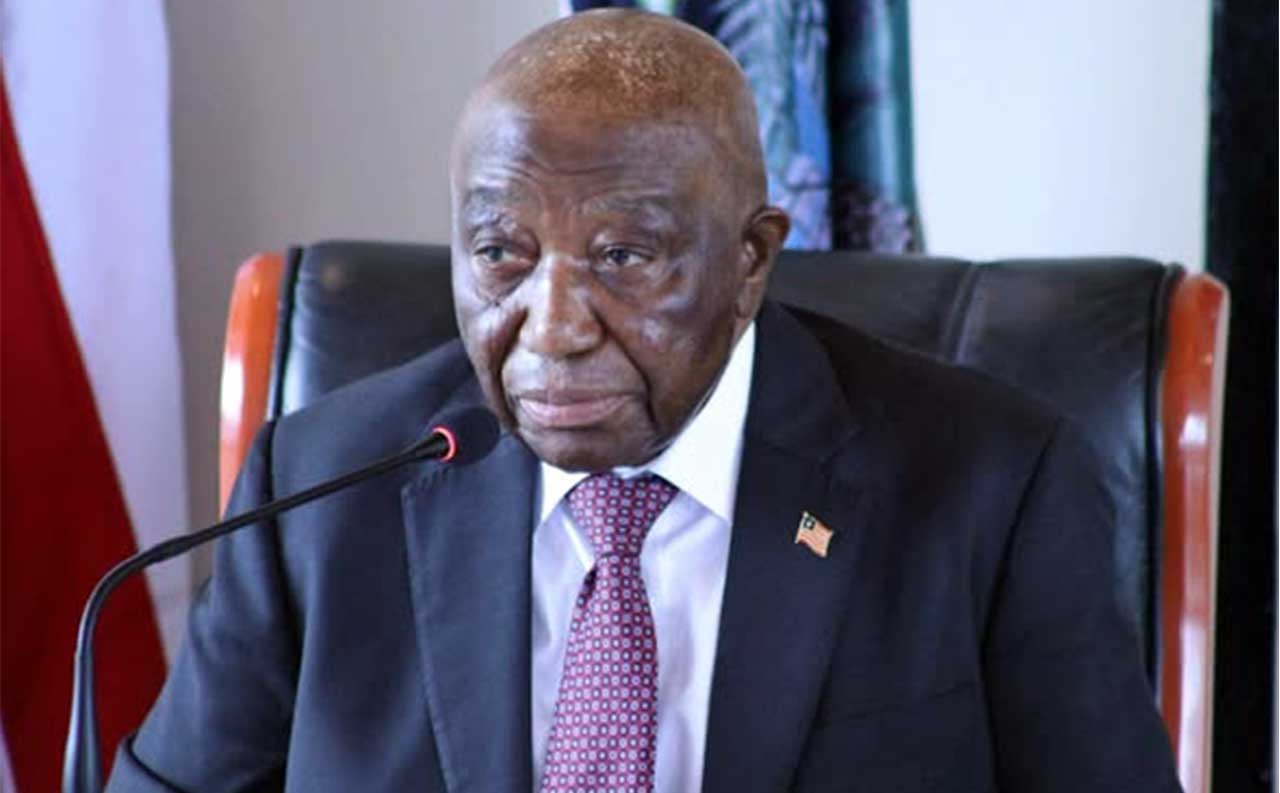
Representing the Office of the President, Samuel A. Stevquoah, Minister of State for Presidential Affairs described the MCC Compact as more than just a funding opportunity, calling it a strategic partnership built on discipline, accountability, and measurable results.
“The MCC Compact is much more than just funding. It is about partnership, discipline, and most importantly, results,” Minister Stevquoah said.
He explained that the technical working group has the critical responsibility of developing concept notes that will move Liberia from identifying development challenges to delivering practical and scalable solutions.
“We are not talking about documents that are written and placed on shelves. We are talking about ideas that will shift the future of Liberia,” the Minister stated.
For his part, Alieu Fuad Nyei, National Coordinator, Liberia Compact Development Team emphasized that the concept note phase serves as the bridge between analytical findings from constraints and root cause analyses and the eventual design of full-scale investment projects.
According to him, the technical working group includes representatives from the Ministry of Mines and Energy, Liberia Electricity Corporation, Liberia Electricity Regulatory Commission, Rural and Renewable Energy Agency, Ministry of Finance and Development Planning, Ministry of State, Ministry of Education, Ministry of Youth and Sports, National Investment Commission, Liberia Chamber of Commerce, Jungle Energy Power, and civil society organizations including the Liberia Energy Access Practitioners Network and Accountability Lab.
He also revealed that the process reflects a “whole-of-government and whole-of-society” approach under the direct leadership of President Boakai and technical oversight from the Ministry of Finance.
With Liberia seeking transformational investment under its second MCC Compact, Nyei disclosed that the success of the concept note development phase will determine which projects move forward to feasibility studies and eventual implementation. For many Liberians, the stakes are high: better roads, stronger businesses, more jobs, and above all, reliable electricity that powers homes, schools, hospitals, and industries.