A new report by Integrity Watch Liberia (IWL) has raised urgent concerns over the rapid and largely unregulated expansion of artisanal mining across key parts of the country, warning of severe environmental damage, weak governance, and growing risks to national infrastructure.
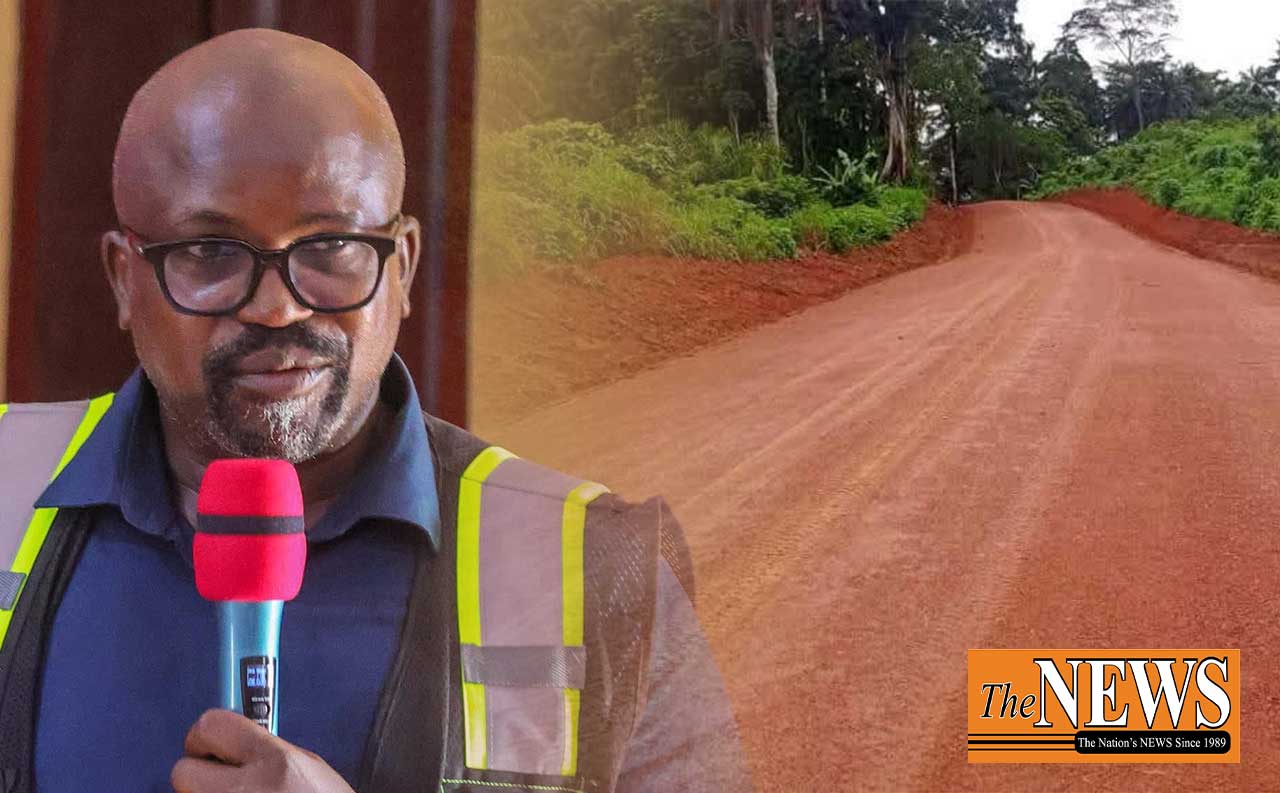
Speaking Wednesday, April 22, 2026, Integrity Watch Liberia Policy Analyst, Narvin N. Ireland, stated that the institution’s latest field monitoring assessment conducted in mining-affected communities in Gbarpolu and Bong Counties, along the Tuma River Belt and sections of the St. Paul River Basin, reveals a sector undergoing a dangerous transformation.
“What was once a small-scale, livelihood-based activity is now evolving into a more mechanized and commercially driven operation, often operating outside the bounds of the law,” he narrated.
According to Ireland, the widespread use of dredging machines directly in active river channels is accelerating environmental destruction.
The Policy Analyst of IWL said that floating platforms extracting sediment from riverbeds are increasingly common, leaving once vital water sources heavily silted, discolored, and unsafe for domestic use.
According to him, communities report declining fish populations, while rivers that once sustained livelihoods are turning into polluted mining corridors.
In the report, Ireland disclosed that further highlights widespread violations of Liberia’s mining laws, particularly the misuse of Class C licenses, intended for manual operations, by operators deploying heavy machinery such as suction dredges and pumps.
He stated that it disconnects between licensing provisions and actual practices, warned that it also underscores serious weaknesses in regulatory enforcement and threatens the integrity of the country’s mining governance framework.
Beyond environmental concerns, the organization’s Policy Analyst points to troubling patterns of informal financial systems within mining communities.
He alleged that miners reportedly make undocumented payments to access and sustain operations, raising red flags about transparency, accountability, and the potential for corruption.
At the community level, Ireland added that mining-related revenues are often controlled by local elites with little oversight, fueling perceptions of inequality and “elite capture,” where benefits are concentrated among a few while broader communities bear the environmental and social costs.
Moreover, he warned of broader national risks, particularly to Liberia’s water systems and energy infrastructure. Mining activities in tributaries connected to the St. Paul River Basin pose a direct threat to the long-term sustainability of the river, which supports livelihoods and powers the Mount Coffee Hydropower Plant, one of the country’s primary sources of electricity.
“If left unchecked, the continued expansion of unregulated river-based mining could have far-reaching consequences, citing potential disruptions to water supply systems, damage to hydropower infrastructure, and long-term ecological degradation with significant economic implications,” he narrated.
While acknowledging that artisanal mining provides critical income opportunities, especially for unemployed youth in rural areas, Ireland insisted that the sector’s current trajectory presents immediate and serious risks that demand urgent national attention.
Meanwhile, the IWL, through its Policy Analyst, is calling on the Government of Liberia, particularly the Ministry of Mines and Energy and the Environmental Protection Agency, to take swift and decisive action.
Among its key recommendations are the establishment of a publicly accessible mining license registry, strengthened environmental monitoring and enforcement, clear community benefit governance standards, and improved occupational health and safety measures for miners.
Also, he advocates for the deployment of coordinated security mechanisms to support enforcement in remote mining areas, as well as closer collaboration with traditional leaders to address local practices that may hinder regulatory efforts.
Crucially, the group is urging the government to prioritize the development and implementation of a comprehensive national strategy to formalize the artisanal and small-scale mining sector, one that goes beyond licensing to address regulatory gaps, environmental compliance, financial transparency, and community rights.
“Liberia stands at a critical juncture. If properly governed, artisanal mining can contribute to rural development, job creation, and national revenue. However, if current trends continue unchecked, the country risks deepening environmental damage, institutional weakening, and long-term socio-economic consequences,” he said.