President Joseph N. Boakai has sounded a strong warning against unregulated construction and weak enforcement of zoning laws, calling for stricter discipline, accountability, and coordinated action across government institutions.
Chairing a cabinet meeting focused on public works and urban management on Thursday, April 9, 2026 at the Executive Mansion Tea House, the President emphasized that Liberia’s rapid urban population growth, particularly in Monrovia, has intensified pressure on infrastructure, leading to congestion, illegal construction, and strained public services.
“We must restore order, stressing that indiscriminate building in alleys and restricted zones is undermining national development and placing additional burdens on water, electricity, and sanitation systems,” Boakai Declared.
He noted that Liberia’s post-conflict realities have contributed to the situation, pointing to the dramatic population increase in the capital, from an estimated 350,000 to over 1.5 million residents, as a key driver of infrastructural stress. Also, the President urged the Ministry of Public Works to take the lead in enforcing building regulations, warning that failure to comply with zoning laws would no longer be tolerated.
He reminded citizens that proper procedures, including submitting building plans for approval, remain essential for orderly development. Beyond infrastructure, Boakai also called for greater institutional accountability, urging ministers to carry out reforms with integrity and fairness. He praised ongoing efforts in sectors such as education and health to eliminate “ghost names” from payrolls, describing such actions as critical to restoring public trust.
“Do your work honestly and correctly. We are here to serve the people, and at the end of the day, we must account for what we have done,” the President told cabinet members. However, the Liberian leader acknowledged public criticism, particularly on social media, but encouraged officials to remain focused on long-term national interest rather than short-term backlash.
Addressing recent economic pressures, he highlighted government intervention to stabilize rising petroleum prices amid global uncertainties, noting that early action helped cushion the impact on Liberians compared to neighboring countries.
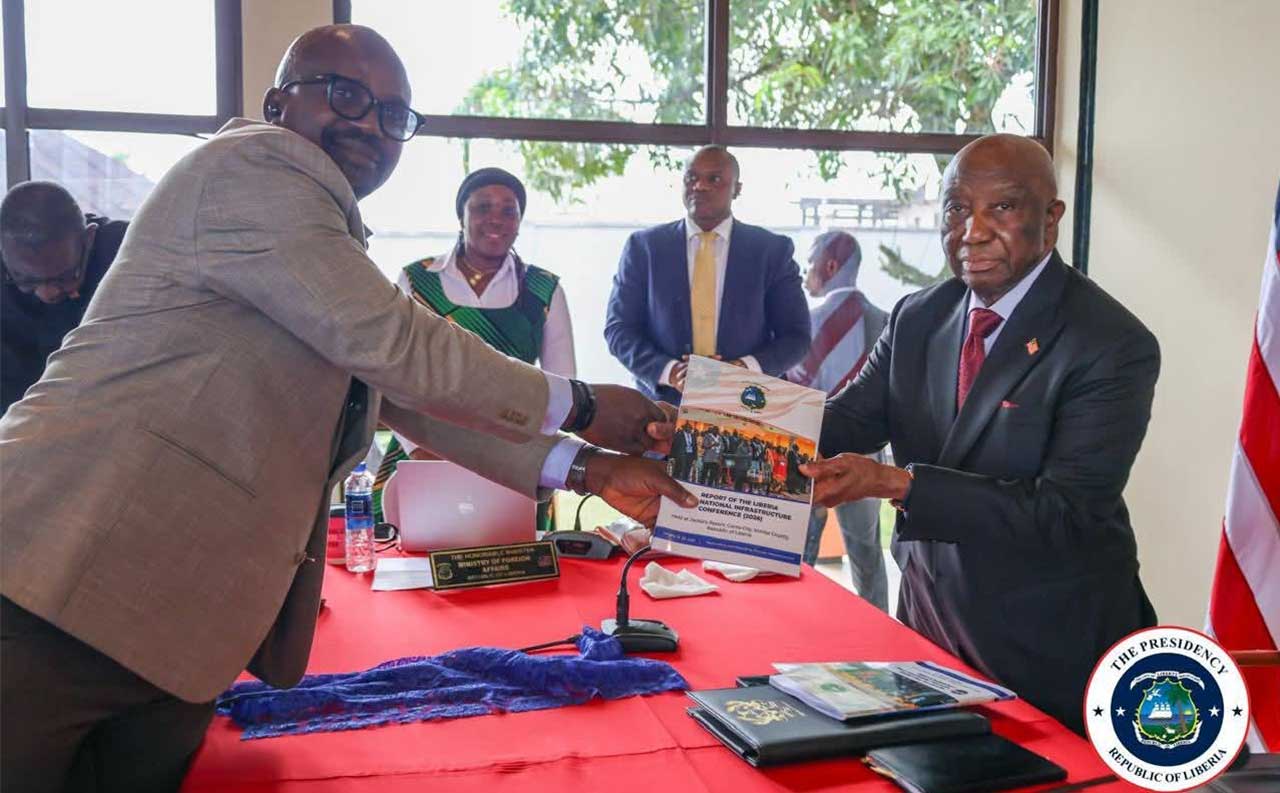
Boakai also referenced a recent infrastructure conference in Ganta, where post-conflict development strategies were discussed, expressing optimism that insights from the forum would guide future planning.
He concluded by reaffirming his administration’s commitment to improving living conditions through better roads, schools, hospitals, and public services, insisting that discipline, planning, and collective responsibility are essential to national progress. The Ministry of Public Works is expected to present detailed updates on infrastructure development and enforcement strategies as deliberations continue.