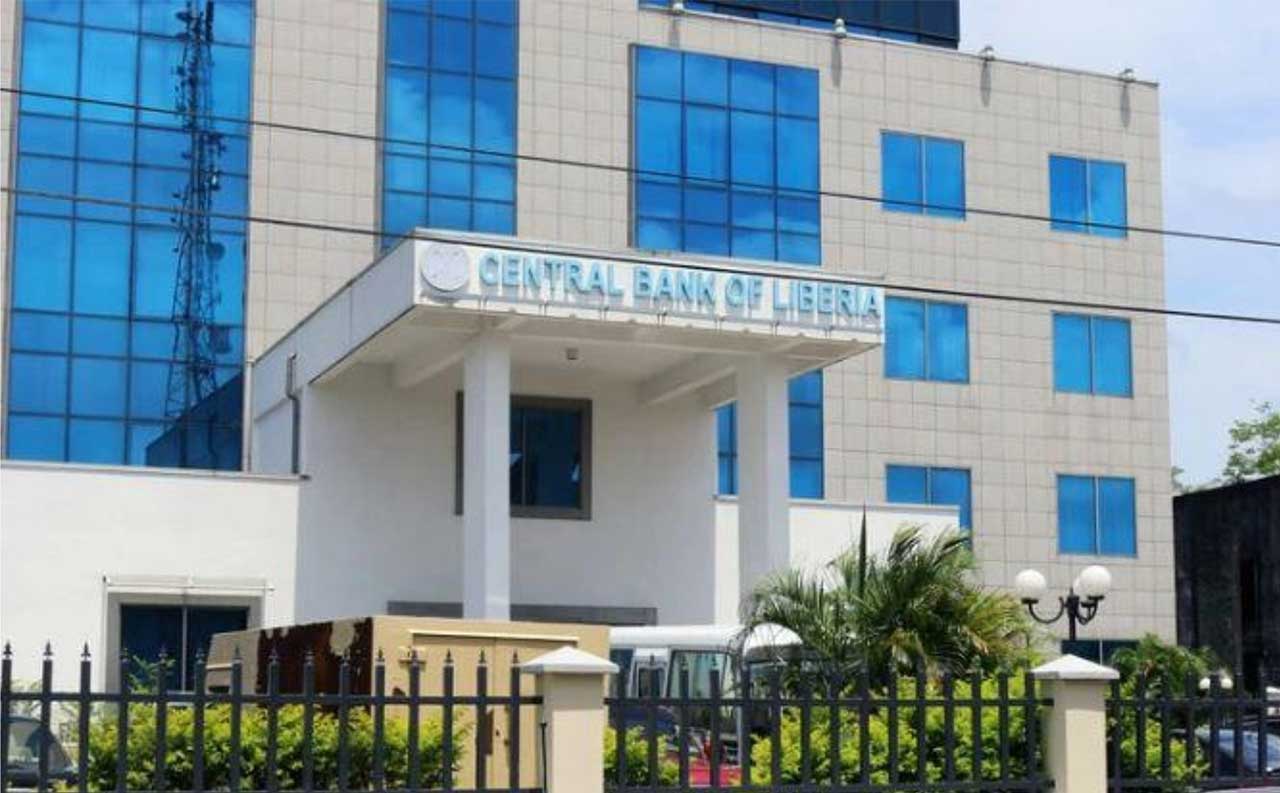
The Central Bank of Liberia (CBL) has addressed questions regarding its intention to print additional Liberian Dollars to boost the economy. In a detailed presentation to media representatives last week, bank officials explained that the primary reason for this decision is to replace worn-out, mutilated, and unfit currency, as well as to respond to the expanding economy.
Members of the Governing Board noted that Liberia remains predominantly a cash-based economy, where banknotes rapidly deteriorate due to frequent handling, environmental conditions, population growth, and increasing economic activity. This rise in activity has led to a greater demand for cash transactions, making periodic replenishment of banknotes a necessary part of currency management.
The bank officials emphasized that the need for additional currency is driven by several factors: high public reliance on cash despite advancements in digital payments; increasing demand for Liberian Dollars due to economic growth and de-dollarization efforts; the need to replace a growing number of mutilated notes; maintaining adequate reserve vaults for operational flexibility; and supporting the gold purchase program and the accumulation of foreign exchange reserves.
To ensure the new banknotes stabilize the economy, the CBL stated it would align any increase in currency with economic fundamentals and GDP growth. They aim to manage demand for transactions while preventing excess liquidity in banks that could trigger inflation. Strategies will include Open Market Operations (selling securities) and appropriate adjustments to reserve requirements.
The estimated amount proposed for approval spans the period from 2026 to 2030, based on transaction demand, projected economic growth, replacement of mutilated notes, the gold purchase program, strengthening the reserve buffer for Liberian Dollars, and monetary policy operations.
Furthermore, to ensure transparency and accountability in the printing process, the Board of Governors has implemented strong safeguards. These include legislative authorization, documented procurement procedures, independent audits, and detailed reporting on the delivery, distribution, and destruction of unfit banknotes. The Legislature plays a crucial oversight role by authorizing the total amount of banknotes to be printed and has the authority to request reports, conduct hearings, and monitor the Central Bank’s compliance with the approved framework.
In conclusion, the Bank Governors clarified that the printing process from 2021 to 2024 was not intended as an expansionary money-printing exercise but was primarily a replacement program coordinated with the IMF and Kroll & Associates. However, the proposed printing exercise from 2026 to 2030 aims to replace unfit banknotes, accommodate demand growth, build gold reserves, and strengthen the reserves of Liberian Dollars, among other objectives.