A high-stakes public discussion on the government’s controversial “yellow machines” project descended into confusion and contradiction as the Executive Chairperson of the Yellow Machines, Brownie J. Samukai, failed to clearly explain how tens of millions of dollars are being allocated, raising fresh concerns about transparency, planning, and accountability.
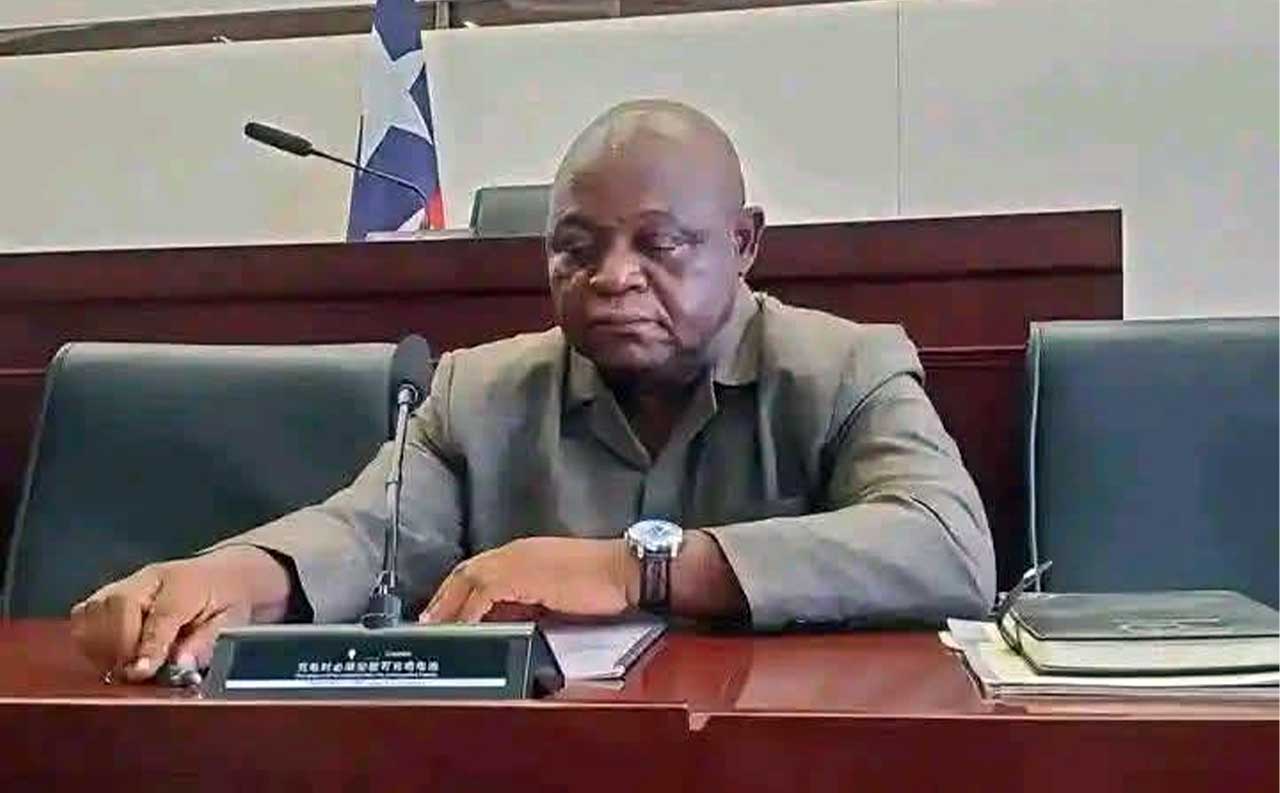
During a tense exchange on “Spoon Talk” on Tuesday, April 7, 2026, Samukai attempted to clarify earlier statements about receiving US$1.5 million, insisting that no money was personally received but rather that he was authorized by the government to access funds for the project’s implementation.
However, the distinction appeared to deepen rather than resolve concerns of panelists who pointed out inconsistencies in his explanations. “I did not receive one million dollars in my pocket. I received authorization,” he disclosed.
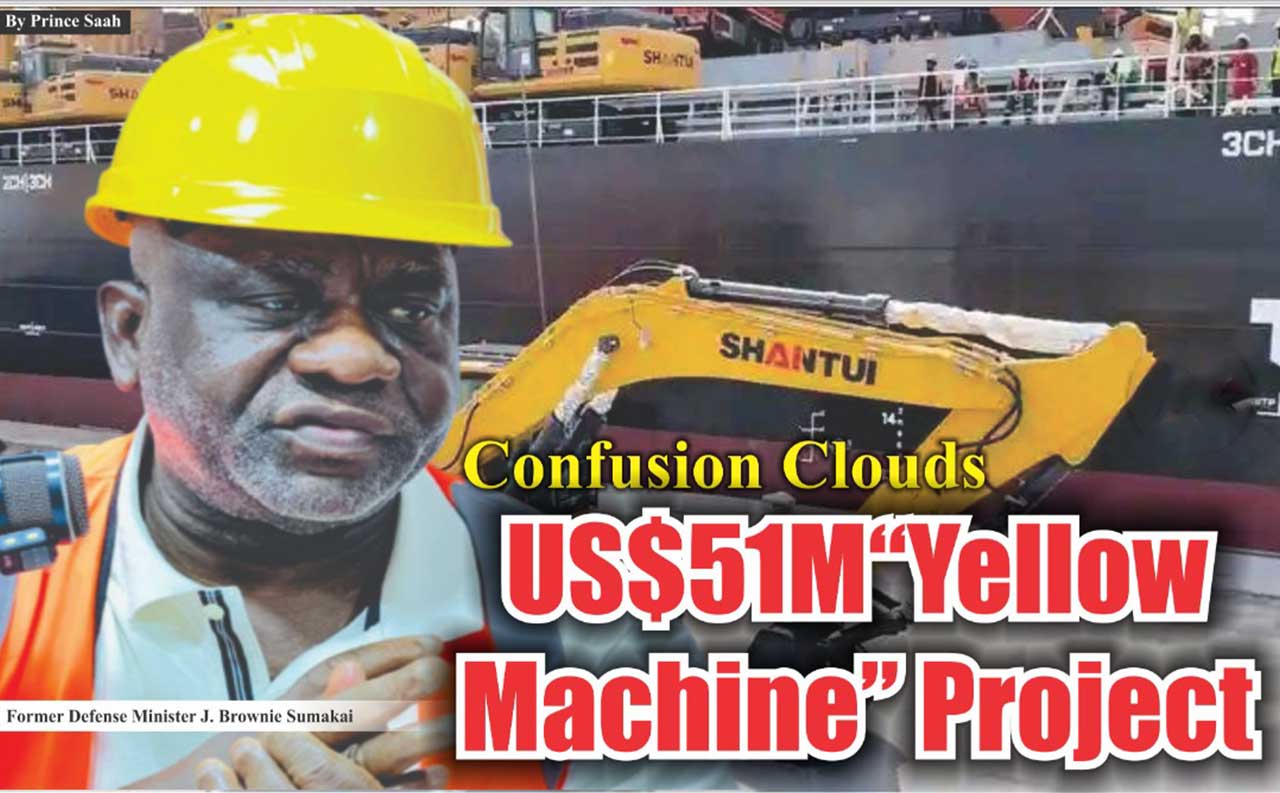
The project, centered on the procurement and deployment of over 100 pieces of heavy road construction equipment commonly referred to as “yellow machines,” is part of a broader national infrastructure push. But questions over logistics, budgeting, and preparedness dominated the discussion.
At the heart of the confusion is the reported US$51 million budget. When pressed to provide a clear breakdown, the Executive Chairperson cited multiple cost components, including road construction, bridge development, fuel storage facilities, equipment servicing hubs, and workforce training, but failed to present a straightforward account. He indicated that about US$900,000 has been earmarked for facilities, rehabilitation, and millions more are expected to go toward rock-crushing equipment, bridges, and roadworks.
According to him, thousands of workers, and over 1,100 operators and technicians, will be trained and deployed in phases. When directly asked how much would be spent in the first year of operations, his responses were fragmented, referencing phased hiring and staggered expenditures without giving a firm total.
Further raising eyebrows, the ‘Yellow Machines’ head revealed that the machines are not yet in Liberia but were instead offloaded in Abidjan, Côte d’Ivoire, and are expected to be transported in smaller vessels. He also acknowledged significant logistical challenges, including weak bridges unable to support heavy equipment, lack of fuel storage and maintenance infrastructure, and ongoing assessments of road conditions nationwide. According to him, these challenges have pushed the expected operational timeline to late 2026, with full deployment projected for the next dry season.
However, critics on the panel did not hold back, openly questioning why such a major procurement was undertaken without adequate preparation. “You can’t bring machines into the country without storage, fuel, maintenance plans, or even roads to move them,” one participant argued, “That’s a serious failure in planning.”
But Samukai defended the delays as part of a “strategic process,” emphasizing that infrastructure, including regional hubs across all 15 counties, must be built to support the machines before deployment.