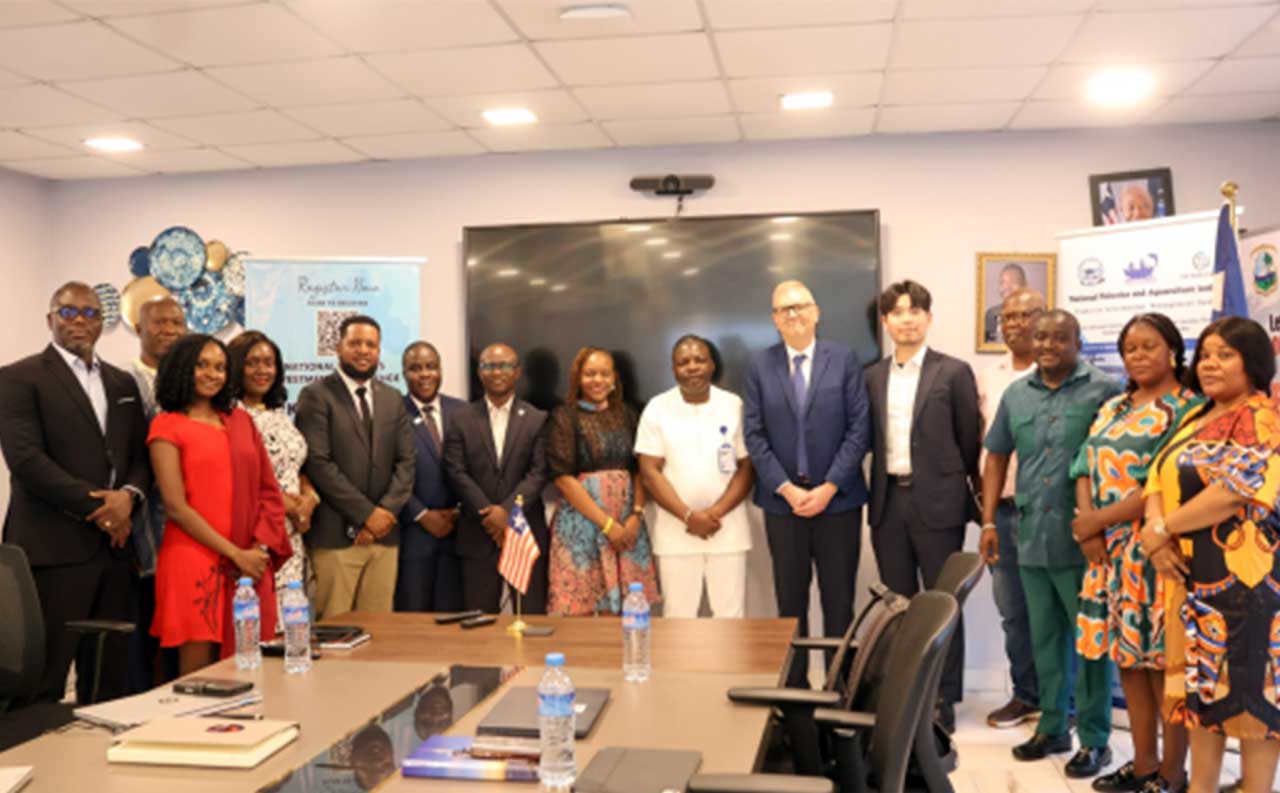
An Implementation Support Mission of the Liberia Sustainable Management of Fisheries Project (LSMFP), implemented by the National Fisheries and Aquaculture Authority (NaFAA), is currently underway in Monrovia. The mission forms a core component of the World Bank’s supervision of financed operations and is focused on assessing implementation progress, strengthening technical capacity, and ensuring the timely and high-quality delivery of planned project interventions.
According to a press statement, the mission is reviewing a portfolio of priority investments under the LSMFP. These include preparatory activities toward the construction of a modern fisheries complex; the ongoing aquapreneurs incubation program, which will culminate in the competitive distribution of fiberglass fishing canoes; and the renovation of NaFAA’s regional headquarters in Harper, Maryland County.
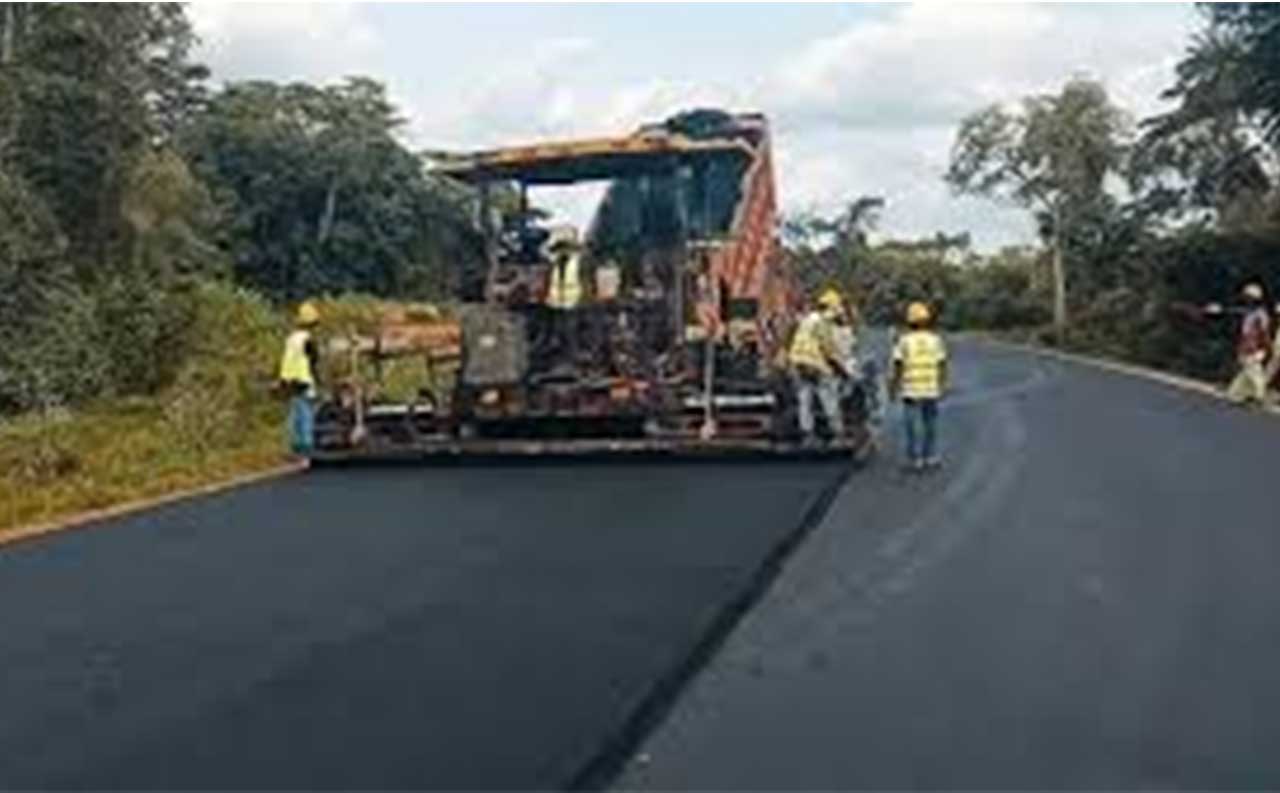
Additional areas of engagement include the establishment of a dedicated call center to enhance the Fisheries Information Management System (FIMS); preparation of a Public–Private Partnership (PPP) framework to catalyze private-sector participation; construction of a 1.2-kilometer access road; and the development of a comprehensive Fisheries Strategy and Investment Plan.
The 10-Year Fisheries Strategic Plan and Investment Plan (2026–2035) is expected to be officially launched during the National Fisheries Investment Conference, scheduled for March 30–31, 2026, by President Joseph Nyuma Boakai. Led by World Bank Task Team Leader, Ms. Ngao Mubanga, the mission will undertake field visits to the manufacturing site of Kru and Fanti fiberglass fishing canoes, engage beneficiaries of the Women’s Empowerment Grant Program, and inspect the Klay Fish Hatchery construction site in Bomi County. These visits will assess implementation progress, quality assurance, and compliance with environmental and social safeguards.
“Collectively, these coordinated investments are designed to strengthen Liberia’s fisheries and aquaculture sectors by expanding access to high-quality fingerlings, increasing the availability of locally produced fish feed, and delivering modern production and post-harvest infrastructure,” the statement indicated.
Upon completion, the Klay Hatchery is expected to significantly boost national capacity for breeding and distributing improved fish species. The associated commercial feed mill will reduce dependence on imported feed, lower production costs, and enhance productivity and competitiveness among fish farmers nationwide.
The Liberia Sustainable Management of Fisheries Project (LSMFP) is a World Bank–funded initiative that adopts a holistic and integrated approach to sector development. The Project focuses on strengthening governance and management reforms, building human and institutional capacity, and enhancing performance across the fisheries value chain to support sustainable growth and food security.