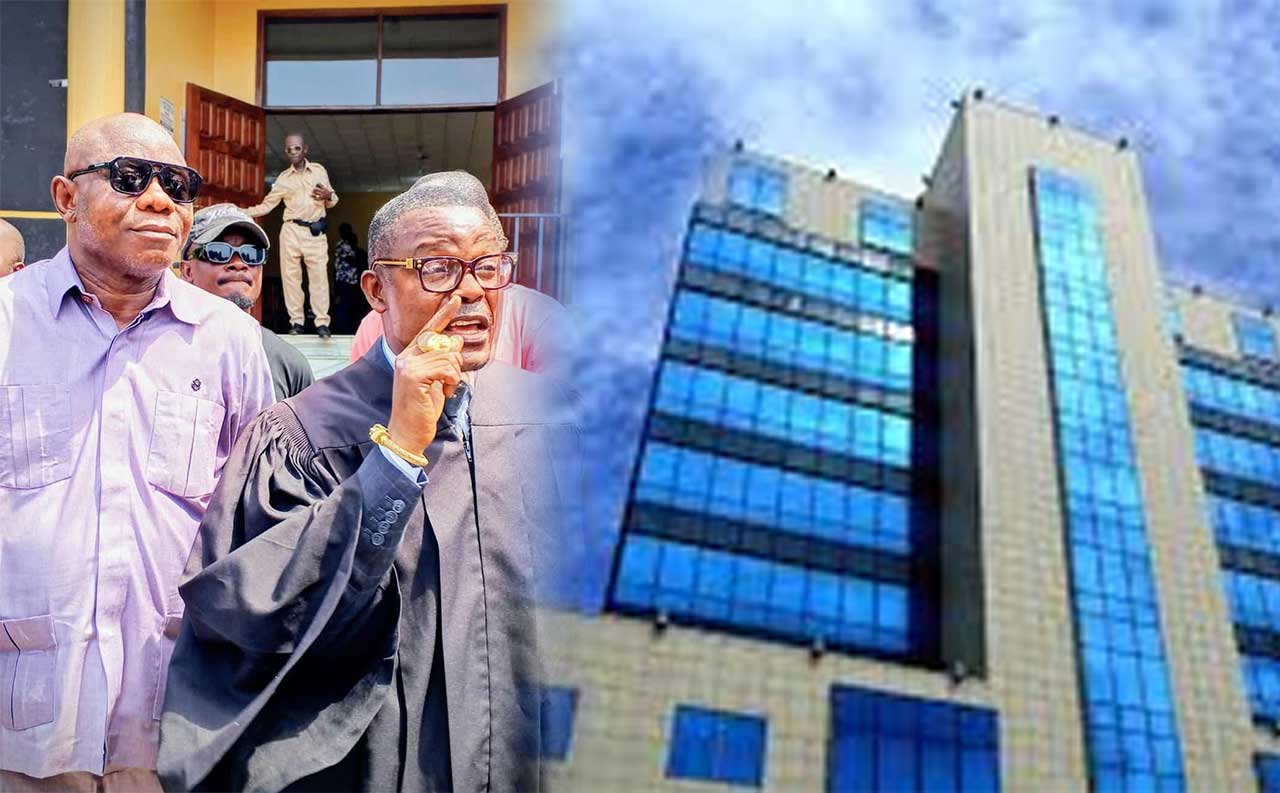
Defense lawyers in the ongoing arson case involving former House Speaker J. Fonati Koffa and others have termed the trial as politically motivated after a lower court decided to disband the jury. Criminal Court ‘A’ at the Temple of Justice in Monrovia is expected to select a new set of jurors after the disbandment of the previous batch of empanelled jurors based on the prosecution’s request.
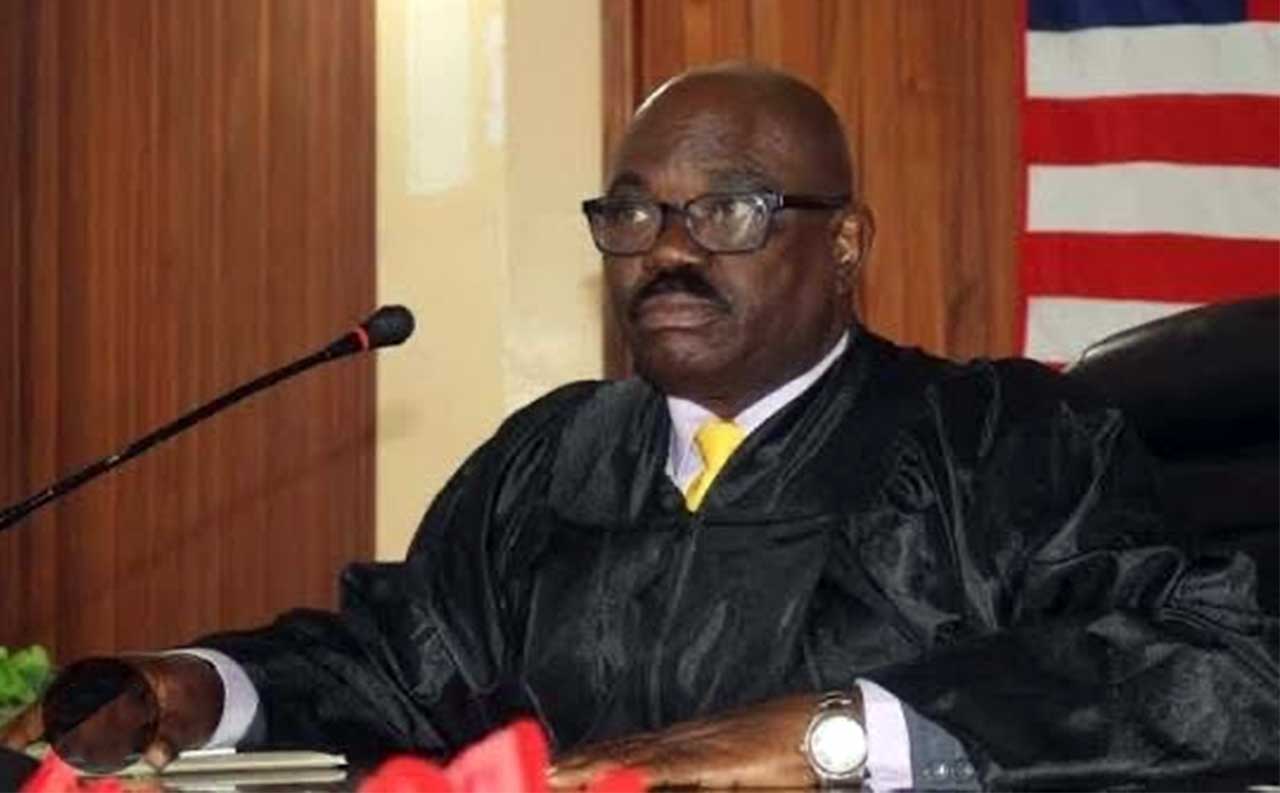
Judge Roosevelt Z. Willie then granted the prosecution’s motion to disband the trial jury, thus ordering a new jury selection process. No date for the jury selection has been announced. Judge Willie’s ruling followed an application by state prosecutors, who alleged juror misconduct and claimed the panel had become “contaminated” and incapable of delivering an impartial verdict.
Immediately after the ruling, former House Speaker J. Fonati Koffa and other defendants, through one of their lawyers, Cllr M. Wilkins Wright, announced that the defense had taken exception and would invoke the controlling statute by filing an appeal before the Supreme Court. Again, Cllr. Wright filed an application requesting that all defendants be released on bail, citing that an approved criminal appearance bond has never been vacated.
According to him, the bond, lodged and approved before the commencement of trial, was later supplemented with human sureties, as required by law, arguing that there was no legal justification for the continued detention of the defendants, particularly in light of the prosecution’s failure to present credible evidence linking them to the alleged arson. Cllr. Wright contended that the prosecution did not produce any credible evidence of arson against the defendants.
He argued that his clients are responsible citizens who have no intention of absconding and have demonstrated willingness to submit to the authority of the court. Defense lawyers emphasized that their clients have constitutional rights to freedom of movement. Some legal practitioners have prescribed that when an entire jury panel is disbanded in Liberian criminal law, the court must order a fresh jury selection process to begin immediately, ensuring a fair and impartial trial. They add that the trial is essentially reset with a new set of jurors.
According to them, the court’s decision to disband a jury panel is typically a measure taken to preserve due process and public confidence in the judiciary, usually in response to a motion alleging juror misconduct or bias that has “contaminated” the panel. However, Cllr. Wright’s request came amid increasing public scrutiny and growing inconsistencies in the prosecution’s case, including disputed forensic claims and video evidence that jurors themselves reportedly questioned during trial proceedings.
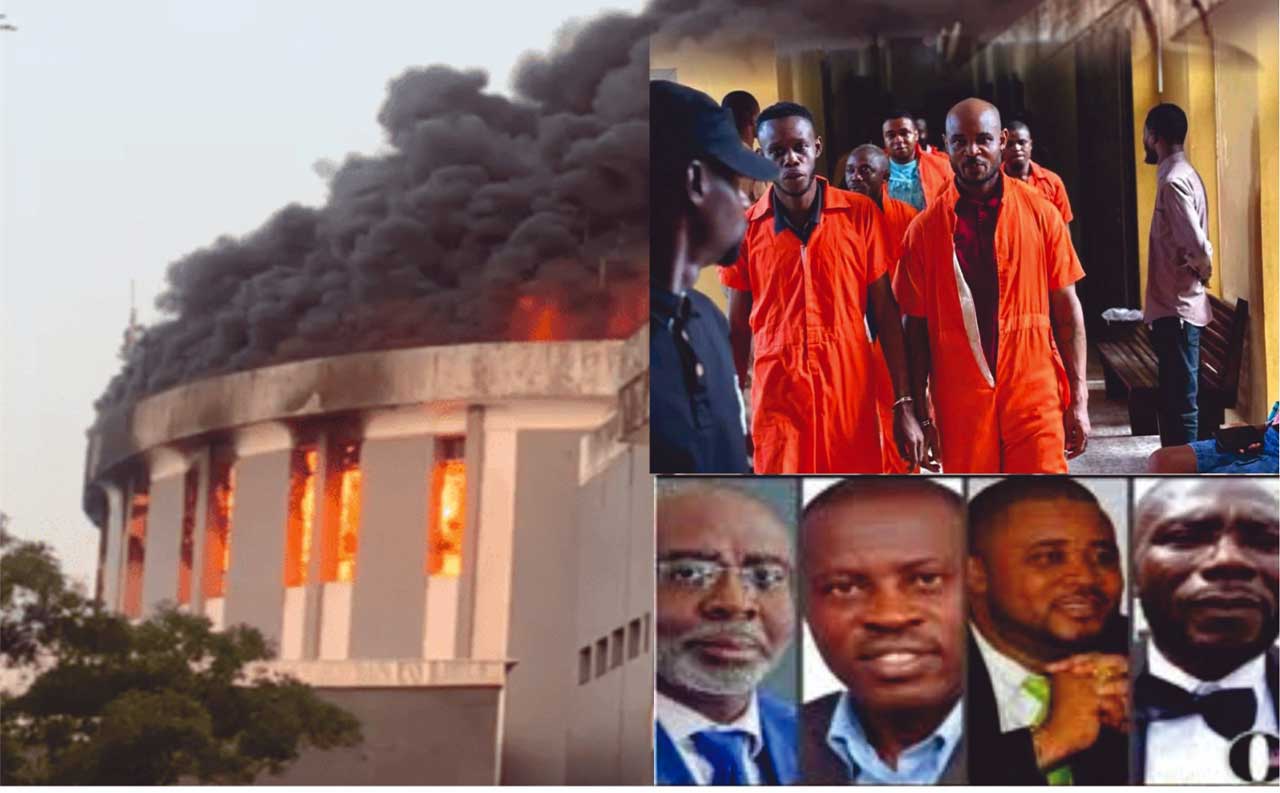
Defense lawyers characterized the prosecution’s move as a tacit admission that the case had collapsed under the weight of contradictory testimony and unreliable evidence. The Arson case has attracted nationwide attention since charges were filed against former Speaker J. Fonati Koffa, along with three other lawmakers and several defendants, over the alleged burning of the Capitol Building in December of 2024. During the trial, the prosecution’s case was marred by conflicting witness accounts, questions surrounding investigative procedures, and credibility concerns involving key pieces of evidence. Cllr. Wright has consistently maintained that the case is politically motivated and lacks facts.
With new proceedings expected and an appeal headed to the Supreme Court, legal luminaries say the prosecution faces a steep challenge should it attempt to restart the case. Based on this, Koffa and others are hopeful due to the latest development, which represents a major legal turning point for them, as one of their lawyers indicated that it reinforces a central claim of the defense, which the state has failed to prove its case beyond a reasonable doubt.
In a counterargument, the State Prosecutors led by Cllr. Augustine Fayiah, however, objected to the defense’s bail application, urging the court to rescind it on grounds of procedure and precedent. He argued that the issue of bail should have been raised at the beginning of the case and warned that granting the request at this stage would violate the principle of stare decisis, potentially resulting in inconsistent rulings.
In Judge Willie’s ruling, he acknowledged and granted the defense’s exception but declined to place the defendants on bail immediately. The Judge referenced an earlier ruling that imposed specific bail conditions, noting that those conditions had not yet been fully satisfied. The Presiding Judge clarified that the court does not reject the possibility of bail, but the earlier ruling must be revisited, and other relevant issues considered before a final determination is made. The defendants are charged with a string of offences, including Arson, Criminal Mischief, Endangering Other People, and Attempted Murder.