The House Committee on Education & Public Administration held a public hearing on two draft bills on Wednesday, February 25, 2026, aimed at strengthening education delivery and administration in Liberia.
The bills under consideration include the Zwedru Multilateral Institute Bill, sponsored by Jeremiah G. Sokan, Representative of Grand Gedeh County Electoral District #1, and the Paynesville School System Bill, sponsored by Priscilla A. Cooper, Representative of Montserrado County Electoral District #5.
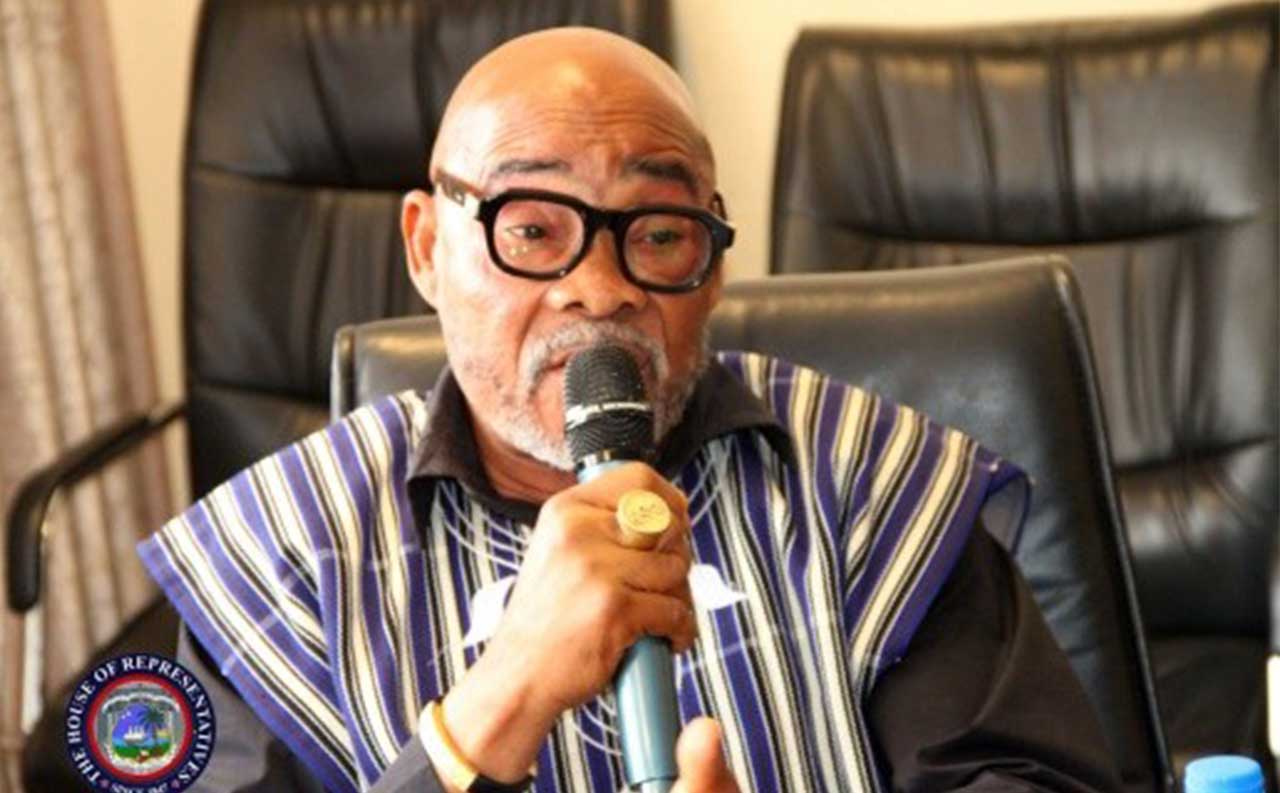
Chairman of the Committee, Nyahn Flomo, welcomed education stakeholders and urged them to provide expert input and objective analysis to enrich the Committee’s deliberations. Both sponsors presented and explained the significance, scope, and anticipated impact of their respective bills.
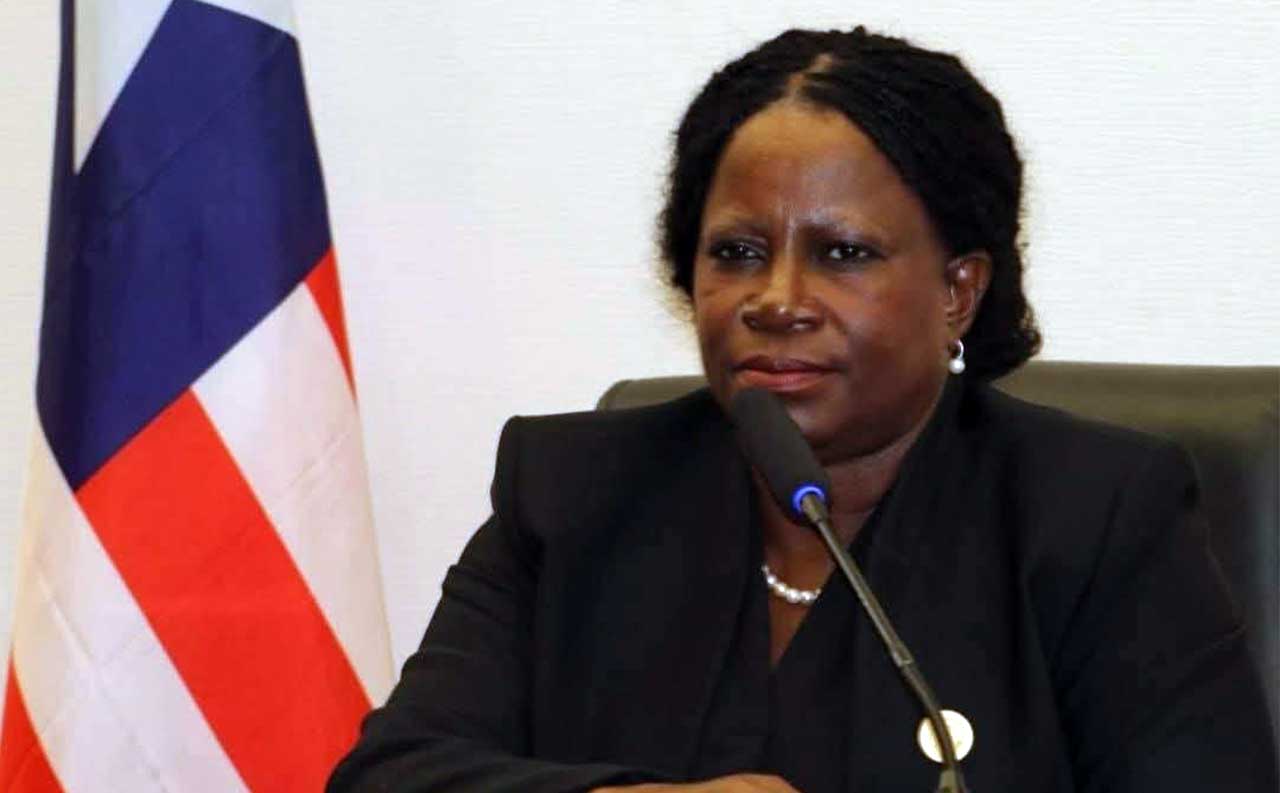
Regarding the Zwedru Multilateral Institute, the Director General of the Commission on Higher Education, Dr. Cecelia Cassell, sought clarification on whether the institution would operate as a post–high school program. Representative Sokan clarified that the Institute is intended to be part of the regular high school system, with technical and vocational skills training integrated into the curriculum. Dr. Cassell recommended further review and an additional hearing to allow for more stakeholder input before the Committee reports to Plenary.
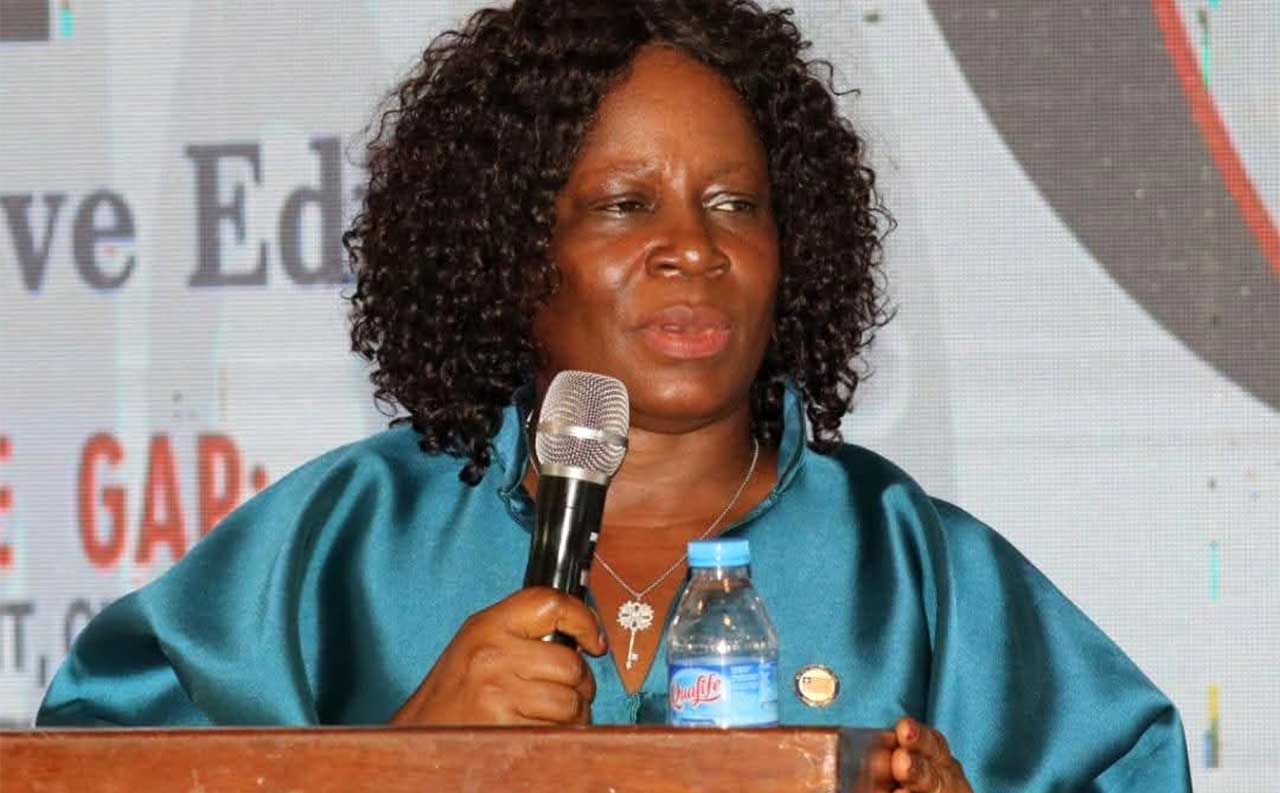
Civil society organizations present at the hearing welcomed the Zwedru Multilateral Institute Bill, noting its potential benefits for young people, particularly in southeastern Liberia. Meanwhile, Representative Cooper outlined that the proposed Paynesville School System legislation seeks to: Establish an administrative structure to manage public primary and secondary schools in Paynesville; create a nine-member Governing Council representing community stakeholders, the Ministry of Education, Paynesville City Corporation, the Ministry of Finance, and the Legislature; improve accountability, responsiveness, and service delivery; and strengthen coordination between local communities and national education authorities.
She emphasized that the proposal does not remove education from national oversight, as the Ministry of Education will retain supervisory authority. Safeguards include annual audits by the General Auditing Commission, adherence to national curriculum standards, confirmation of key appointments by the Minister of Education, and transparent reporting requirements.
The bill further provides for professional leadership, requiring the proposed Superintendent to hold a Master’s degree, possess graduate-level training in educational administration, and demonstrate substantial teaching and administrative experience.
Representative Cooper noted that Paynesville’s rapid population growth has led to increased enrollment pressure, infrastructure challenges, and administrative delays, making a localized system necessary for faster decision-making and stronger community involvement, while remaining aligned with national standards. The Committee commended stakeholders for their contributions and assured that all submissions will be carefully reviewed as part of the legislative process. The House reaffirmed its commitment to collaboration, transparency, and inclusive participation in shaping policies that advance education and national development.