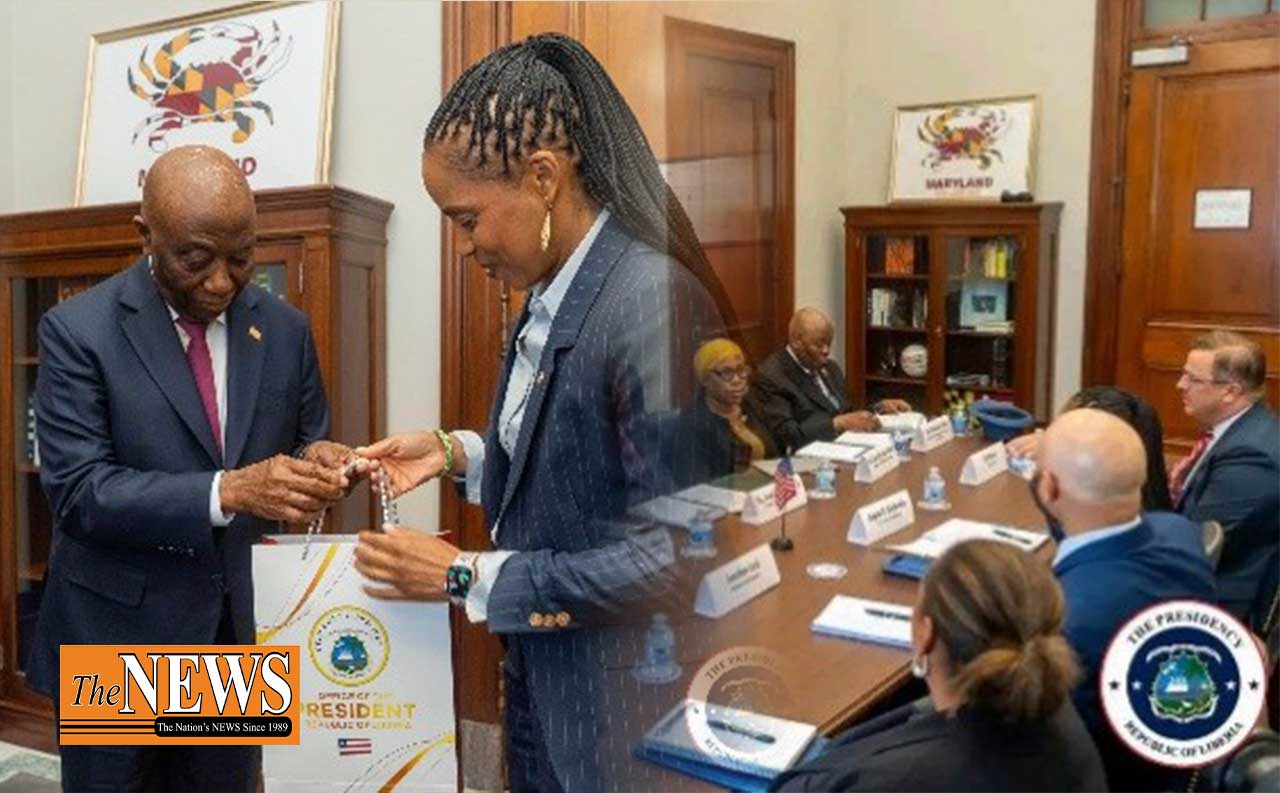
The Executive Governor of the Central Bank of Liberia, Henry F. Saamoi, has assumed the Chairmanship of the Committee of Governors of the West African Monetary Zone (WAMZ), pledging decisive leadership to accelerate regional monetary cooperation and advance the long-anticipated single West African currency.
Governor Saamoi’s ascension to the chair comes at a critical moment for the subregion, as global inflationary pressures, volatile financial markets, and lingering external shocks continue to test the resilience of developing economies. In his acceptance remarks, he described the assignment as both an honor and a responsibility, stressing that coordinated regional action has never been more urgent.
“Unity is no longer optional; it is imperative,” Saamoi declared, invoking the Pan-African vision of Kwame Nkrumah and urging member states to transcend national interests in pursuit of a shared economic destiny. The WAMZ, comprising Liberia, Ghana, Nigeria, Sierra Leone, The Gambia, and Guinea, is a key pillar of the ECOWAS Monetary Cooperation Programme and the broader roadmap toward a single West African currency.
As Chair, Saamoi will steer high-level monetary policy coordination among member central banks at a time when convergence criteria and macroeconomic stability remain central to the region’s integration ambitions. Outlining his priorities, Saamoi pledged to strengthen monetary cooperation and convergence, deepen financial sector stability through sound regulation and innovation, and promote regional integration to unlock trade and investment opportunities.
He also emphasized capacity building to ensure that institutions within the Zone remain agile and prepared for emerging economic and technological challenges. The Liberian central bank chief acknowledged the magnitude of the task ahead, pointing to technological disruptions, cross-border payment inefficiencies, and the pressing need for sustainable development financing.
He called on policymakers to harness digital financial technologies and modernize payment systems to deliver tangible benefits for ordinary citizens across West Africa. “Monetary cooperation must translate into real socioeconomic empowerment,” Saamoi said, stressing that credibility, pragmatism, and forward-looking leadership must define the region’s march toward monetary union.
His leadership, observers say, places Liberia at the forefront of a renewed push for economic integration within the subregion, a move that could shape the trajectory of West Africa’s financial architecture in the years ahead. With unity of purpose and sustained collaboration, Saamoi affirmed, the WAMZ can remain a beacon of regional resilience and progress, even amid global uncertainty.