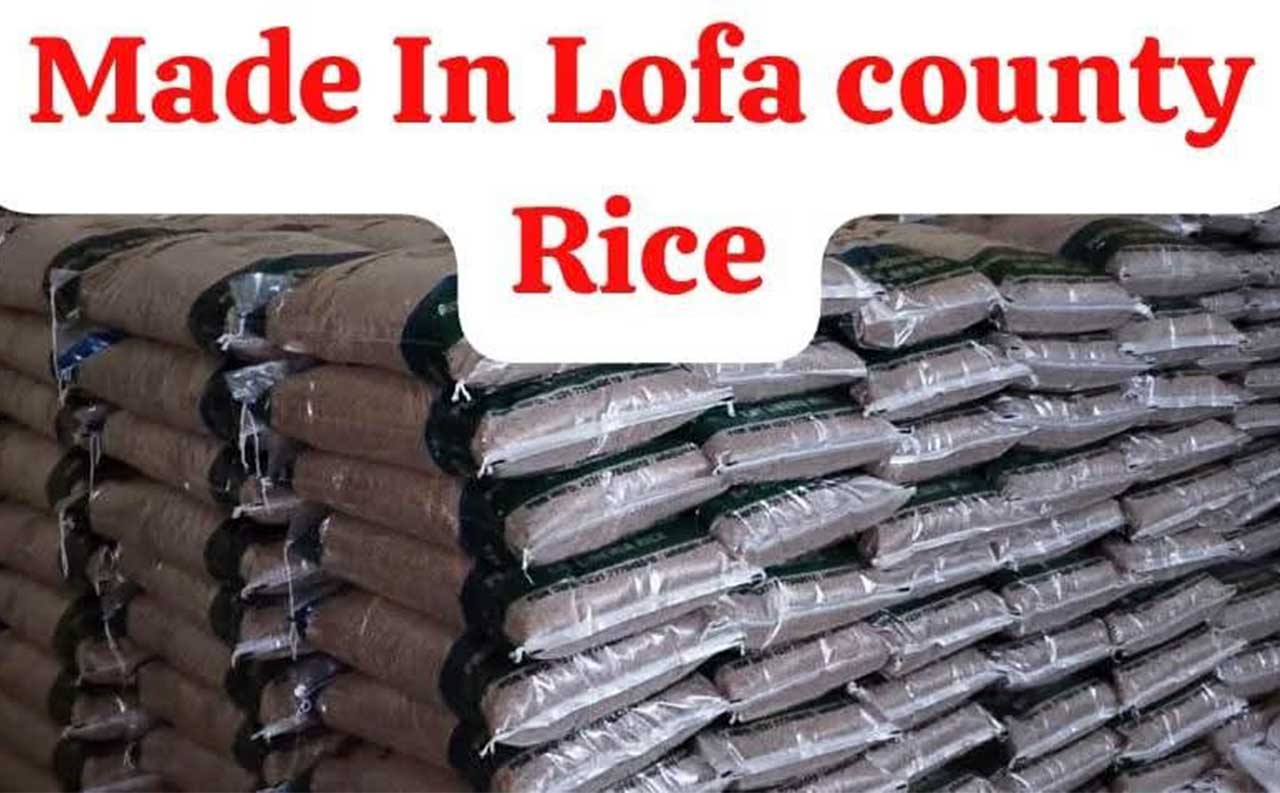
A Liberian rice farmer, Galakpai Kollie of Zorzor District in Lofa County, is calling on government authorities, development partners, and consumers to increase support for local rice production, warning that without deliberate action, Liberia’s farmers will continue to lose ground to imported rice from Asia despite producing a healthier, more sustainable product. Speaking from his farm in northern Lofa, Kollie said Liberian farmers are struggling with limited access to financing, modern tools, storage facilities, and reliable markets, even as they work to supply organically grown rice to local communities.
“We are producing clean, organic rice using traditional methods that protect the land and the people,” Kollie said. “But imported rice dominates the market because it is cheaper, not because it is better.” Imported rice from India and China, currently selling for about US$16.50 per bag, remains the most widely consumed rice in Liberia due to its lower price and consistent availability. However, agricultural experts note that such rice may come with health and quality trade-offs.
According to available studies, imported rice from parts of Asia may contain higher levels of arsenic, a toxic substance linked to cancer and other long-term health risks. In addition, the rice is often highly processed and fortified, which can result in the loss of natural nutrients during milling. To withstand long shipping periods and storage, some imported rice may also contain additives or preservatives.
By contrast, organic rice produced in Liberia, which sells for approximately US$22 per bag, is cultivated without synthetic pesticides, herbicides, or chemical fertilizers. Farmers like Kollie rely on traditional and environmentally friendly practices that reduce chemical exposure and protect soil fertility.
Local organic rice is widely regarded as richer in fiber, nutrients, and antioxidants, supporting better digestion and immune health. Because it is less processed, it retains more of its natural flavor and nutritional value. Beyond health benefits, purchasing Liberian rice directly supports local farmers, strengthens rural livelihoods, and contributes to national economic development.
Kollie emphasized that the price difference between imported and local rice reflects structural disadvantages faced by Liberian farmers, not inefficiency. “If we had access to modern milling machines, irrigation, storage, and transportation, our rice would be more competitive,” he said. “We are not asking for handouts. We are asking for investment.”
He urged the government to strengthen policies that prioritize local agricultural production, including subsidies, protective trade measures, and public awareness campaigns encouraging Liberians to buy locally produced food. Agricultural analysts agree that while imported rice may remain part of Liberia’s food system, strategic support for domestic rice production is essential for food security, public health, and economic resilience.
In summary, organic rice from Liberia is widely considered a healthier option due to its lower toxicity risk and higher nutrient retention. However, experts caution that proper handling, storage, and quality control are essential to maintain its standards and consumer confidence. For farmers like Galakpai Kollie, the issue goes beyond rice alone. “When Liberians choose local rice,” he said, “they are choosing health, jobs, and the future of our country.” As Liberia continues to balance food affordability with long-term development goals, the voices of local farmers are growing louder calling for a shift from dependence on imports toward sustainable, homegrown solutions.