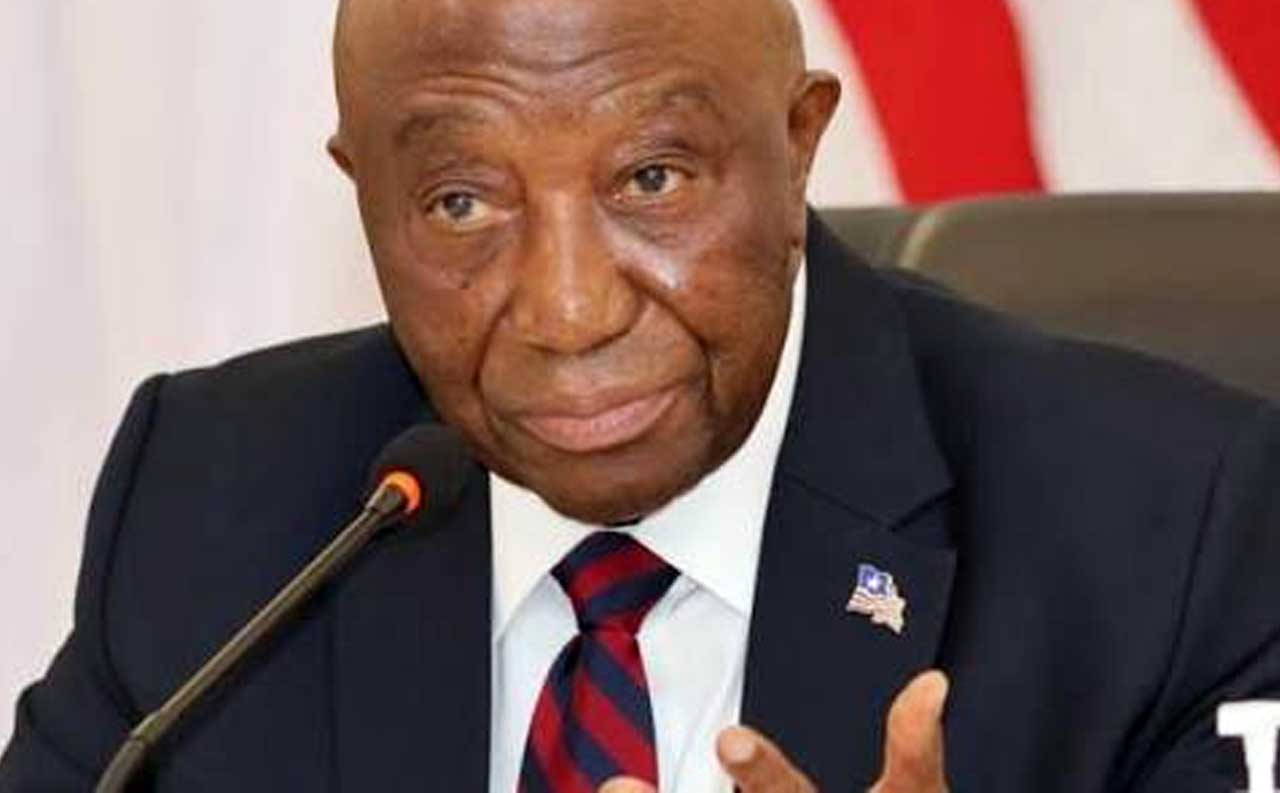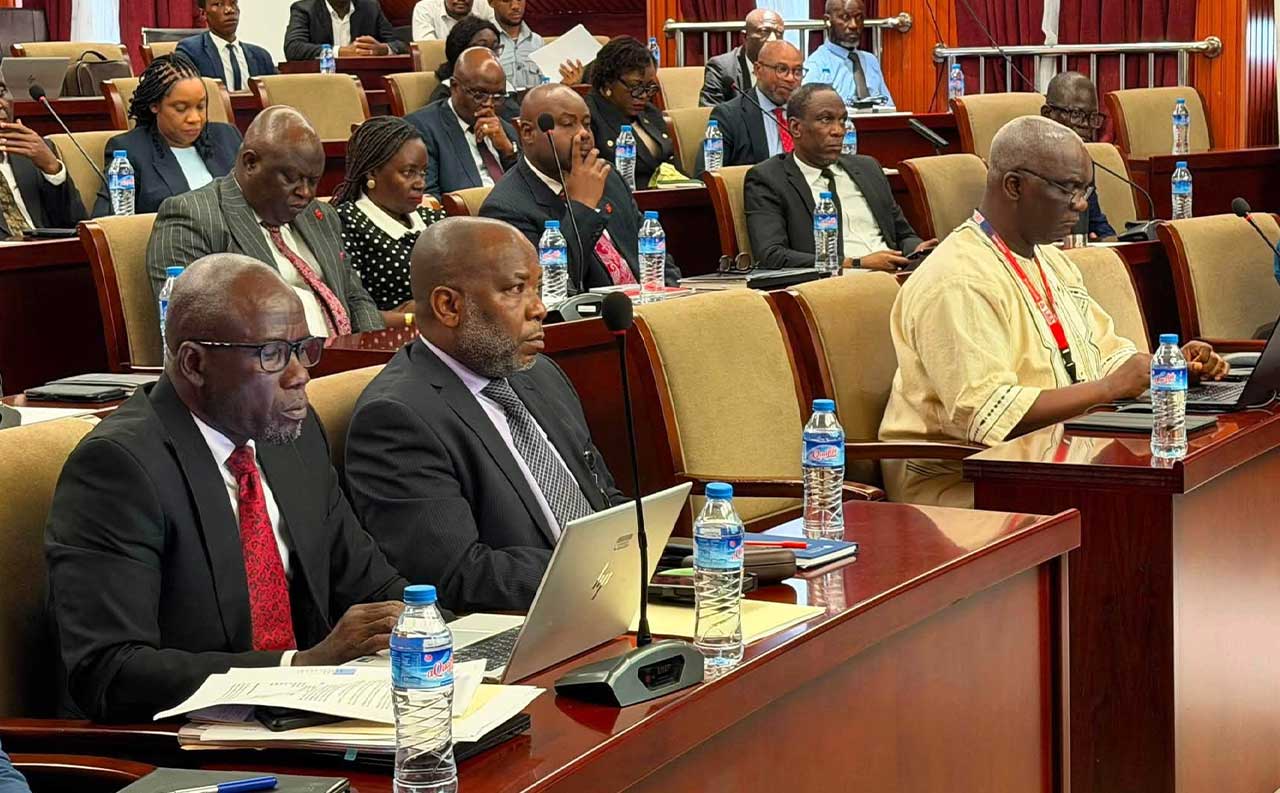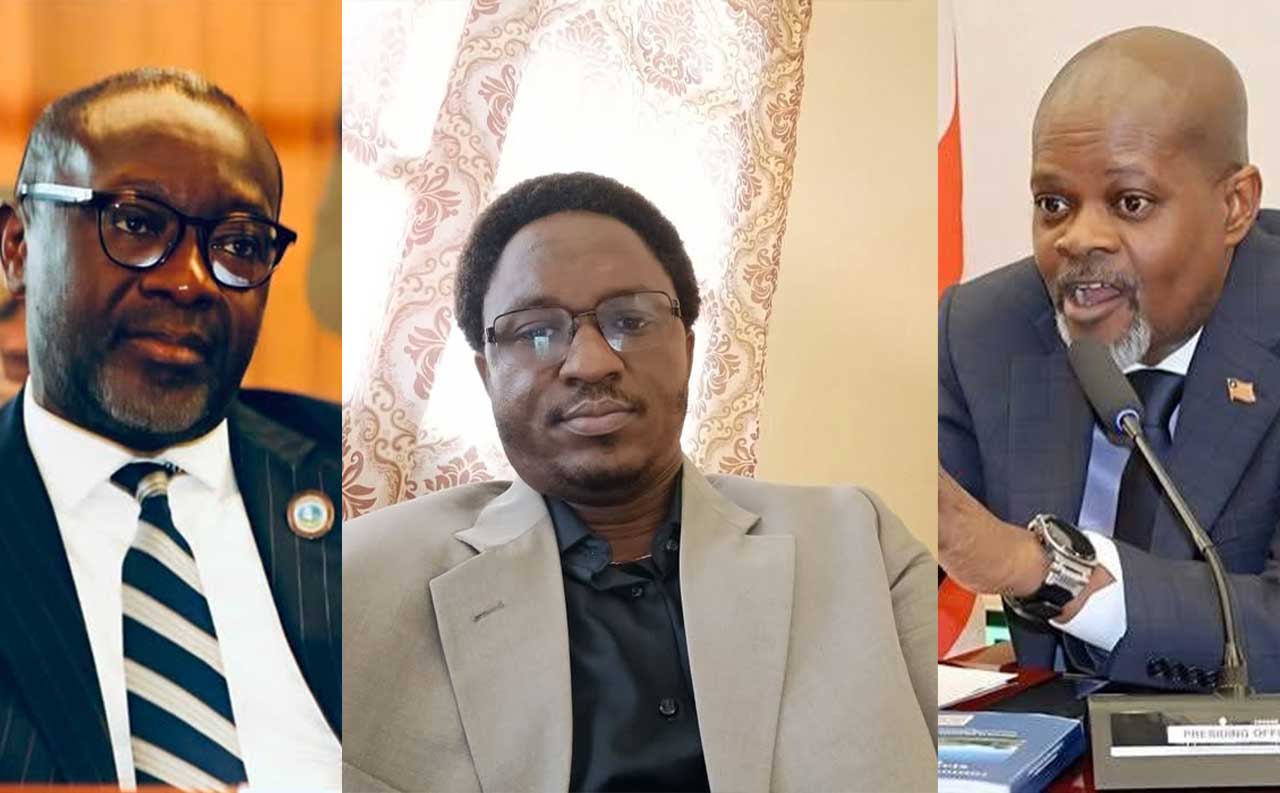
Liberia’s House of Representatives has approved a proposal to increase the number of seats from 73 to 89 by adding 16 new seats. The proposal has now been sent to the Senate for consideration. However, Senator Abraham Darius Dillon, Cllr. Lafayette B Gould, Senator Amara Konneh, and several other Liberians have objected, arguing that the Legislature lacks constitutional authority to assign new seats. Dillon argued that responsibility belongs to the National Elections Commission after a national census and according to the Constitution. The proposal has sparked public debate, with many Liberians questioning whether creating more legislative seats is the right priority as the country continues to face economic challenges.
Senator Dillon specifically raised issues of constitutional breach over the House’s new legislative seats. expressed concern over the House of Representatives’ approval of a proposal relating to the apportionment of additional legislative seats, emphasizing that the Liberian Constitution clearly defines the distinct responsibilities of the Legislature and the National Elections Commission (NEC).
According to Senator Dillon, the Legislature doesn’t have legal authority to determine, assign, or distribute legislative seats among Liberia’s counties. Rather, its constitutional mandate under Article 80(d) of the 1986 Constitution is limited to establishing the population threshold for representation following the conduct of a national population census.
“The Legislature has no authority to set and assign legislative seats by counties,” Senator Dillon stated. “Its role is to establish the population threshold based on the results of a duly conducted national census.”, Senator Dillon said publicly.
The Senator further explained that Article 80(e) of the Constitution vests the responsibility for the apportionment of legislative constituencies and seats exclusively in the National Elections Commission (NEC), stating further that once the Legislature establishes the constitutional population threshold, it is the NEC that must determine the allocation of seats in accordance with census results and the applicable electoral laws.
Joining the argument, Cllr. Lafayette B Gould stated, “We have been silent for a while now, but I think the House of Representatives has just hit our door, so the noise will start now.
Gould added, “Mr. Speaker, you and your colleagues have acted outside of the law. You have no authority under the Constitution to apportion seats. It’s the duty of the National Elections Commission pursuant to Article 80 (e) of the Constitution which states that, “Immediately following a national census and before the next election, the Elections Commission shall reapportion the constituencies in accordance with the new population figures so that every constituency shall have as close to the same population as possible; provided, however, that a constituency must be solely within a county.”
He remember members of the Legislature that their duty under the Constitution is to set a number/threshold as provided for in Article 80 (d) of the Constitution which states that, “Each constituency shall have an approximately equal population of 20,000, or such number of citizens as the legislature shall prescribe in keeping with population growth and movements as revealed by a national census; provided that the total number of electoral constituencies in the Republic shall not exceed one hundred.”
Cllr. Gould noted, “Please do the honorable thing by setting the new number/threshold based on the Census of 2022, or call for a referendum of the Constitution to set a threshold above 20, 000, which will be used going forward-since you failed to set the new number/threshold before the 2023 elections as dictated by the Constitution.”
Cllr. Gould furthered, “We need to stop deliberately violating our Constitution only to satisfy our political desire. It is wrong. We cannot continue to do the same things and expect different results. This country deserves the best from you people.”
For Senator Amara Konneh, he noted, “As a Senator from Gbarpolu County representing the Liberian people, I must register my profound objection to the resolution recently passed by the House of Representatives seeking to expand Liberia’s electoral map from 73 to 89 electoral districts.
He said the Liberian Constitution is clear, adding that Articles 80(d) and 80(e) explicitly specify the respective roles of the Legislature and the National Elections Commission (NEC). After a national census, the Legislature’s role is to set the national population threshold for electoral representation. It then becomes the exclusive constitutional duty of the NEC to reapportion districts based on the census results, ensuring each district has, as nearly as possible, an equal population.
Konneh said the Constitution doesn’t allow the Legislature to decide which counties receive additional districts or to create and assign them through legislation, adding, “This is solely the NEC’s responsibility. Any effort by the House to bypass the NEC and unilaterally create districts is a constitutional overreach, undermining the electoral body’s independence and risking political interference in a process meant for an independent institution.”
“This is not about opposing the creation of additional electoral districts. Where population growth justifies greater representation, the Constitution provides a clear and lawful mechanism to achieve it. The issue is whether we are prepared to respect the constitutional process and the rule of law,” Konneh added.
He said, “Should this resolution reach the Liberian Senate, I will work with my colleagues to ensure that any legislative action fully conforms to the Constitution. We must reject any framework that usurps the NEC’s constitutional mandate and instead allow it to perform its duties independently, fairly, and in accordance with the supreme law of the Republic.” Concluding, Konneh added that the Constitution is not a suggestion, saying, “It is the supreme law of the land, and every branch of government must operate within the limits it prescribes.”