Former Liberian President Ellen Johnson Sirleaf has thrown her full support behind the establishment of both the Office for the Establishment of the War and Economic Crimes Court for Liberia (OWECC-L)-led War and Economic Crimes Court process and a proposed Specialized National Anti-Corruption Court, urging President Joseph Nyuma Boakai to treat the proposal with the seriousness it deserves.
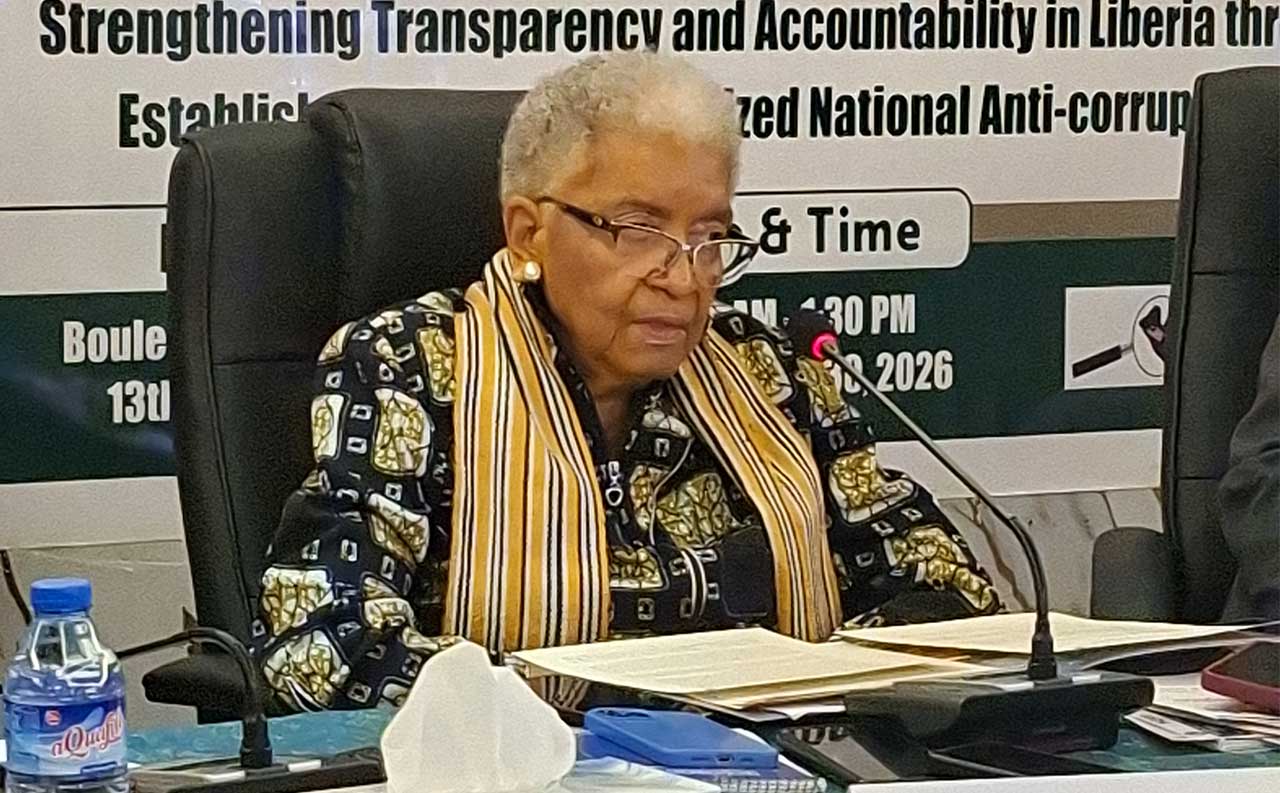
Delivering the keynote address on Tuesday, June 30, 2026, during a high-level dialogue organized by the Center for Transparency and Accountability in Liberia (CENTAL) at the Boulevard Palace Hotel in Sinkor, Monrovia, Sirleaf reflected on Liberia’s anti-corruption journey, acknowledging both the progress achieved during her administration and the shortcomings that continue to undermine accountability.
Speaking on the theme, “Strengthening Transparency and Accountability Through the Establishment of a Specialized National Anti-Corruption Court,” Sirleaf said corruption had become deeply entrenched in Liberia before she assumed office in 2006.
“When I took the Presidential Oath of Office in January 2006, Liberia was a nation where corruption was largely the operating system,” she declared. “Public office had become, for too many, a license for personal extraction rather than an obligation to serve.”
The former President recounted the reforms undertaken during her administration, including strengthening the independence of the General Auditing Commission, empowering the Governance Commission, establishing the Internal Audit Agency, supporting the Public Procurement and Concessions Commission, creating the Financial Intelligence Unit now the Financial Intelligence Agency and establishing the Liberia Anti-Corruption Commission (LACC) in 2008.
She noted that while these institutions strengthened oversight and investigations, the absence of an effective judicial mechanism has prevented many corruption cases from reaching successful prosecution.
“We built institutions, but we did not sufficiently change attitudes,” she admitted. “An Anti-Corruption Commission that investigates but cannot see prosecutions through to conviction is a commission that diagnoses the disease but fails to administer the cure.”
Sirleaf argued that Liberia now requires a specialized anti-corruption court capable of handling corruption-related cases efficiently, professionally, and without undue political interference. According to her, many corruption cases lose momentum after reaching the regular court system because they compete with numerous civil and criminal matters, resulting in prolonged delays and declining public confidence.
“The result is a credibility crisis,” she warned. “Citizens come to believe that corruption is investigated but never punished, and that belief itself becomes corruption’s victory.” Turning to transitional justice, Sirleaf expressed strong support for the ongoing efforts to establish the War and Economic Crimes Court, describing it as an important step toward addressing atrocities committed during Liberia’s civil conflict and the economic crimes associated with that period.
She commended those leading the process for their perseverance despite political resistance and stressed the need to protect the institution from political interference. “We hope they are led by apolitical leaders, insulated from political interference, and adequately resourced,” she said.
The former President emphasized that accountability cannot rest on one institution alone but requires an entire system in which investigators, prosecutors, auditors, and the judiciary work together effectively.
Madam Sirleaf described a specialized anti-corruption court as the missing component needed to complete Liberia’s accountability framework by ensuring that evidence gathered through investigations leads to timely, fair, and credible judicial outcomes.
Calling for decisive leadership, the former President urged President Boakai to give urgent attention to the establishment of the Specialized National Anti-Corruption Court.
“We therefore call on the President to treat the request for the Specialized Court with the seriousness it deserves and to take the necessary corrective executive actions on that and the several scandals that plague our society,” she declared.
She also called on the judiciary to strengthen public confidence by improving its handling of corruption-related cases, stressing that justice delayed weakens democratic governance and national development.
Sirleaf concluded by reminding participants that building an effective accountability system is as vital to Liberia’s future as investing in roads, electricity, education, and other critical infrastructure, noting that transparency and the rule of law remain indispensable pillars for sustainable economic growth and democratic governance.
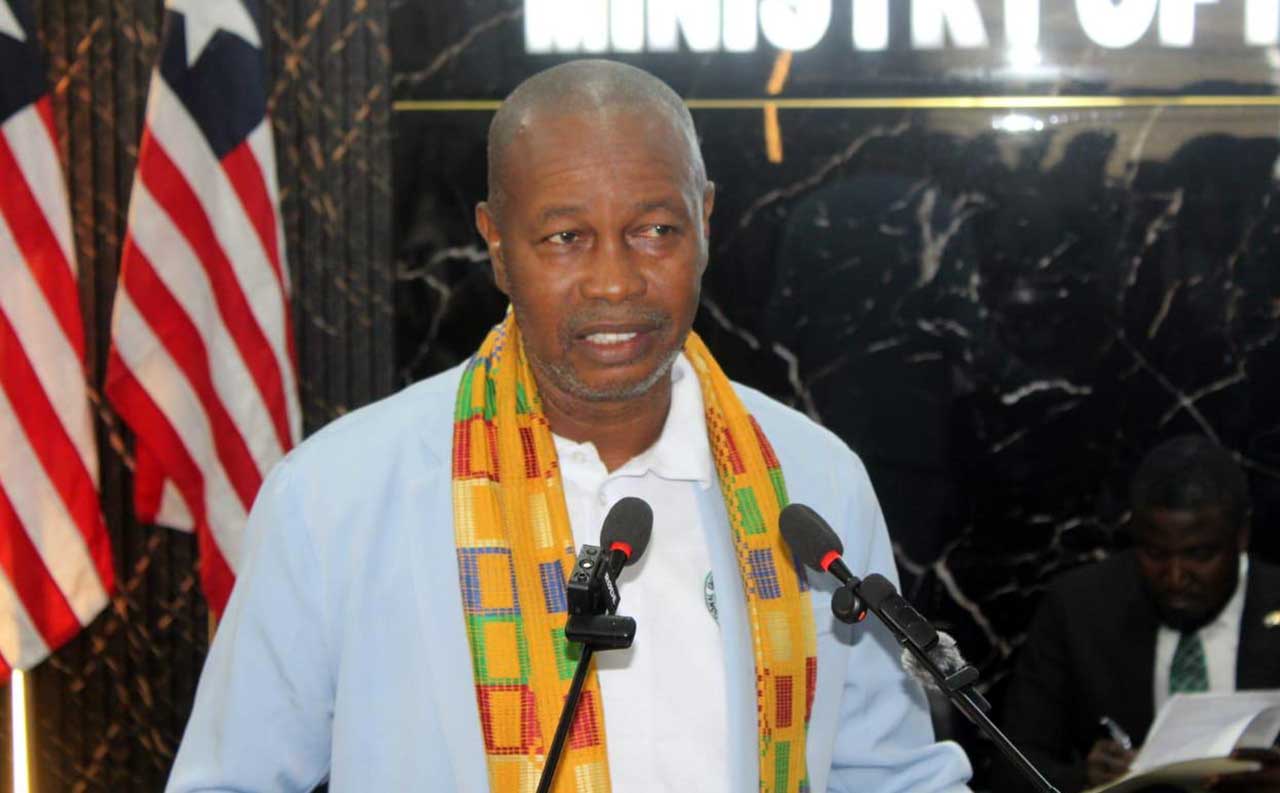
Also speaking at the dialogue, the Executive Director of the Office for the Establishment of the War and Economic Crimes Court for Liberia (OWECC-L), Cllr. Dr. Jallah A. Barbu, reaffirmed his institution’s unwavering commitment to advancing accountability and transitional justice in Liberia.
Dr. Barbu said OWECC-L remains fully committed to working with all stakeholders in an open, transparent, and inclusive manner as it carries out its mandate to establish the War and Economic Crimes Court.
He emphasized that the office remains open to constructive engagement with government institutions, civil society organizations, development partners, the media, victims’ groups, and the Liberian public to ensure that the court is established on a foundation of credibility, public trust, and national ownership.
Dr. Barbu stressed that accountability is essential to strengthening the rule of law, ending the culture of impunity, and promoting lasting peace and reconciliation, adding that OWECC-L will continue to pursue its mandate with professionalism, integrity, and independence.
The CENTAL dialogue brought together senior government officials, members of the judiciary, civil society organizations, development partners, anti-corruption advocates, and representatives of accountability institutions to discuss practical measures aimed at strengthening Liberia’s fight against corruption through judicial reform.