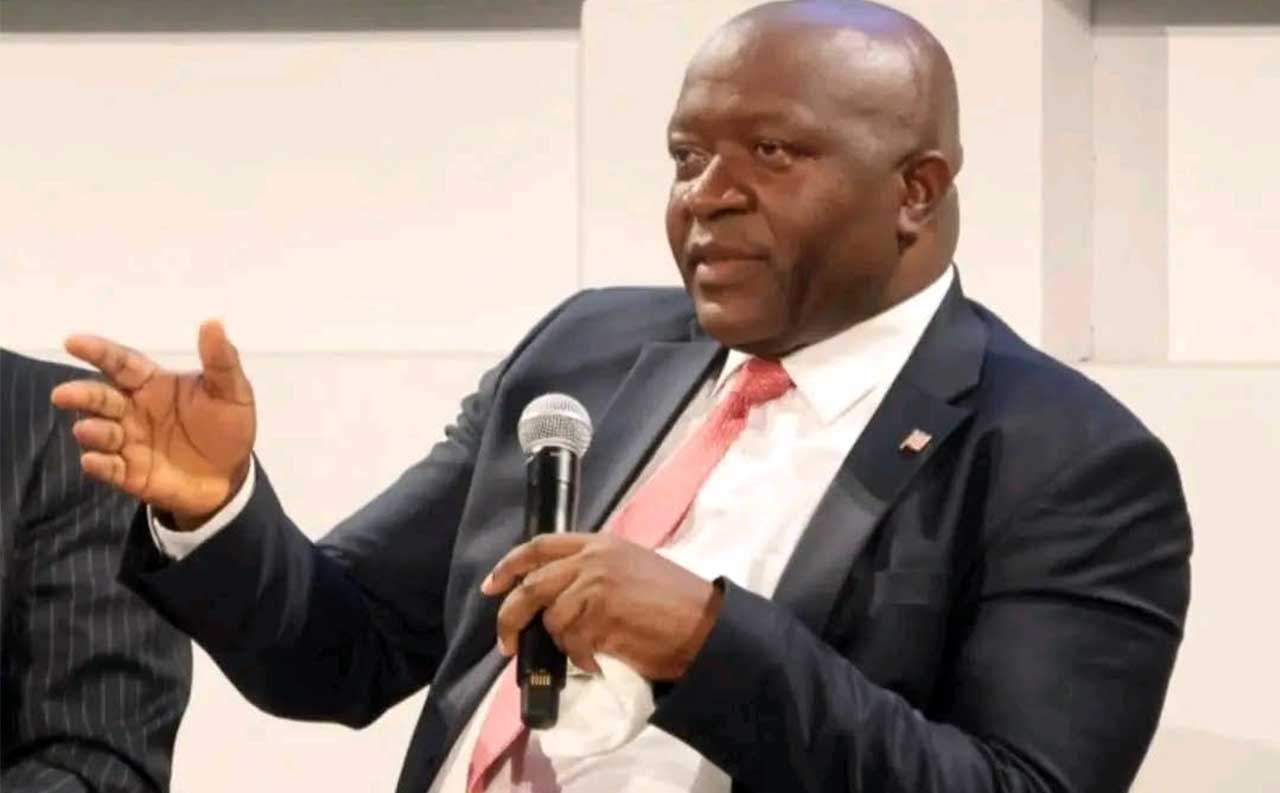
Liberia’s Minister of Finance and Development Planning, Augustine Kpehe Ngafuan, has highlighted the country’s growing economic resilience despite persistent global and domestic challenges.
Speaking at the launch of the 2026 Macroeconomic Performance and Outlook Report by the African Development Bank in Abidjan, Ngafuan noted that Liberia has continued to maintain stability and growth even in the face of fiscal shocks and external uncertainties.
According to an MFDP release, the AfDB report indicates that Africa remains one of the fastest-growing regions globally, with 12 of the world’s 20 fastest-growing economies projected to be on the continent in 2026. It further revealed that 32 of 54 African countries recorded improved economic performance in 2025, with 22 nations, including Liberia, posting growth rates above five percent.
Participating as a panelist alongside senior policymakers such as Retselisitsoe Adelaide Matlanyane, Adama Coulibaly, Mthuli Ncube, and Aminata Touré, Ngafuan emphasized Liberia’s recovery journey from a post-war debt crisis that once pushed its debt-to-GDP ratio above 700 percent.
He noted that sustained reforms and international partnerships helped secure nearly 90 percent debt relief, setting the stage for macroeconomic stability. The minister also reflected on major health crises, including the Ebola epidemic, which claimed over 5,000 lives.
He said the experience strengthened Liberia’s institutions, enabling a more effective response to the COVID-19 pandemic. Addressing recent fiscal challenges, Ngafuan pointed to the withdrawal of more than $300 million in external financing following the exit of a major donor.
Despite this, he said Liberia maintained stability through improved domestic revenue mobilization, driven by reforms in tax administration, digitization, and transparency. “The sky did not collapse on our heads. He also noted that the country achieved its highest-ever domestic revenue collection and recorded a modest budget surplus.
Ngafuan stressed that ongoing reforms, particularly in the mining sector, are aimed at increasing transparency and ensuring that natural resource wealth benefits citizens. He acknowledged that while mining significantly contributed to GDP growth, revenues have historically lagged behind earnings by multinational companies.
Liberia’s economic outlook remains positive, with growth rising from 5.1 percent last year to a projected 5.6 percent in 2026. Inflation has also declined significantly, averaging 8.2 percent in 2025 and dropping to around 3 percent in early 2026.
However, the minister warned of renewed inflationary pressures driven by rising global fuel and transportation costs, which are already impacting vulnerable households. He said the government is implementing targeted measures, including social protection programs and support for the energy sector, to cushion the effects.
Ngafuan reaffirmed Liberia’s commitment to sustained reforms and resilience, while calling on development partners, including the AfDB, to strengthen crisis response mechanisms to support countries facing short-term economic shocks.